
Home
Shop
Wishlist0
ONE DAY. ONE EXCLUSIVE DISCOUNT. 25% DISCOUNT. EVERY TUESDAY.
Why Does My Vape Leak In Hot Weather

Why Does My Vape Leak In Hot Weather?

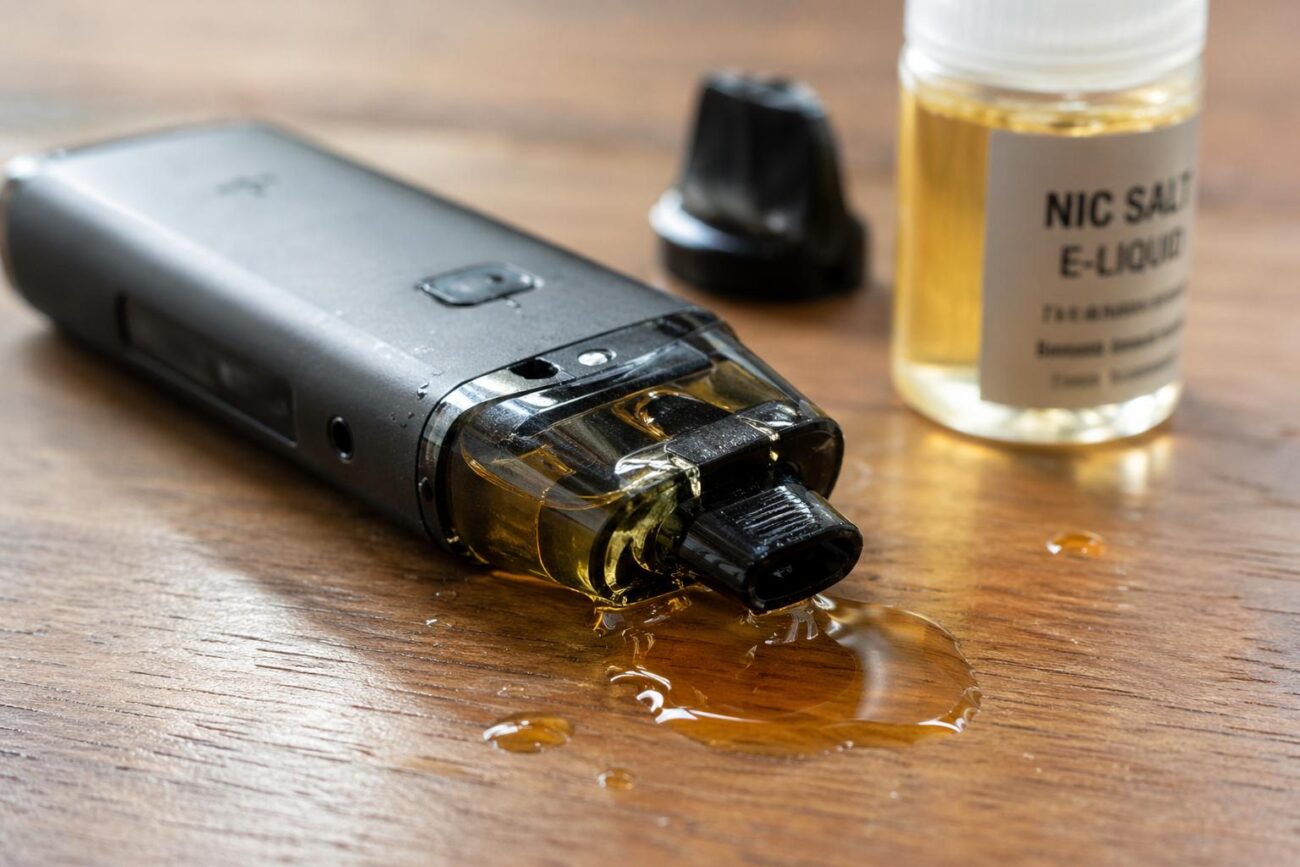
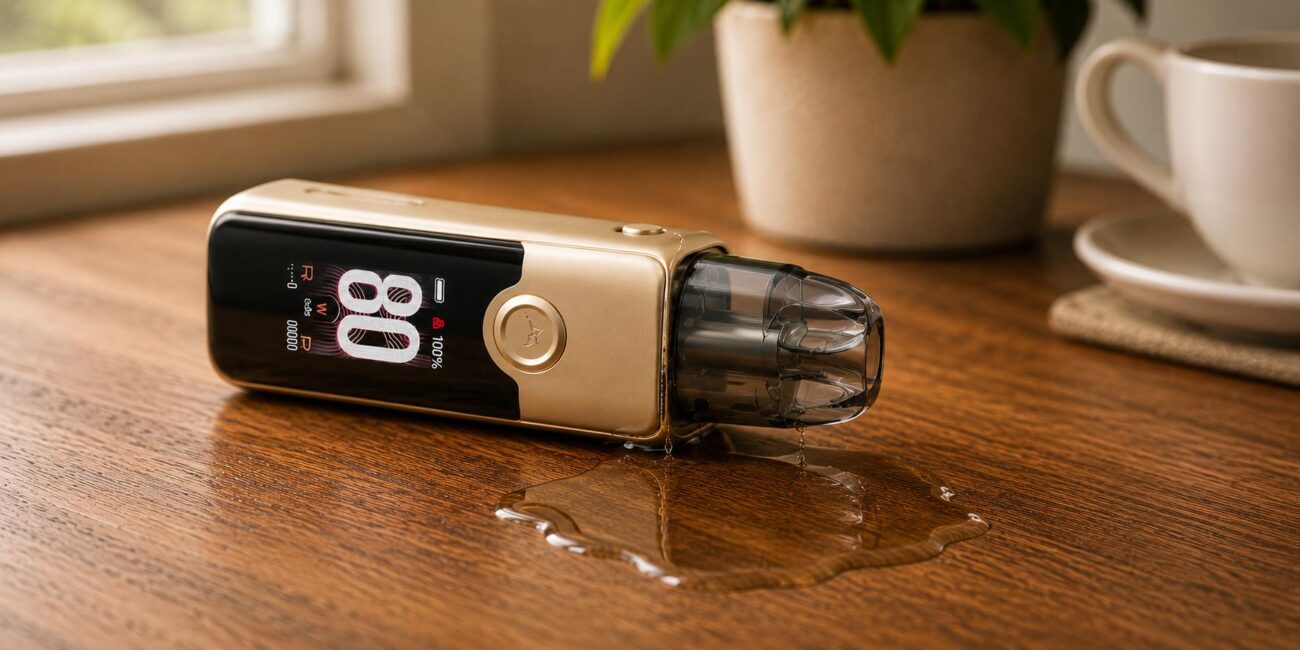
Why does my vape leak in hot weather? Heat makes e-liquid thinner and can increase pressure inside the device.

As temperatures rise, liquid may escape through weak seals, airflow openings, or damaged components.

Fortunately, proper storage and maintenance can help prevent these problems.

This guide explains why heat causes vape leaks and how to protect your device during warmer weather.

Why Does My Vape Leak In Hot Weather? The Short Answer

Hot weather affects both the e-liquid and the air trapped inside your vape.

As temperatures increase, e-liquid becomes less viscous, meaning it flows more easily.

Meanwhile, expanding air may increase pressure inside certain tanks and pods.

Consequently, liquid can escape through openings that normally remain dry.

However, excessive leaking may also indicate worn seals or damaged components.

How Heat Makes Vape Juice Thinner

E-liquid contains propylene glycol (PG) and vegetable glycerin (VG), which influence its thickness.

When temperatures rise, these liquids generally become less viscous.

According to the USGS, warmer liquids typically flow more easily than cooler liquids.

Therefore, hot weather may allow e-liquid to move through small gaps or airflow channels.

Additionally, thinner liquid can worsen existing problems with poorly fitted coils or damaged seals.

However, temperature changes alone shouldn’t cause a properly functioning device to leak excessively.

Why Does My Vape Leak In Hot Weather

Why Does My Vape Leak In Hot Weather Inside a Car?

Cars can become extremely hot when parked in direct sunlight.

Consequently, leaving your vape inside a vehicle exposes it to temperatures beyond normal storage conditions.

Heat may thin the e-liquid and increase pressure inside its reservoir.

As a result, liquid may escape through weakened seals or airflow openings.

The FDA warns against leaving vape devices inside hot vehicles or direct sunlight.

Therefore, never leave your vape in a parked car during hot weather.

Air Pressure Changes Can Cause Leaks

Many vape tanks and pods rely on seals and pressure differences to keep e-liquid contained.

When temperatures rise, trapped air can expand inside the reservoir.

Consequently, increasing pressure may push liquid toward the airflow system.

Overfilled tanks can make this problem worse because they contain less space for expanding air.

Therefore, follow the manufacturer’s filling instructions and avoid exceeding the recommended fill level.

Why Disposable Vapes Leak During Hot Weather

Disposable vapes contain sealed reservoirs that users generally cannot refill or repair.

However, excessive heat can still affect their internal liquid and components.

For example, thinner e-liquid may escape through a damaged seal or airflow opening.

Additionally, prolonged heat exposure can create battery safety concerns.

Therefore, avoid leaving disposable vapes in hot pockets, direct sunlight, or parked vehicles.

If a disposable develops persistent leaks, stop using it rather than attempting repairs.

Why Does My Vape Leak In Hot Weather

Why Does My Vape Leak In Hot Weather From the Mouthpiece?

Liquid escaping through the mouthpiece may indicate excess e-liquid inside the airflow channel.

During hot weather, thinner liquid can move more easily through poorly sealed openings.

Meanwhile, storing your vape sideways may allow liquid to collect near the mouthpiece.

Consequently, you might notice droplets when picking up your device.

However, persistent dripping suggests a problem that requires inspection.

How to Stop Your Vape From Leaking in Hot Weather

Follow these simple precautions to reduce heat-related leaks:

  • Store your vape in a cool, dry location.
  • Keep it away from direct sunlight.
  • Never leave it inside a hot vehicle.
  • Store it upright when the manufacturer recommends doing so.
  • Avoid overfilling refillable tanks and pods.
  • Check accessible seals for damage.
  • Use e-liquid compatible with your device.
  • Avoid charging your vape in extreme temperatures.

Additionally, allow an overheated device to cool naturally before handling it further.

Never place your vape inside a refrigerator or freezer to cool it quickly.

When Heat-Related Vape Leaks Become Dangerous

Occasional moisture around a mouthpiece differs from significant leakage near electrical components.

If e-liquid reaches the charging port, stop using and charging the device.

Likewise, unusual heat, swelling, or visible battery damage requires immediate attention.

The FDA’s battery safety guidance recommends protecting vaping devices from extreme temperatures.

Therefore, discontinue use if your device shows signs of overheating or serious damage.

Frequently Asked Questions

Can hot weather make vape juice leak?

Yes. Higher temperatures can reduce e-liquid viscosity and contribute to leakage through weak seals or airflow openings.

Is it safe to leave my vape in a hot car?

No. Excessive heat can affect the device’s reservoir and increase battery safety risks.

Why does my disposable vape leak in summer?

Heat may worsen existing seal problems or allow thinner e-liquid to escape through airflow openings.

Can I still use a vape that leaked from heat?

Avoid using it if leakage persists, electrical components become wet, or the device shows signs of damage.

If you’re still wondering why does my vape leak in hot weather, start by checking your storage conditions.

Persistent leaks may indicate damaged components that require replacement.

For additional assistance, contact our team for product-related guidance.

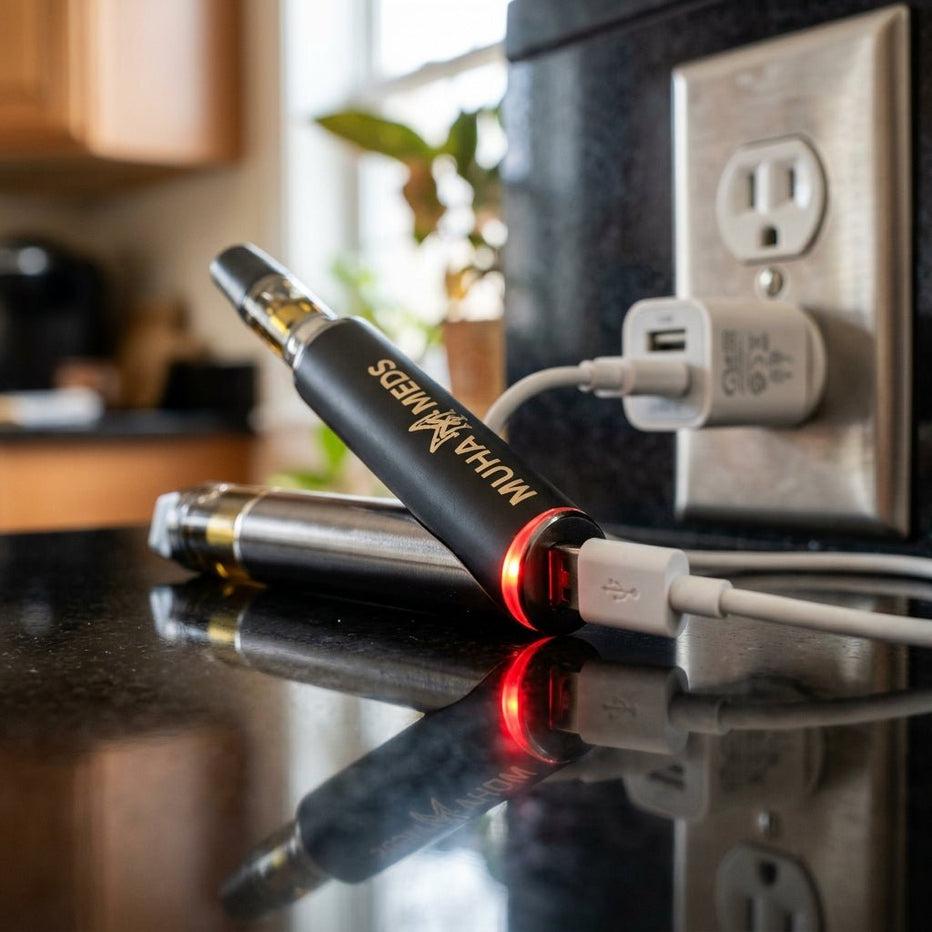
Why Does My Vape Leak After Charging

Why Does My Vape Leak After Charging?

Why does my vape leak after charging? Heat, pressure changes, damaged seals, or excess e-liquid may cause unexpected leakage.

Charging can make existing problems more noticeable, especially when the device becomes unusually warm.

Fortunately, understanding these causes helps you identify the problem and prevent further leaks.

This guide explains why your vape leaks after charging and what you can do about it.

Why Does My Vape Leak After Charging? The Short Answer

Charging generates some heat, which can affect the liquid and pressure inside certain vape devices.

As temperatures rise, e-liquid may become thinner and escape through weak seals or airflow openings.

However, charging alone shouldn’t make a properly functioning vape leak.

Usually, an existing problem with the reservoir, seals, or internal components contributes to the leakage.

How Charging Heat Affects Your Vape

Rechargeable vape batteries generate some heat during charging.

Consequently, the surrounding components may become warmer, particularly when charging conditions are unsuitable.

Higher temperatures can reduce e-liquid viscosity, allowing liquid to move more easily through small openings.

Additionally, temperature changes may affect pressure inside the reservoir.

Why Does My Vape Leak After Charging

According to the FDA’s battery safety guidance, users should avoid charging vapes in extreme temperatures.

Therefore, always charge your device in a cool, suitable environment.

Why Does My Vape Leak After Charging From the Mouthpiece?

Liquid around the mouthpiece often comes from condensation or excess e-liquid entering the airflow channel.

When vapor cools, small droplets can collect inside the mouthpiece.

Meanwhile, damaged seals or improper storage may allow additional liquid to reach the same area.

Consequently, you might notice leakage immediately after disconnecting your charger.

However, persistent dripping suggests a problem beyond ordinary condensation.

Damaged Seals and Loose Components

Many refillable vapes use rubber seals and O-rings to keep e-liquid inside the reservoir.

Over time, these components can wear out, loosen, or become damaged.

As a result, liquid may escape when temperature or pressure changes occur.

Similarly, a poorly fitted coil or cracked pod can create unwanted openings.

Therefore, inspect accessible components and replace damaged parts according to the manufacturer’s instructions.

Why Disposable Vapes Leak After Charging

Rechargeable disposable vapes contain sealed reservoirs that users generally cannot repair.

If a disposable leaks after charging, internal damage or a defective seal may be responsible.

Additionally, excessive heat can make an existing problem more noticeable.

However, the exact cause depends on the device’s construction.

Never attempt to open or repair a leaking disposable vape.

Instead, stop using it and contact the manufacturer if the problem continues.

Why Does My Vape Leak After Charging Overnight?

Overnight leakage may result from prolonged sideways storage, damaged seals, or changing temperatures.

For example, liquid can gradually escape through a poorly sealed airflow opening.

However, leaving your vape charging overnight also creates unnecessary battery safety concerns.

The FDA recommends avoiding overnight or unattended charging.

Therefore, disconnect your device after charging finishes and store it according to the manufacturer’s instructions.

Why Does My Vape Leak After Charging

How to Stop Your Vape From Leaking After Charging

Follow these simple precautions to reduce leakage:

  • Charge your vape on a clean, flat surface.
  • Avoid direct sunlight and excessive heat.
  • Use manufacturer-recommended charging equipment.
  • Keep your device upright when recommended.
  • Check refillable tanks for damaged seals.
  • Avoid overfilling refillable pods and tanks.
  • Never charge a device with liquid inside its charging port.
  • Replace damaged components when appropriate.

Additionally, allow your device to cool naturally if it becomes warmer than expected.

If leakage continues, stop charging and contact the manufacturer.

Can a Leaking Vape Damage the Battery?

Yes. E-liquid entering electrical connections may interfere with normal operation and create safety hazards.

The FDA identifies leaking reservoirs and overheating batteries as reportable product problems.

Therefore, never charge a device with visible liquid inside its charging port.

Also, avoid touching spilled nicotine-containing e-liquid.

The FDA recommends cleaning spills immediately and keeping e-liquids away from children and pets.

If your vape becomes excessively hot, swollen, or damaged, discontinue use immediately.

Frequently Asked Questions

Is it normal for a vape to leak after charging?

No. Persistent leakage usually indicates damaged seals, excess liquid, or another device problem.

Does charging make vape juice thinner?

Heat can reduce e-liquid viscosity, although normal charging should not automatically cause leakage.

Why does my disposable vape leak after charging?

Possible causes include internal damage, defective seals, or temperature changes affecting an existing weakness.

Can I charge my vape after it leaks?

Avoid charging if liquid has reached the charging port or electrical components.

Should I replace a vape that keeps leaking?

Yes, if the manufacturer cannot resolve persistent leakage safely.

If you’re still wondering why does my vape leak after charging, inspect the device before attempting another charge.

Persistent leaks may indicate damage that requires professional assistance or replacement.

For further guidance, contact our team for help with product-related questions.

Why Does My Vape Leak When I Lay It Down?

Why Does My Vape Leak When I Lay It Down?

Why does my vape leak when I lay it down? Usually, gravity and air pressure work against the device’s seals.

Most leaks come from sideways storage, not a defective device.

This guide explains why it happens and how to stop it.

If your device already leaks badly, our shop has replacements ready.

Why Does My Vape Leak When I Lay It Down? The Short Answer

When you lay a vape down, liquid shifts toward openings that gravity normally keeps dry.

As a result, e-liquid can creep into the airflow channel and seep out.

Fortunately, storing the device upright prevents most of these leaks.

Why Does My Vape Leak When I Lay It Down?

How a Vape Holds E-Liquid in Place

Your device keeps liquid in place with a wick, seals, and air pressure.

The wick is cotton, a porous material full of tiny spaces.

According to the USGS, capillary action moves liquid through the tiny spaces of porous materials. amser

However, the USGS notes that capillary action pulls liquid only a short distance before gravity takes over. usgs

Therefore, seals and air pressure must do the rest of the work.

Why a Vape Leaks When Lying Sideways: Gravity and the Wick

Upright, gravity pulls liquid toward the base while seals keep it in the reservoir.

Lying sideways changes that. Now liquid shifts toward the airflow openings instead.

Meanwhile, the wick soaks up more liquid than the coil can vaporize.

Consequently, the extra liquid pools in the airflow channel and leaks out.

Air Gets In and Breaks the Seal

Many tanks and pods rely on a partial vacuum to hold liquid back.

Sideways, some wick openings may sit above the liquid. Air then enters the reservoir.

As a result, the vacuum breaks, and liquid flows more freely.

That is why a device can look fine at night and sit in a puddle by morning.

Why Does My Vape Leak When I Lay It Down: Thin E-Liquid Makes Sideways Leaks Worse

Thin, high-PG e-liquid flows through wick openings more easily than thick, high-VG liquid.

Therefore, a thin liquid leaks sooner when you lay the device down.

Matching thickness to your coil helps. For example, large wicking ports often suit thicker liquid.

Heat and Overfilling Add to the Problem

Heat thins e-liquid and expands the air trapped inside the reservoir.

As a result, a warm pocket or hot car makes sideways leaks far more likely.

Overfilling removes the air gap that regulates pressure.

So, always leave a small air space when you fill a tank or pod.

Why Does My Vape Leak When I Lay It Down If It’s a Disposable?

A disposable has no fill port, so overfilling isn’t the problem.

Instead, orientation, heat, and its sealed design drive most leaks.

Because you can’t open or repair it, prevention matters even more.

Therefore, store a disposable upright, mouthpiece up, whenever you can.

How to Stop Your Vape From Leaking When Stored

Follow these habits to keep your device dry:

  • Store the device upright with the mouthpiece pointing up
  • Keep it out of hot cars, sunlight, and warm pockets
  • Leave a small air gap when filling
  • Choose an e-liquid thickness that suits your coil
  • Close adjustable airflow before storing
  • Wipe the device and check the seals regularly
Why Does My Vape Leak When I Lay It Down?

When a Leak Points to a Worn Seal or Defect

Sometimes a leak signals a worn seal or a poorly seated coil instead.

For example, a cracked pod or loose coil leaks even when you store it upright.

Therefore, if leaks continue after you fix your storage habits, replace the pod, coil, or device.

Also stop using any leaking device that feels hot or smells unusual.

Frequently Asked Questions

Is it bad to lay a vape on its side?
Often, yes. Sideways storage lets liquid reach the airflow openings and leak.

Why does my vape only leak overnight?
Gravity and temperature swings work on the liquid for hours, so small leaks add up.

Can a leaking vape damage the battery?
Yes. Liquid reaching the charging port or circuit can cause faults, so wipe leaks away promptly.

Should I throw away a vape that leaks constantly?
If leaks continue after you fix storage, replacement is usually the practical choice.

Still fighting a leaky device? Get in touch with our team and we’ll help you find a better one.

Why Does My Vape Charging Light Keep Flashing

Why Does My Vape Charging Light Keep Flashing?

Why does my vape charging light keep flashing? Often, it simply means the device charges normally.

However, a light that flashes nonstop or in a rapid pattern can signal a real problem.

This guide explains what each flash pattern means and how to fix it.

If the device is beyond saving, our shop has replacements ready.

Why Does My Vape Charging Light Keep Flashing? Usually It’s Normal

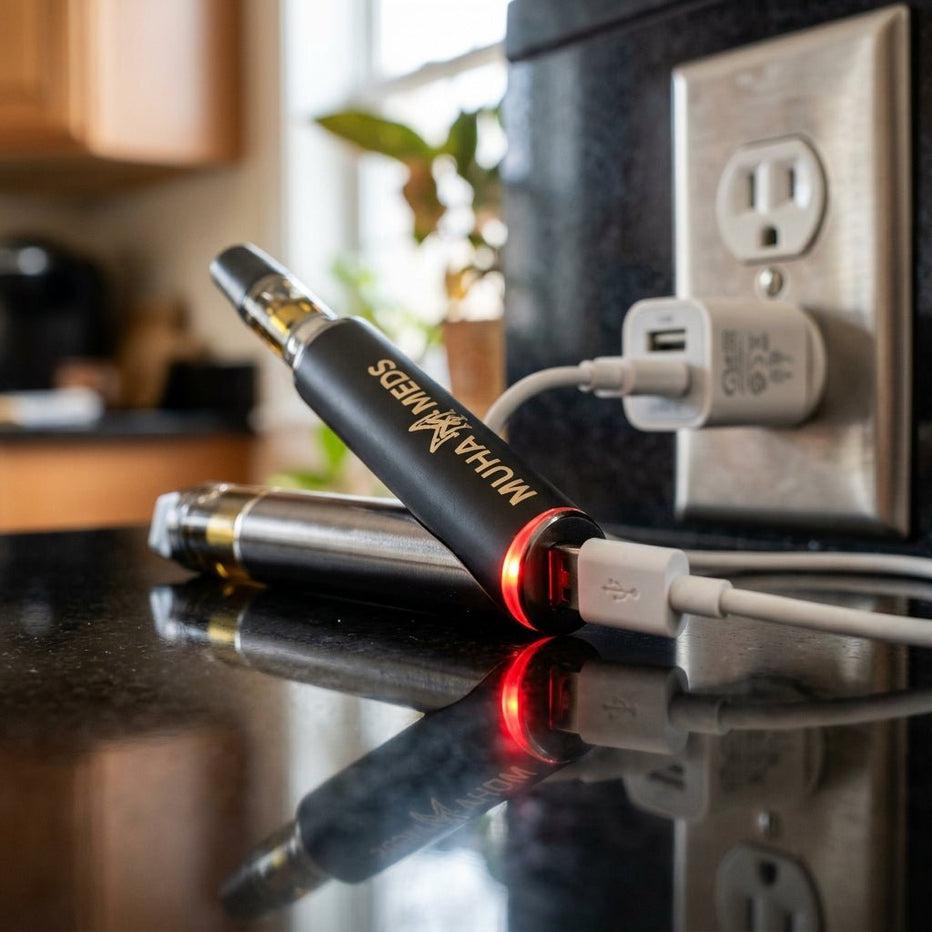
Most vapes use a small LED to show charging status. A flashing light often means the battery is still filling.

Once charging finishes, the light usually turns solid or switches off.

However, patterns vary by brand, so check the packaging for your device’s specific meaning.

Why Does My Vape Charging Light Keep Flashing

How Indicator Lights Usually Work

Manufacturers use simple light codes. For example, a slow flash may mean charging.

Meanwhile, a solid light often means the battery is full.

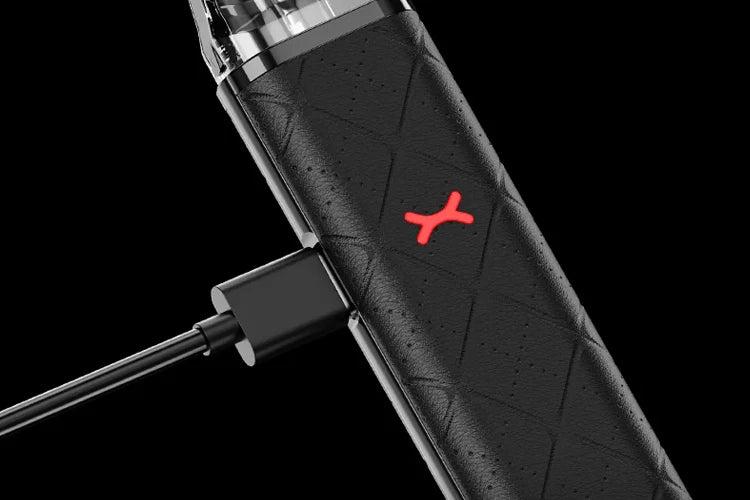
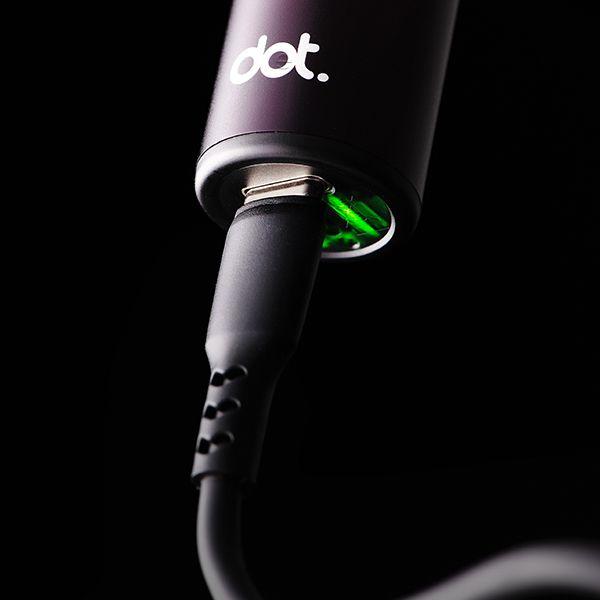
Some devices also use color. On many models, red signals charging while green or white signals a full charge.

Use these patterns as a rough guide:

  • Slow flashing while plugged in: normal charging
  • Solid light or light off: charging complete
  • Rapid flashing: connection or power problem
  • Flashing for hours without finishing: possible battery or charger fault

Why Does My Vape Charging Light Keep Flashing Rapidly?

Rapid flashing usually points to a problem rather than normal charging.

In other words, the device may detect a poor connection or an unstable power supply.

As a result, it keeps restarting the charging attempt instead of finishing it.

Many devices also include protection circuits. These circuits pause charging when something looks wrong.

Why a Flashing Charging Light Often Points to the Cable

Cables wear out faster than most people expect.

Therefore, a frayed or bent cable often interrupts power and triggers a flashing light.

Similarly, a charger that outputs the wrong voltage can confuse the charging circuit.

First, try a second cable and a different power source. Next, use the cable that came with your device, or one rated for it.

A Dirty Charging Port Interrupts the Connection

Lint and residue collect inside charging ports, especially in pockets and bags.

As a result, the metal contacts may not touch the cable properly.

Clean the port gently with a dry wooden toothpick while the device stays unplugged.

Never use metal tools or liquids. They can damage the contacts or create a short circuit.

A Worn Battery Can Flash Without Finishing a Charge

Lithium-ion batteries lose capacity with age and heavy use.

Consequently, an old battery may struggle to complete a charge.

If the light flashes for hours without turning solid, the battery may no longer hold power.

In that case, replacing the device is usually the practical fix.

Why Does My Vape Charging Light Keep Flashing

Quick Fixes to Try First

Work through these steps in order before assuming the device is finished:

  • Try a different cable and power source
  • Clean the charging port with a dry toothpick
  • Unplug the device, wait a few minutes, then reconnect it
  • Charge at room temperature, away from heat
  • Check the packaging for the light pattern’s meaning
  • Replace the device if flashing continues for hours

When a Flashing Charging Light Signals a Safety Problem

Stop charging immediately if the device feels hot, swells, or smells unusual.

The Consumer Product Safety Commission identifies damaged lithium-ion batteries as a known overheating risk.

Therefore, unplug the device, move it onto a non-flammable surface, and stop using it.

How to Prevent Charging Problems

Good habits prevent most charging issues.

For example, stay nearby while the device charges so you can catch problems early. Also unplug it once the light shows a full charge.

Follow these habits to protect the battery:

  • Use the original cable or a matching one
  • Charge on a flat, non-flammable surface
  • Keep the charging port clean and dry
  • Avoid charging in hot cars or direct sunlight
  • Replace worn cables before they fail

Frequently Asked Questions

Is a flashing light while charging normal?
Often, yes. Many devices flash during charging, then turn solid or switch off when finished.

How long should the light flash before I worry?
If it flashes well beyond the device’s normal charging time, something is likely wrong.

Can the wrong charger cause flashing?
Yes. A mismatched charger can supply the wrong voltage and disrupt the charging process.

Still seeing a flashing light that won’t stop? Get in touch with our team and we’ll help you sort it out.

Why Does My Vape Get Warm While Charging?

Why Does My Vape Get Warm While Charging?

Why does my vape get warm while charging? Usually, mild warmth is a normal side effect of how batteries work.

However, heat beyond a gentle warmth can signal a charging problem.

This guide explains what counts as normal, what doesn’t, and how to charge safely.

If your device runs hot often, our shop has replacements ready.

Why Does My Vape Get Warm While Charging? Mild Warmth Is Normal

Vapes use lithium-ion batteries. Charging pushes energy into the cell, which naturally produces some heat.

Therefore, a device that feels slightly warm usually works as intended.

In other words, warmth alone rarely means something broke.

Why Does My Vape Get Warm While Charging?

What Happens Inside the Battery While It Charges

Charging drives a chemical reaction inside the cell.

Meanwhile, internal resistance inside the cell causes a slight temperature rise during charging. batteryuniversity

As a result, every rechargeable device warms a little.

Charge speed matters too. Battery University warns that fast charging harms the battery, so gentler charging is better. batteryuniversity

Why Your Vape Feels Warmest Near a Full Charge

Some lithium-ion packs warm by roughly 5°C (9°F) as they reach full charge, according to Battery University. batteryuniversity

Consequently, the device often feels warmest near the end of charging.

That small rise is normal.

Warm Versus Too Hot: How to Tell the Difference

Battery University advises stopping use if the temperature climbs more than 10°C (18°F). batteryuniversity

That guidance applies to moderate charging speeds.

Most people don’t carry a thermometer. Therefore, use a simple touch test.

Use these rough guides:

  • Comfortably warm to the touch: normal
  • Uncomfortable to hold: stop charging and unplug
  • Swelling, hissing, or an odd smell: stop immediately

Why Does My Vape Get Warmer Than Normal While Charging?

Several habits push charging heat higher than it should go.

For example, a mismatched charger can force more power into the battery.

Similarly, charging on a bed or couch traps heat that would otherwise escape.

Surrounding heat matters too. Battery University says a hot battery should cool to a moderate temperature before charging. batteryuniversity

Finally, a worn battery or dirty charging port can add resistance and extra heat.

Charging Location Matters More Than You Think

A hot car can push a battery well past a comfortable temperature.

Likewise, direct sunlight on a windowsill adds heat while the battery already warms itself.

Stacking devices together also blocks airflow. As a result, heat builds up faster.

Instead, charge on a hard, flat surface in a cool, shaded spot.

Why Does My Vape Get Warm While Charging?

Quick Fixes to Keep Charging Cool

Try these steps in order:

  • Use the cable and charger that came with your device
  • Charge on a hard, flat, non-flammable surface
  • Move away from sunlight, heaters, and hot cars
  • Clean the charging port gently with a dry toothpick
  • Unplug as soon as the light shows a full charge
  • Replace the device if it keeps running hot

When a Warm Vape While Charging Signals Danger

Stop charging right away if the device feels hot, swells, or smells unusual.

Battery University advises discontinuing use of any battery or charger that gets excessively warm. batteryuniversity

Therefore, unplug it and move it onto a non-flammable surface, away from anything flammable.

Do not use that device again.

Safe Charging Habits

Good habits keep heat low and extend battery life.

For example, charge at a moderate temperature, as Battery University recommends. batteryuniversity

Follow these habits every time:

  • Stay nearby while the device charges
  • Never charge overnight
  • Unplug once fully charged
  • Keep ports clean and dry
  • Replace damaged cables right away

Frequently Asked Questions

Is it normal for a vape to feel warm while charging?
Yes. Mild warmth is normal, especially near a full charge.

How hot is too hot?
If the device is uncomfortable to hold, stop charging and let it cool.

Can a bad charger make my vape hotter?
Yes. A mismatched charger can push the wrong power into the battery and add heat.

Does leaving it plugged in after it’s full add heat?
Usually not much. However, unplugging promptly avoids extra stress on the battery.

Worried your device runs too hot? Get in touch with our team and we’ll help you sort it out.

Why Is My Vape Making A Popping Sound?

Why Is My Vape Making a Popping Sound?

You press the fire button, take a gentle draw, and suddenly hear a loud pop or crackle from your tank. If you are asking why is my vape making a popping sound, you are not alone.

Hearing a sharp popping noise can be startling when you expect a smooth vapor draw. In most cases, a soft crackle simply indicates that your heating element is working properly. However, sudden loud pops or liquid droplets spraying into your mouth mean liquid is boiling on the coil rather than vaporizing cleanly.

Understanding why these sounds happen helps you fix the underlying issue quickly. This guide explains the primary causes behind coil noise and how to restore a quiet, comfortable session.

The Physics of Coil Vaporization

Vape coils work by rapidly heating e-liquid held inside a cotton wick. When electricity surges through the metal wire or mesh, it instantly turns the surrounding liquid into aerosol.

During normal operation, tiny vapor bubbles form and collapse continuously along the surface of the hot metal. This rapid bubble creation produces a light, gentle crackling sound that signals good heat transfer.

Problems occur when excess liquid pools on top of the heating wire. Instead of vaporizing smoothly, the trapped liquid boils and expands into larger bubbles. When these massive bubbles burst open under pressure, they create the distinct popping sound you hear during a hit.

Why Is My Vape Making a Popping Sound: Oversaturated Wicks and Tank Flooding

Why Is My Vape Making a Popping Sound?

The most frequent culprit behind aggressive popping is an oversaturated wick or a flooded atomizer chamber.

When too much e-liquid enters the coil housing, the heating element becomes completely submerged. The coil cannot reach its ideal vaporizing temperature fast enough to convert all that fluid into smooth mist.

Tank flooding can happen for several simple reasons:

  • Overfilling the reservoir past its max fill line.
  • Leaving your device sitting unused for several days.
  • Pulling too hard on the mouthpiece, which pulls extra liquid into the chamber.
  • Damaged rubber O-rings that break the internal vacuum seal.

To clear a flooded coil, flick your device downward toward a paper towel to remove excess liquid from the central chimney. Check our selection of replacement pods in our shop if damaged seals continue to cause persistent leaking.

Low Wattage and Power Settings

Running your device below its recommended power range often leads to noisy vaporization.

Every commercial coil is designed to operate within a specific wattage window stamped right on its metal housing. If you set your battery output too low, the coil warms up slowly.

Instead of turning e-liquid into vapor on contact, the weak heat boils the juice slowly. This slow stewing process generates large, noisy bubbles that pop loudly when you inhale.

Check the side of your installed coil head for its rated wattage. Increasing your power setting by 2 to 5 watts can instantly stop unwanted noise.

Why Is My Vape Making a Popping Sound: E-Liquid Viscosity and PG/VG Ratios

Why Is My Vape Making a Popping Sound?

The ratio of Propylene Glycol (PG) to Vegetable Glycerin (VG) directly impacts how juice flows through your wick.

PG is thin and watery, while VG is thick and viscous. If you use a thin e-liquid with high PG content in a high-power sub-ohm tank, the fluid saturates the cotton far too quickly.

This rapid oversaturation floods the heating element and causes persistent spitting.

Guideline: Sub-ohm coils with wide airflow vents require thick 70VG/30PG blends to maintain proper wicking pressure. Smaller low-power pod systems perform best with balanced 50VG/50PG blends.

Switching to a thicker e-liquid formula prevents rapid flooding and significantly reduces popping noise. Explore our flavor collection to find high-VG options suited for high-wattage tanks.

How to Prevent Coil Popping and Spitback

You can eliminate unwanted tank noise and hot spitback with a few simple habit adjustments:

  1. Inhale Softly: Take longer, gentler puffs rather than sharp, fast draws that drag excess liquid into the chimney.
  2. Clean the Chimney: Swab the central airflow tube with a twisted tissue to clean out trapped condensation.
  3. Fire Before Inhaling: Press the activation button for half a second before drawing to burn off pooled surface liquid.
  4. Use Proper E-Liquid: Match thin liquids with small pod devices and thick liquids with sub-ohm tanks.

If you tried these adjustments and still experience harsh burning or popping, reach out to our team for personalized troubleshooting advice.

For Safety Guidelines, Explore

Why Does My Vape Keep Gurgling After I Clean It?

Why Does My Vape Keep Gurgling After I Clean It?

You just took the time to clean your device, reassemble it, and fill it with your favorite e-liquid. But instead of enjoying a smooth, flavor-packed hit, you’re met with an annoying liquid sound, spitback, or even leakage. If you find yourself asking, “Why does my vape keep gurgling after I clean it?”, you are dealing with a common post-maintenance issue. This usually stems from trapped rinse water, a flooded coil, or improper reassembly. Fortunately, it is easy to diagnose and even easier to fix.

Here is a breakdown of why this happens and step-by-step solutions to restore a silent, leak-free draw.

Trapped Water in the Airflow Track Causing Vape Gurgling

Firstly, when deep-cleaning a tank or pod, it is standard practice to wash the components under running water. However, water has a higher surface tension and a lower vaporization point than e-liquid. If any water droplets remain inside the airflow channel, chimney, or air intakes, liquid gets trapped. This causes a distinct post-cleaning vape gurgle as air passes through.

How to Fix Water Trapped in Your Vape Airflow:

  • Flick the tank: Hold your tank firmly and give it a downward flick over a paper towel. This will force trapped water out through the mouthpiece and airflow vents.
  • Blow through the airflow: Open the airflow fully, wrap a paper towel around the base, and blow firmly down through the drip tip without firing the device.
  • Ensure 100% dry components: Always let non-electronic tank parts air-dry completely on a paper towel for several hours before reassembling.

Water-Thinned E-Liquid Causes a Flooded Vape Coil

Why Does My Vape Keep Gurgling After I Clean It?

Next, if moisture remains inside the coil housing or tank base, it dilutes the vegetable glycerin (VG) and propylene glycol (PG) mixture in your e-liquid. Diluted e-liquid is much thinner. This allows it to oversaturate the wick and flood the chamber faster than the heating element can vaporize it. Thus, resulting in a sputtering, gurgling coil.

How to Fix a Gurgling Vape Coil After Cleaning:

  • Replace water-damaged coils: Replace the coil if it was accidentally soaked in water during cleaning. Standard cotton coils should never be washed with water.
  • Dry the battery contacts: Clean and dry the coil connection area on the mod/battery using a dry Q-tip. This will ensure a clean electrical connection.

Loose Reassembly Leads to Air Leaks and Vape Sputtering

Again, a loose coil or misaligned O-ring breaks the vacuum seal required for proper e-liquid feeding. When air leaks into the tank chamber, e-liquid flows uncontrollably into the coil atomizer head, leading to flooding, crackling, and heavy gurgling after reassembly.

How to Fix Tank Leakage and Gurgling Vape Noise Issues:

  • Check the O-rings: Ensure all rubber seals and O-rings are intact, uncracked, and properly seated in their designated grooves.
  • Check thread alignment: Ensure the coil and tank sections are screwed in snugly. Avoid overtightening, as it can warp the rubber gaskets.

For Maintenance Techniques And More Troubleshooting help

Flooded Chimney or Drip Tip Causing Spitback and Gurgling

Why Does My Vape Keep Gurgling After I Clean It?

Also, during refilling, e-liquid or leftover rinse water can easily drip directly down the center airflow tube (the chimney). Because air needs to travel freely through this tube, any pooling liquid causes instant popping, spitback, and continuous gurgling.

How to Clear a Flooded Vape Chimney:

  • Swab the center tube: Swab the central chimney using a rolled-up paper towel or cotton swab inserted through the top drip tip.
  • Refill at an angle: Always tilt your tank at a 45-degree angle when refilling to keep liquid strictly within the outer fill ports.

To Learn More About Vape Device Maintenance

High Puff Vs Low Puff

Why Does My Vape Auto Fire?

Why does my vape auto fire is one of the more unsettling problems a vaper can run into. It means the device is producing vapor without you pressing anything.

This guide covers the most common causes, what they mean for safety, and the steps to take if it happens to you. If your device damages, our shop has reliable replacements ready.

Why Does My Vape Auto Fire? What’s Actually Happening

Auto-firing means the heating element activates on its own. No button press or draw ia required to trigger it.

This is different from a draw-activated device working normally. Auto-firing means something internal is sending a firing signal without your input.

It’s not something to ignore. Continuous, unintended heating can drain the battery quickly and generate excess heat.

E-Liquid Leaks Into the Circuit

E-liquid isn’t supposed to reach the internal circuit board or button contacts. When it does, it can create an unintended electrical connection.

That connection can trick the device into thinking it’s being used. This is one of the most common causes of unexpected firing.

Overfilling a tank or storing a device on its side can both increase the chance of this kind of leak.

Why Does My Vape Auto Fire

A Stuck or Damaged Fire Button

Physical buttons can wear down or get sticky over time. Residue from e-liquid or general use can cause this stickiness.

If a button stays pressed even slightly, the device may continue firing without you actively holding it down.

Cleaning the button area regularly helps prevent this kind of buildup from becoming a problem.

Why Does My Vape Auto Fire With a Damaged Battery?

Batteries that are old, damaged, or poor quality can behave unpredictably. Internal damage can sometimes cause a battery to discharge on its own.

According to the Consumer Product Safety Commission, damaged lithium-ion batteries are a known source of short circuits and overheating incidents.

If your battery shows swelling, unusual heat, or physical damage, it should be replaced rather than continued to be used.

Worn or Faulty Coils

Coils naturally degrade with regular use. A coil nearing the end of its life can sometimes send irregular signals back to the device.

This is less common than button or liquid issues, but it’s worth checking if you’ve ruled out the more obvious causes.

Why Does My Vape Auto Fire After Being Dropped?

Physical impact can loosen internal wiring or shift components out of place. This is a common cause of auto-firing in devices that have been dropped.

Even a drop that doesn’t visibly damage the outside can affect the internal connections in a device.

What to Do If Your Vape Starts Auto-Firing

If your device starts firing on its own, stop using it immediately. Move it to a safe, non-flammable surface.

If the battery is removable, take it out right away. If it isn’t, power the device off completely if possible.

Inspect it for leaks, a stuck button, or visible damage before considering whether it’s safe to use again.

When to Replace the Device

If auto-firing continues after cleaning and inspection, the safest option is usually to stop using the device entirely.

A device that auto-fires repeatedly likely has an internal fault that isn’t easily fixed. Replacing it is the safer choice.

Why Does My Vape Auto Fire

Frequently Asked Questions

Is auto-firing dangerous?
It can be. Continuous unintended heating increases the risk of overheating, battery damage, and in rare cases, fire.

Can auto-firing happen with disposable vapes too?
Yes. Disposable devices can auto-fire from the same causes, e-liquid leaks, internal damage, or a faulty sensor.

Should I try to fix a device that’s auto-firing myself?
Basic cleaning and inspection are reasonable, but continued auto-firing usually means the device should be replaced.

Dealing with a device that won’t stop misbehaving? Get in touch with our team and we’ll help you find a reliable replacement.

How Long Should a Disposable Vape Charge

How Long Should a Disposable Vape Charge?

How long should a disposable vape charge is a fair question, since running it too short or too long can affect both performance and safety. Most disposables take somewhere between 30 minutes and a few hours.

This guide breaks down what actually determines that time and how to know when your device is ready. If yours needs replacing altogether, our shop has plenty of rechargeable options.

How Long Should a Disposable Vape Charge? It Depends on Battery Size

Battery capacity is measured in milliamp-hours, often shortened to mAh. A higher number means more stored energy.

Smaller batteries, common in compact disposables, generally charge faster. Larger batteries, found in higher puff count devices, take longer to fill.

As a rough guide, smaller batteries often charge in around 30 to 45 minutes, while larger ones can take a couple of hours.

How Long Should a Disposable Vape Charge

Charging Port Type Matters

Devices with USB-C ports typically charge faster than older Micro-USB models. USB-C supports more efficient power transfer overall.

If your device still uses Micro-USB, expect charging to take noticeably longer than a comparable USB-C device.

What You Plug Into Also Affects Speed

A laptop or computer USB port usually delivers less power than a dedicated wall adapter. This can meaningfully slow down charging.

A standard wall adapter, especially one rated for phones, typically charges a disposable vape faster and more consistently.

How Long Should a Disposable Vape Charge Before You Unplug It?

Most devices include an LED indicator light. It usually turns off, or changes color, once charging is complete.

As soon as that light signals a full charge, unplug the device. Leaving it connected longer adds unnecessary strain to the battery.

Signs You’re Charging It Too Long

Leaving a disposable vape on the charger well past full can generate unnecessary heat. That heat gradually wears down battery capacity over time.

According to the Consumer Product Safety Commission, damaged or improperly charged lithium-ion batteries are a known fire and overheating risk.

If your device ever feels excessively hot while charging, unplug it immediately and let it cool before checking it further.

Can You Do a Quick Top-Up Charge?

Yes. A short charge, even just fifteen to twenty minutes, can often provide enough power for several more uses.

This is useful if you’re in a hurry and don’t need a full charge right away.

How Long Should a Disposable Vape Charge

How Long Should a Disposable Vape Charge Safely Overnight?

It’s generally best to avoid charging overnight. Staying nearby lets you catch overheating or malfunction early.

Most disposables don’t need hours of charging anyway, so an overnight charge is rarely necessary in the first place.

Frequently Asked Questions

What happens if I overcharge a disposable vape?
Extended overcharging can generate excess heat and gradually reduce the battery’s overall lifespan.

Can I use my phone charger for a disposable vape?
Yes, in most cases, as long as it uses the matching USB-C or Micro-USB connector.

Why does my device seem to charge slower than expected?
A lower-power USB port, an aging battery, or a larger battery capacity can all extend charging time.

Not sure how your specific device should charge? Get in touch with our team and we’ll help you figure it out.

Disposable Vapes Vs Cigarettes

Disposable vapes vs Cigarettes

Disposable vapes vs cigarettes is a comparison worth understanding clearly, not just assuming. Both products deliver nicotine, but they work very differently and carry different risks.

This guide breaks down what current research and health agencies actually say, without overstating either side. It’s worth noting upfront: no tobacco or nicotine product is risk-free.

Disposable Vapes Vs Cigarettes: How They’re Different

Cigarettes burn tobacco, producing smoke that contains thousands of chemicals, many of them known carcinogens. Combustion is the primary source of that harm.

Disposable vapes heat e-liquid instead of burning anything. According to Johns Hopkins Medicine, vaping generally exposes users to fewer toxic chemicals than burning tobacco does.

That doesn’t mean vaping carries no risk. E-liquid aerosol still contains nicotine, chemicals, and substances not yet fully understood long term.

Disposable Vapes Vs Cigarettes

What Health Agencies Actually Say

The CDC is direct about this: there are no safe tobacco products, including e-cigarettes. Neither cigarettes nor disposable vapes are risk-free.

The CDC also notes e-cigarettes may benefit adult smokers if used as a complete substitute for cigarettes. However, no e-cigarette is FDA-approved as a smoking cessation aid.

This distinction matters. Switching entirely may reduce certain exposures for adult smokers, but that’s different from calling vaping safe.

Disposable Vapes Vs Cigarettes

Nicotine Content Is Often Higher, Not Lower

A common assumption is that vapes deliver less nicotine than cigarettes. That’s not necessarily true for many disposable devices.

Some disposable vapes contain nicotine levels equivalent to an entire pack of cigarettes in a single device. This means nicotine exposure can be significant, or even higher, depending on usage.

Disposable Vapes Vs Cigarettes: Addiction Risk

Both products deliver nicotine, which is highly addictive regardless of the delivery method. Switching from one to the other doesn’t eliminate that risk.

Using both cigarettes and vapes together, known as dual use, doesn’t reduce harm either. The CDC notes dual use can result in greater toxin exposure than using either product alone.

Disposable Vapes Vs Cigarettes: What’s Still Unknown

Cigarettes have been studied for decades, giving researchers a clear picture of their long-term effects. Vaping is comparatively newer.

Long-term health outcomes from years of vaping are still being studied. Ongoing research continues to evaluate cardiovascular and respiratory effects specifically.

Safety Risks Beyond Health Effects

Cigarettes carry fire risks from open flame. Disposable vapes carry a different risk: battery-related injuries.

The CDC notes that defective e-cigarette batteries have caused fires and explosions, most often occurring during charging. Handling and charging habits directly affect this risk.

Disposable Vapes Vs Cigarettes

Who Should Avoid Both

Youth, young adults, and people who are pregnant should not use either cigarettes or e-cigarettes. Neither product is considered acceptable for these groups.

Adults who’ve never smoked or vaped shouldn’t start with either product. The safest option is never starting at all.

Frequently Asked Questions

Are disposable vapes definitely safer than cigarettes?
Evidence suggests vaping may expose users to fewer toxic chemicals, but it isn’t considered safe, and long-term effects are still being studied.

Can vaping help someone quit smoking?
No e-cigarette is currently FDA-approved as a smoking cessation aid. Speak with a doctor about approved options if you’re trying to quit.

Is nicotine itself the main danger in both products?
Nicotine is highly addictive in both, though cigarettes carry additional risks from combustion that vaping does not.

If you’re an adult smoker exploring alternatives, our team can answer questions about our product range.

Back to Top
error: Content is protected !!
Product has been added to your cart
Compare (0)