


Home
Shop
Wishlist0
ONE DAY. ONE EXCLUSIVE DISCOUNT. 25% DISCOUNT. EVERY TUESDAY.
High Puff Vs Low Puff

High Puff Vs Low Puff

High puff vs low puff comes down to a simple tradeoff: longevity versus size. Choosing between them affects cost, portability, and how often you’re replacing your device.

This guide breaks down what those puff numbers actually mean and how to choose the right range for your habits. If you’re comparing options, our shop carries devices across both categories.

High Puff Vs Low Puff: What the Numbers Actually Mean

A puff count is an estimate based on standardized testing, not a guarantee. Manufacturers calculate it using short, consistent draws under controlled conditions.

Real-world use varies a lot. Longer draws, frequent chain vaping, and different airflow settings can all change your actual result.

Still, puff count remains a useful starting point for comparing devices and matching one to your habits.

What Low Puff Devices Offer

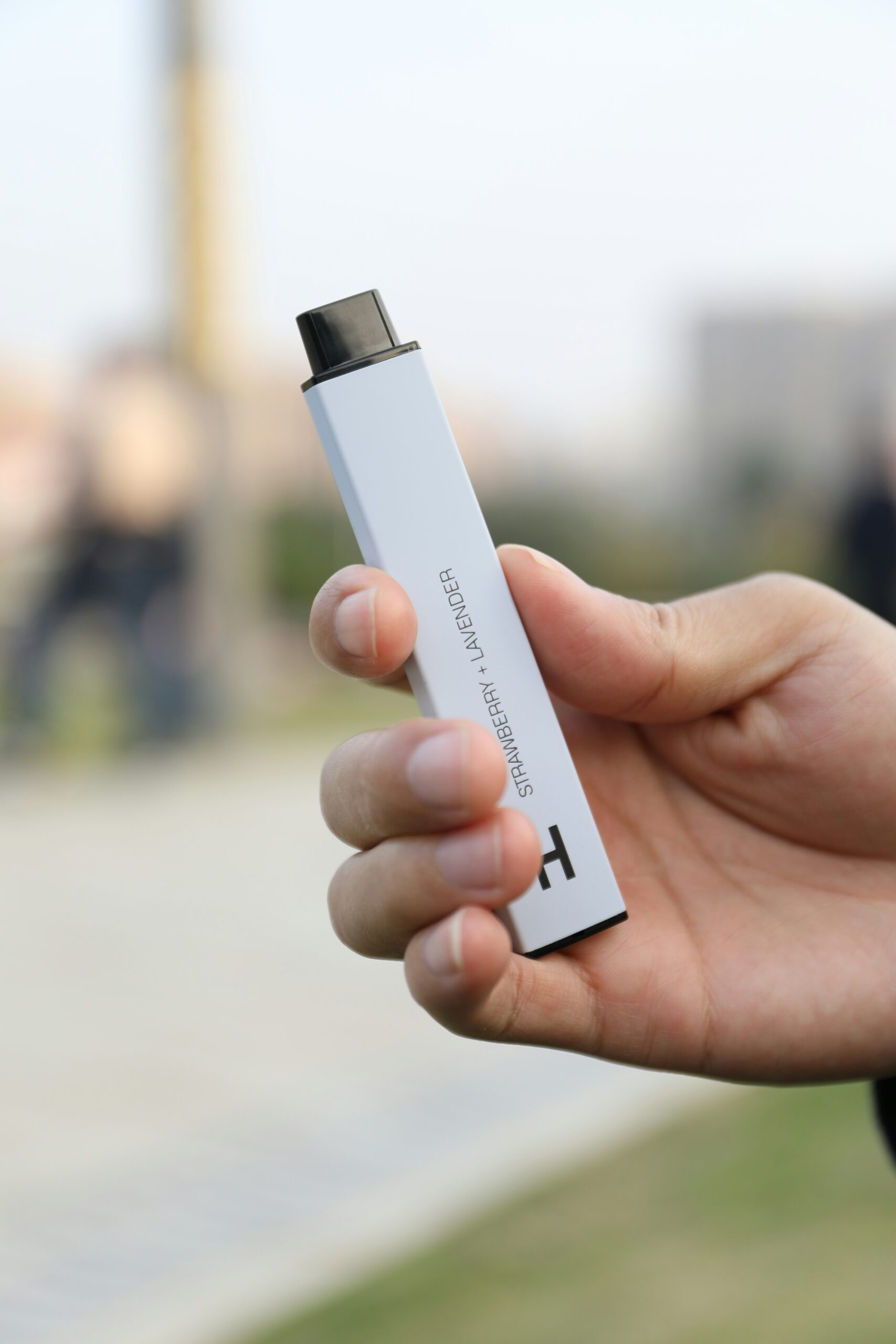
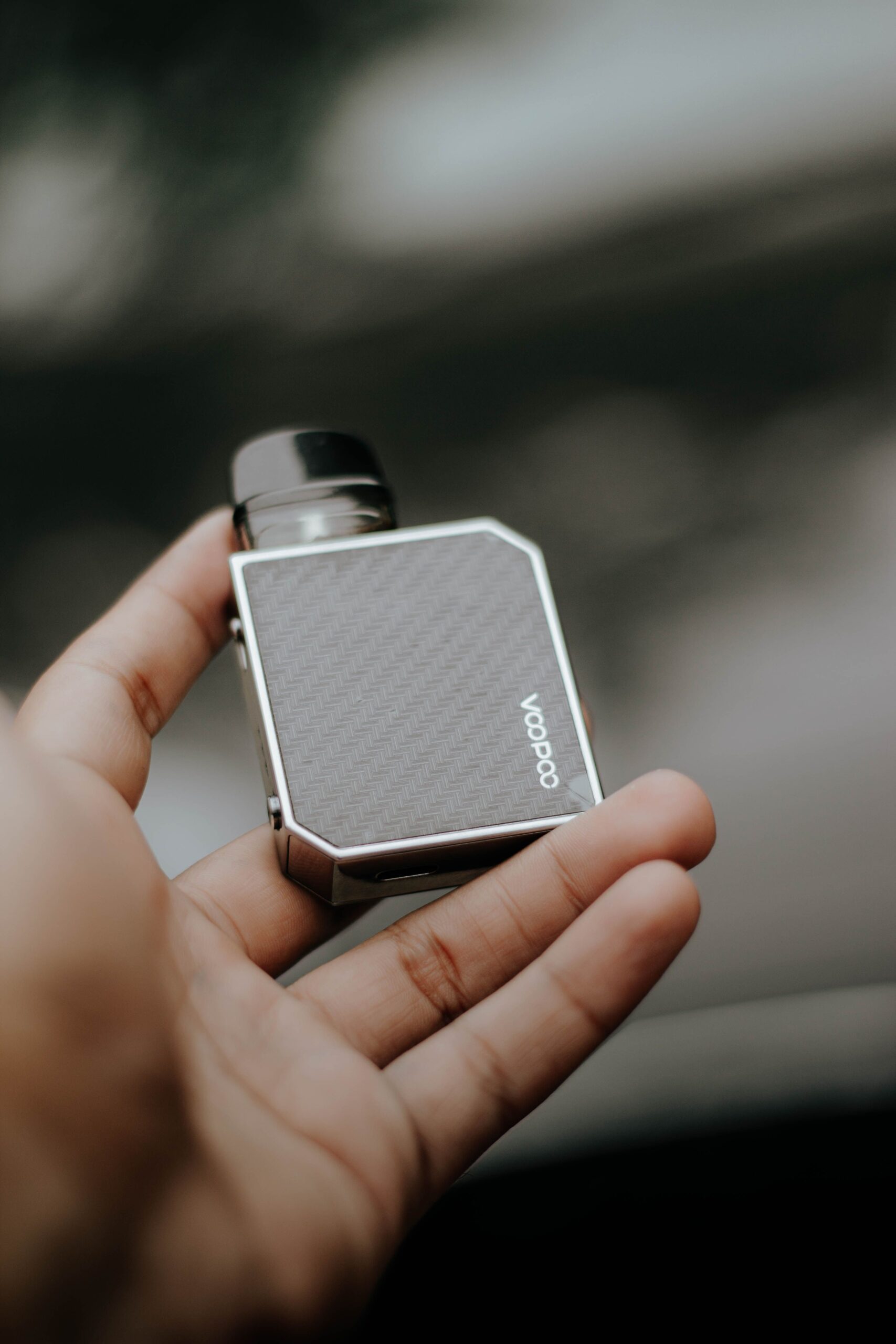
Low puff devices are typically compact and lightweight. Their smaller size makes them easy to carry and quick to replace.

They generally use a smaller battery and a smaller e-liquid reservoir. Both are designed to run out around the same time.

These devices suit occasional or casual use well. If you don’t vape daily, a smaller device may never feel limiting.
High Puff Vs Low Puff

What High Puff Devices Offer

High puff devices pack in a much larger e-liquid reservoir. To keep pace, they also need a bigger battery.

According to battery capacity guidance from Anker, a higher mAh rating generally means a battery can sustain output for longer before running out. That’s exactly why higher puff counts require larger batteries.

These devices suit daily or heavy users well, since they reduce how often you need to replace your vape.
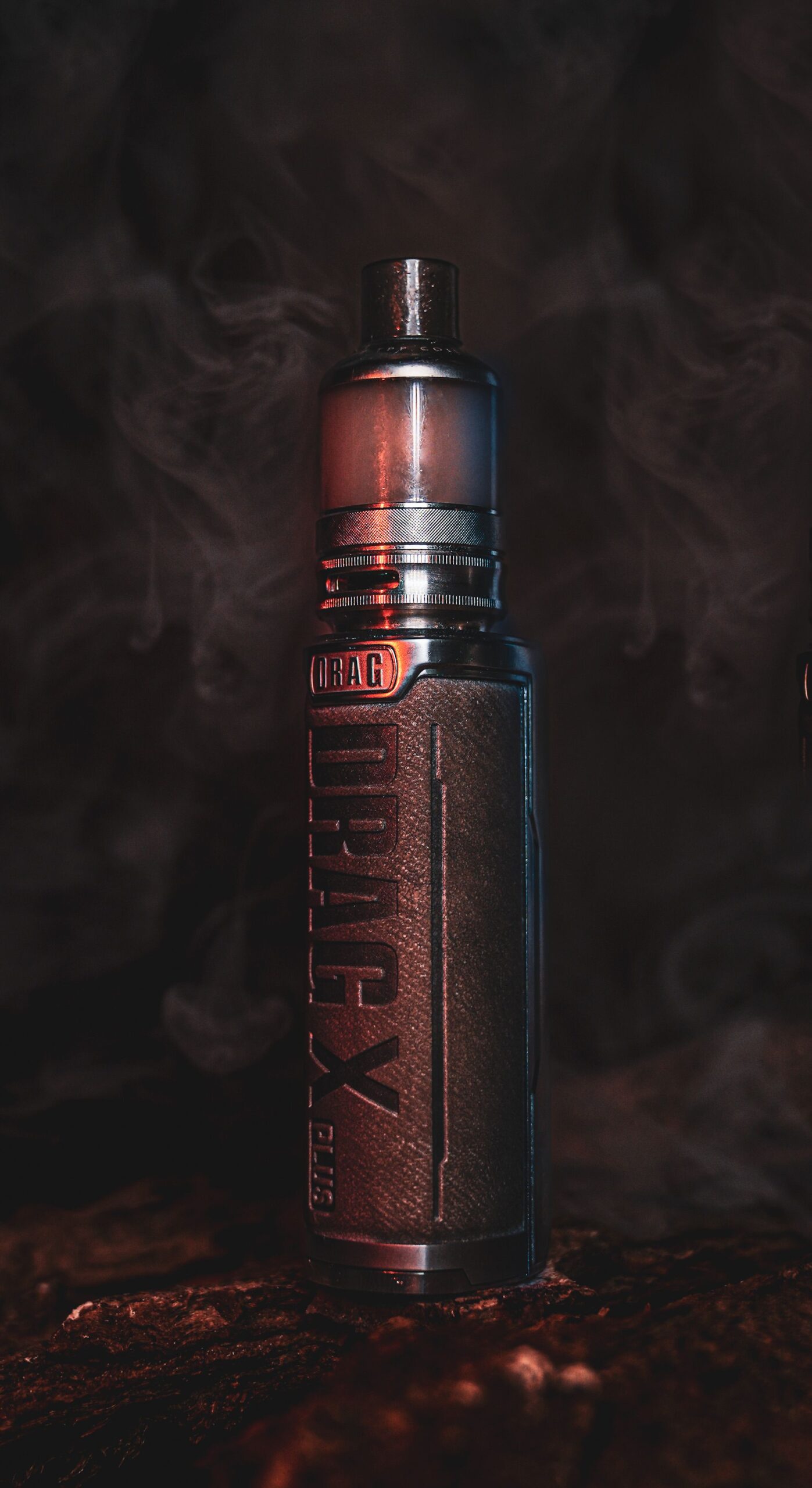
High Puff Vs Low Puff

High Puff Vs Low Puff: Size and Portability

Low puff devices are usually slim and pocket-friendly. Their smaller components keep the overall size compact.

High puff devices tend to be noticeably larger. The bigger battery and e-liquid tank both add bulk to the design.

If portability matters most to you, a low puff device is generally the easier one to carry daily.

Cost Per Puff

Low puff devices usually cost less upfront. But since they run out faster, you’ll be replacing them more often.

High puff devices often cost more per unit. Spread across thousands of extra puffs, the cost per puff is frequently lower overall.

Heavy users tend to save more with high puff devices. Occasional users may not use enough to see that benefit.

High Puff Vs Low Puff: Flavor Consistency

Low puff devices often deliver strong flavor from the very first puff to the last, since the e-liquid is used up quickly.

High puff devices can sometimes show more flavor variation over their longer lifespan, simply due to extended use.

Neither is a dealbreaker for most vapers, but it’s worth knowing if flavor consistency matters a lot to you.

Which Should You Choose?

If you vape occasionally or want maximum portability, a low puff device is usually the simpler, more practical fit.

If you vape daily and want fewer replacements, a high puff device is generally the more economical, longer-lasting option.

Frequently Asked Questions

Are high puff devices always rechargeable?
Not always, but many are. The larger battery often includes a USB charging port to support extended use.

Does a higher puff count mean stronger nicotine?
No. Puff count reflects e-liquid volume and battery size, not nicotine strength, which varies independently.

Can real puff counts differ a lot from the advertised number?
Yes. Draw length, frequency, and airflow settings can all shift your actual result significantly.

Not sure which puff range fits your habits? Get in touch with our team and we’ll help you figure it out.
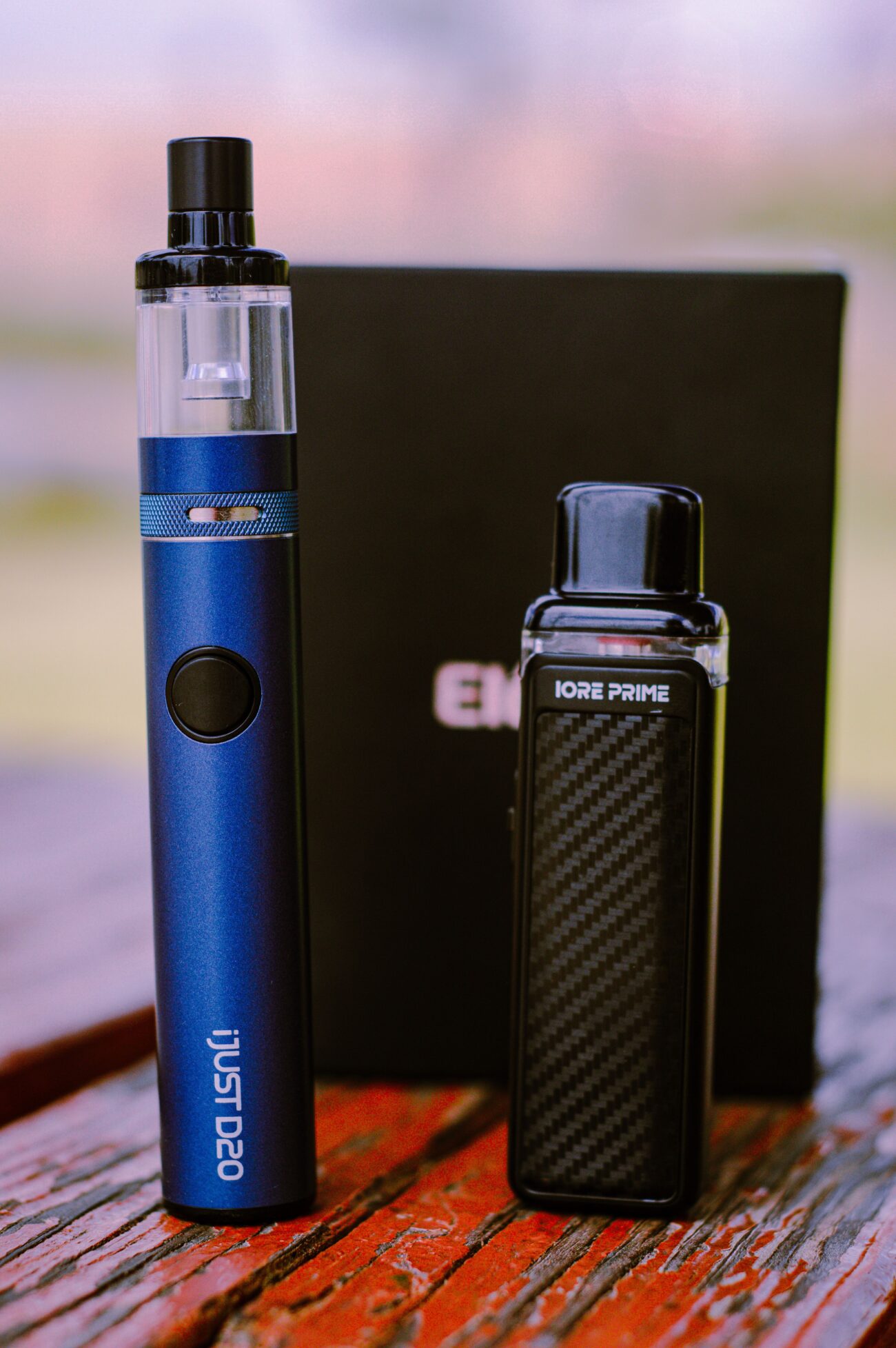
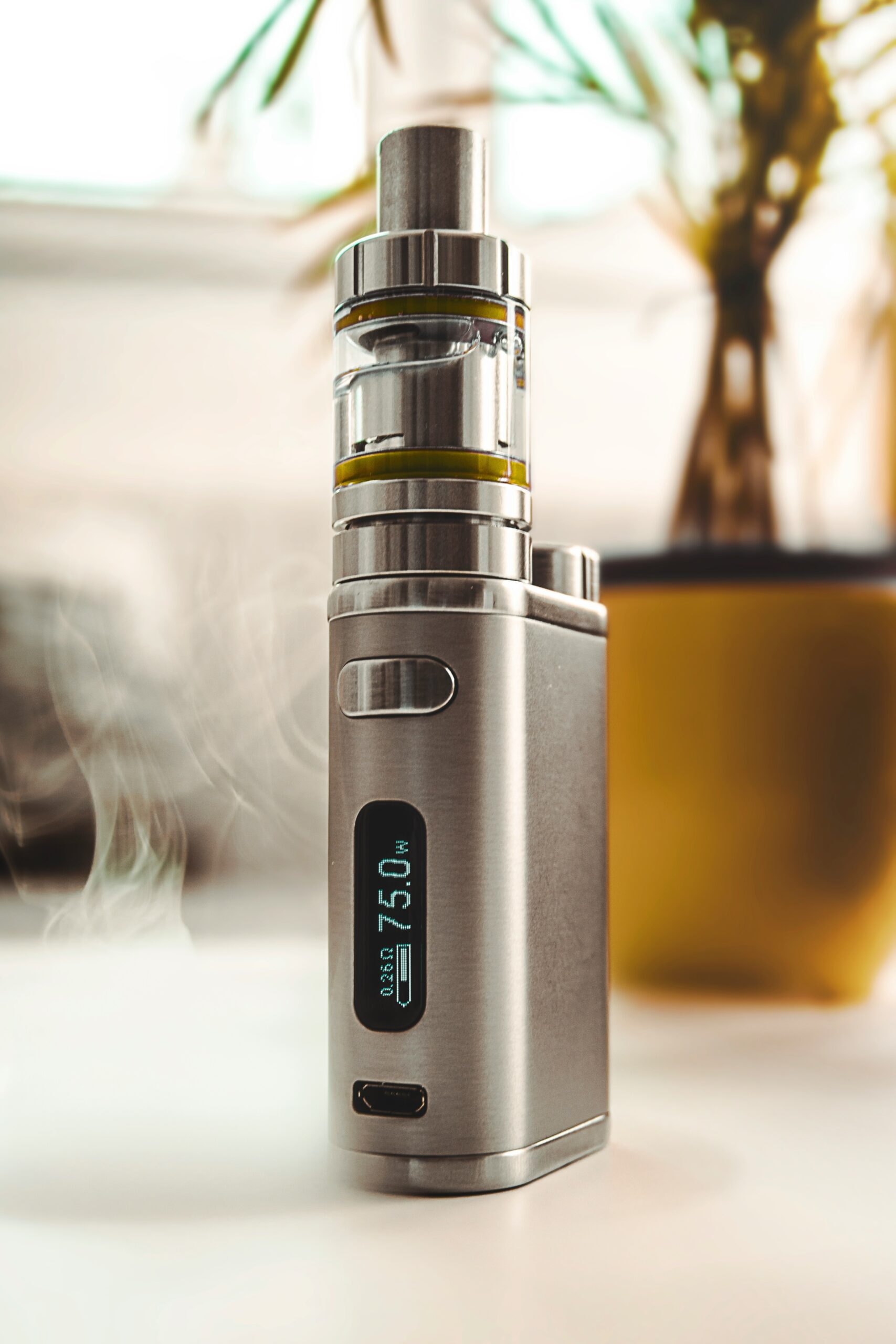
Rechargeable Vs Traditional Disposable Vapes

Rechargeable Vs Traditional Disposable Vapes

Rechargeable vs traditional disposable vapes comes down to one core distinction: whether the battery can be reused or not. That single difference shapes everything else.

This guide breaks down how each type works, what it means for cost and waste, and which one might suit you better. If you’re deciding between the two, our shop carries both styles.

Rechargeable Vs Traditional Disposable Vapes: The Basic Difference

A traditional disposable has a sealed, non-removable battery. Once it dies, the entire device is thrown away, regardless of leftover e-liquid.

A rechargeable disposable includes a USB charging port instead. The battery can be topped up repeatedly until the e-liquid runs out.

Both are still single-use in the sense that neither is refillable. The battery is simply the part that changes.

Why Rechargeable Models Often Last Longer

Traditional disposables pair a small, fixed battery with a small e-liquid reservoir. Both are designed to run out around the same time.

Rechargeable models remove that constraint entirely. Since the battery can be recharged, manufacturers can pack in a much larger e-liquid supply.

This is a major reason rechargeable disposables often reach far higher puff counts than traditional ones.

Rechargeable Vs Traditional Disposable Vapes

Rechargeable Vs Traditional Disposable Vapes: Cost Over Time

A traditional disposable typically costs less upfront. There’s no charging cable required, and the device is ready to use immediately.

A rechargeable disposable often costs more per unit, but delivers more total puffs. For regular users, this can mean a lower cost per puff overall.

Casual or infrequent users may not see much benefit from the higher puff count of a rechargeable device.

Charging and Everyday Use

Rechargeable disposables need occasional charging, similar to a phone. Most use a standard USB-C cable for this.

Traditional disposables need no charging at all. This makes them simpler for someone who wants zero maintenance, even briefly.

If you don’t want to think about charging at all, a traditional disposable removes that step entirely.

Environmental Considerations

Both device types are discarded once finished, since neither is refillable. Neither is considered an environmentally ideal option.

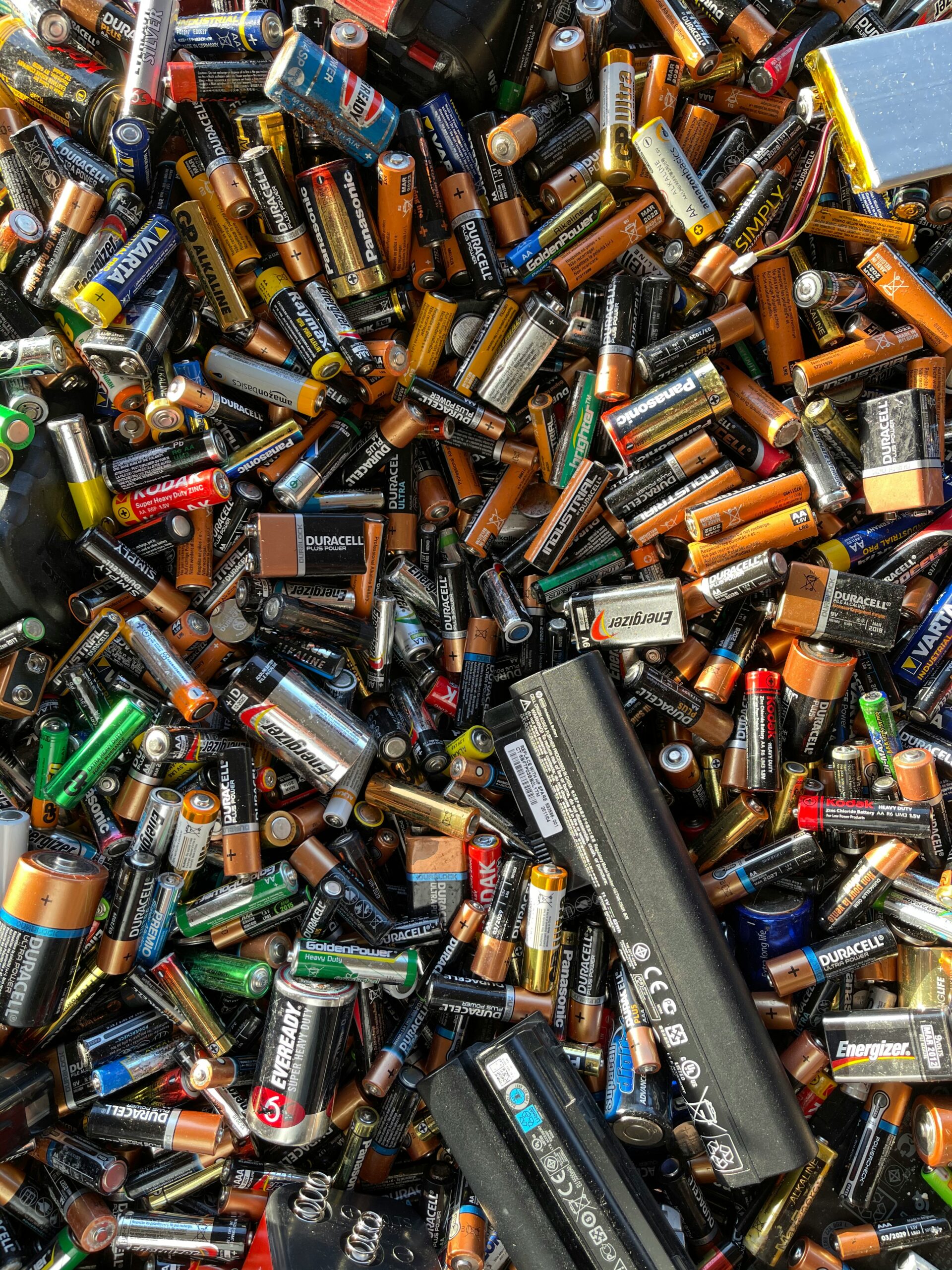
According to the EPA, most lithium-ion batteries are classified as hazardous waste and should never go in household trash or recycling bins.

This applies to both device types. Proper battery disposal matters regardless of which one you choose.

Rechargeable Vs Traditional Disposable Vapes

Rechargeable Vs Traditional Disposable Vapes: Which Fits You Better

If you vape occasionally and want the absolute simplest option, a traditional disposable may fit better. There’s nothing to charge or track.

If you vape regularly and want more puffs per device, a rechargeable disposable often makes more practical and financial sense.

How to Dispose of Either Type Properly

Never throw a disposable vape, rechargeable or not, in regular household trash. The battery inside poses a genuine fire risk.

Look for a local battery or electronics recycling drop-off point instead. Many retailers also accept old devices for safe disposal.

Rechargeable Vs Traditional Disposable Vapes

Frequently Asked Questions

Can a rechargeable disposable be refilled with e-liquid?
No. Rechargeable disposables allow battery charging only, not e-liquid refilling, despite the added charging port.

Do rechargeable disposables run out of e-liquid before the battery dies?
Usually, yes. That’s the intended design, since the battery can simply be recharged again if needed.

Is one type safer than the other?
Both use similar lithium-ion batteries, so the same charging and disposal precautions apply to either type.

Not sure which style fits your habits? Get in touch with our team and we’ll help you figure it out.
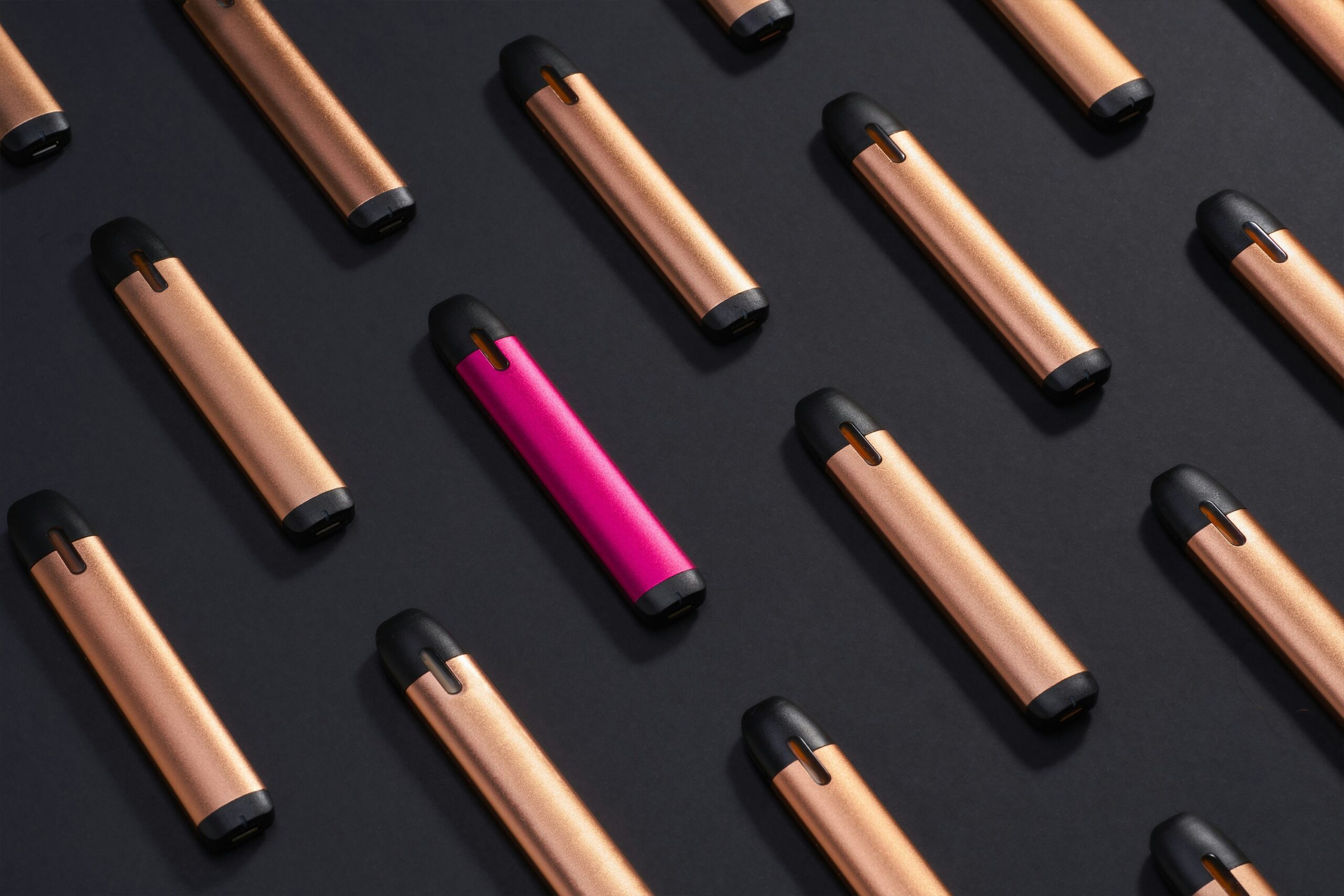
Beginner Vs Advanced Vape

Beginner Vs Advanced Vape

Beginner vape vs advanced vape comes down to one core tradeoff: simplicity versus control. Both can deliver a great experience, just in very different ways.

This guide breaks down the real differences so you can pick the right device for where you’re at. If you’re ready to explore either category, our shop carries options across both.

Beginner Vs Advanced Vape: Ease of Use

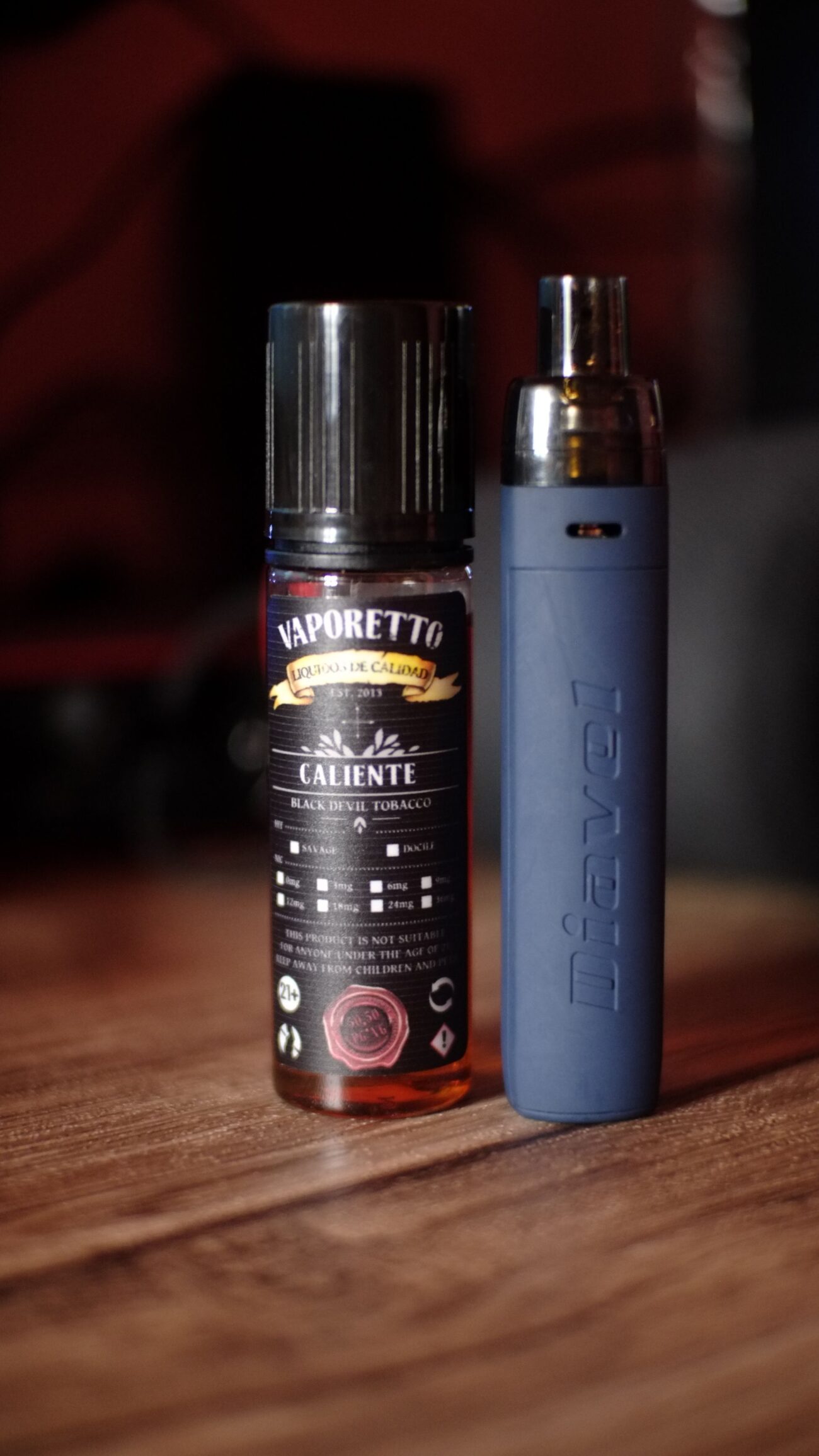
Beginner devices are very simple and easy to use. Most come pre-set, requiring no adjustments before you start using them.

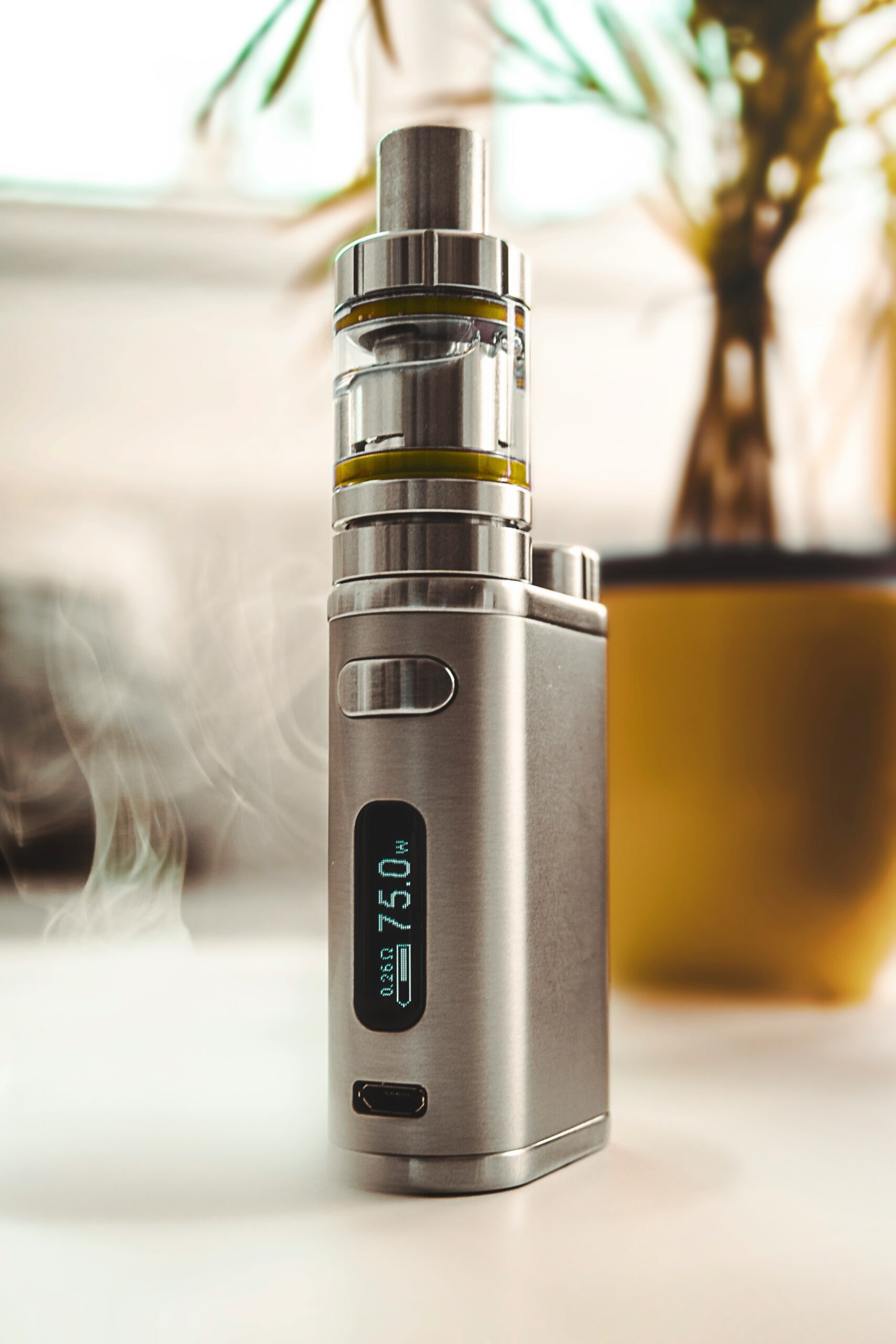
Advanced devices offer far more control. You can typically adjust wattage, airflow, and sometimes temperature to fine-tune your experience.

That control comes with a learning curve. Advanced devices generally require more understanding of how each setting affects performance.

Beginner Vs Advanced Vape

Size and Portability

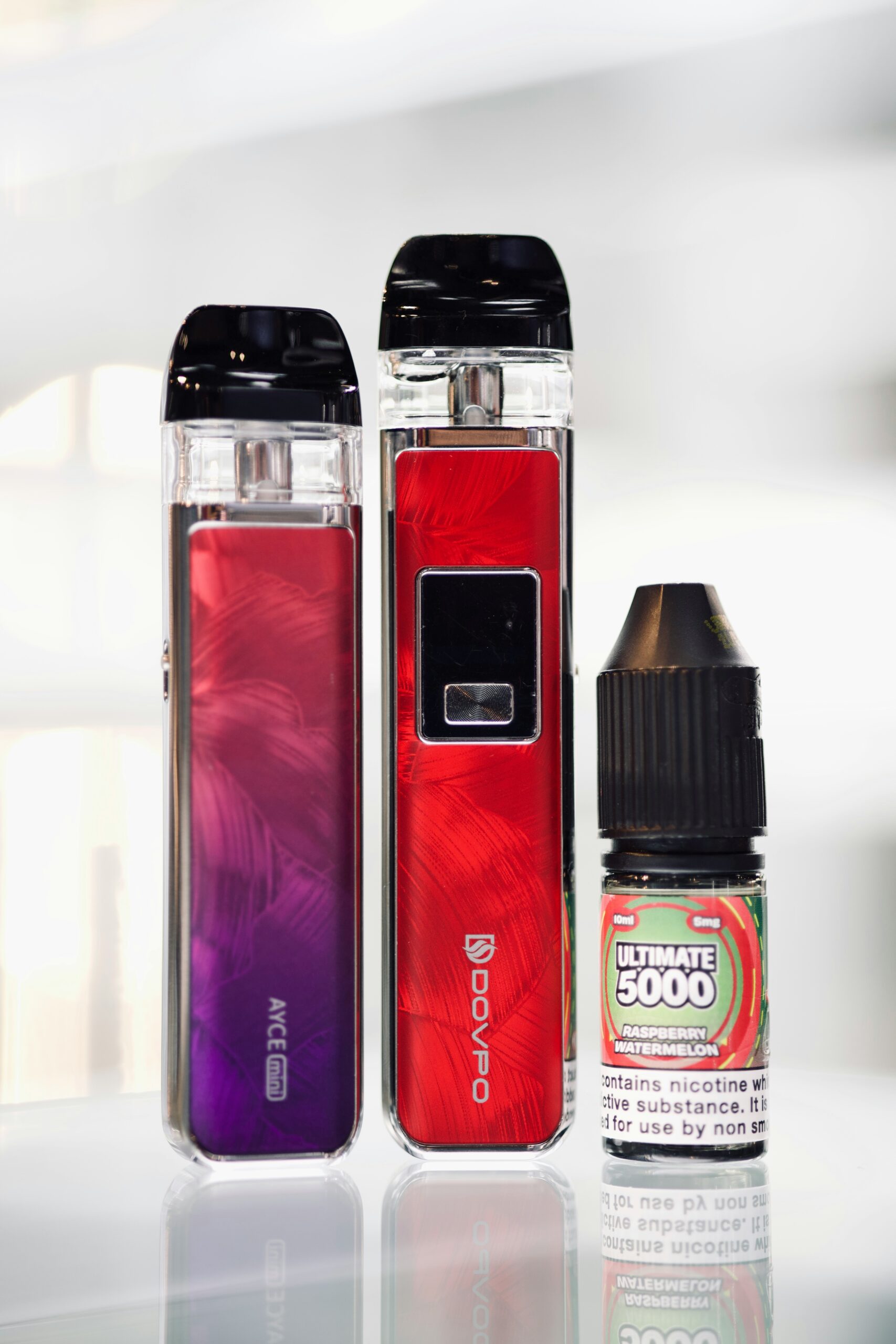
Beginner vapes are usually small and pocket-friendly. Many use a single built-in battery, keeping the design slim and lightweight.

Advanced devices, often called mods, tend to be noticeably larger. Many use one or two replaceable batteries to support higher power output.

If discretion and portability matter most to you, a beginner device is generally the more practical choice.

Vapor and Flavor Output

Beginner devices are typically tuned for mouth-to-lung vaping. This style closely resembles the draw of a cigarette, with moderate vapor.

Advanced devices are often used for direct-lung vaping instead. Higher wattage and airflow produce denser clouds and more intense flavor.

Neither is objectively better here. It depends entirely on the kind of hit and vapor volume you personally enjoy.

Beginner Vs Advanced Vape

Beginner Vs Advanced Vape: Maintenance

Beginner devices require very little upkeep. Pods are often pre-filled or simple to refill, with coils that snap in and out.

Advanced devices need more regular attention. Coil changes, e-liquid refills, and battery care all become more frequent with heavier use.

Battery Handling and Safety

Beginner devices use a sealed, built-in battery. There’s nothing to swap out, which simplifies charging and reduces handling risk.

Advanced mods often use removable batteries, commonly 18650 or 21700 cells. According to the Consumer Product Safety Commission, damaged or mismatched lithium-ion batteries are a known source of overheating and fire risk.

If you go the advanced route, learning proper battery handling isn’t optional, it’s a genuine safety requirement.

Beginner Vs Advanced Vape

Cost Over Time

Beginner devices usually cost less upfront. Pods and simple coils are typically inexpensive to replace as needed.

Advanced setups can cost more initially, but heavy users sometimes find them more economical over time due to bulk e-liquid and coil use.

Beginner Vs Advanced Vape: Which Should You Start With?

If you’re new to vaping, starting simple is almost always the better move. A beginner device lets you learn the basics first.

If you’ve been vaping a while and want more control over flavor, clouds, or customization, an advanced device may be worth exploring.

Frequently Asked Questions

Can a beginner device eventually feel limiting?
Yes, for some users. As preferences develop, many people eventually explore more customizable advanced options.

Are advanced vapes harder to maintain safely?
They require more attention, particularly around battery handling, but aren’t inherently unsafe with proper care.

Is it okay to jump straight into an advanced device?
It’s possible, but understanding wattage, airflow, and battery safety first is strongly recommended.

Not sure whether to start simple or go advanced? Get in touch with our team and we’ll help you figure out the right fit.

Back to Top
error: Content is protected !!
Product has been added to your cart
Compare (0)