Home
Shop
Wishlist0
ONE DAY. ONE EXCLUSIVE DISCOUNT. 25% DISCOUNT. EVERY TUESDAY.
Vape Terminology Explained

Vape Terminology Explained

Vape terminology explained simply means breaking down the confusing shorthand into plain, practical language. Knowing these terms makes shopping and troubleshooting far easier.

This guide covers the terms you’ll run into most often, grouped by what they actually describe. Once you know the basics, our shop makes a lot more sense to browse.

Vape Terminology Explained: The Core Hardware

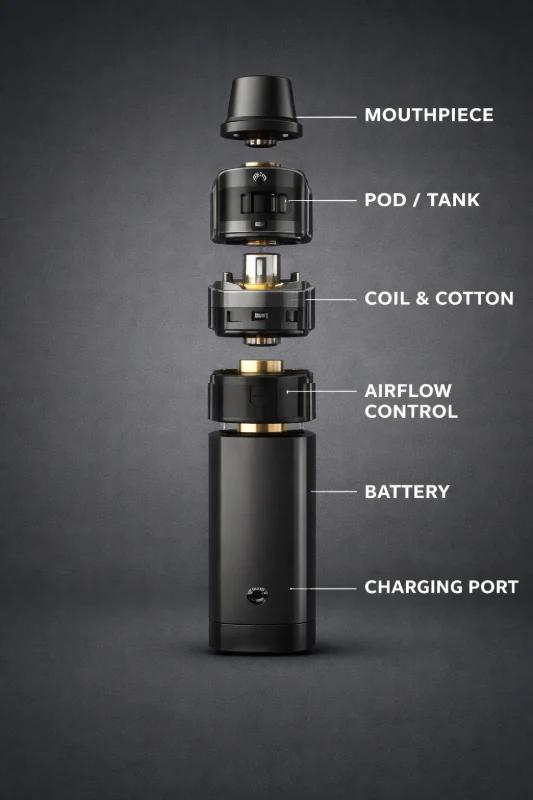
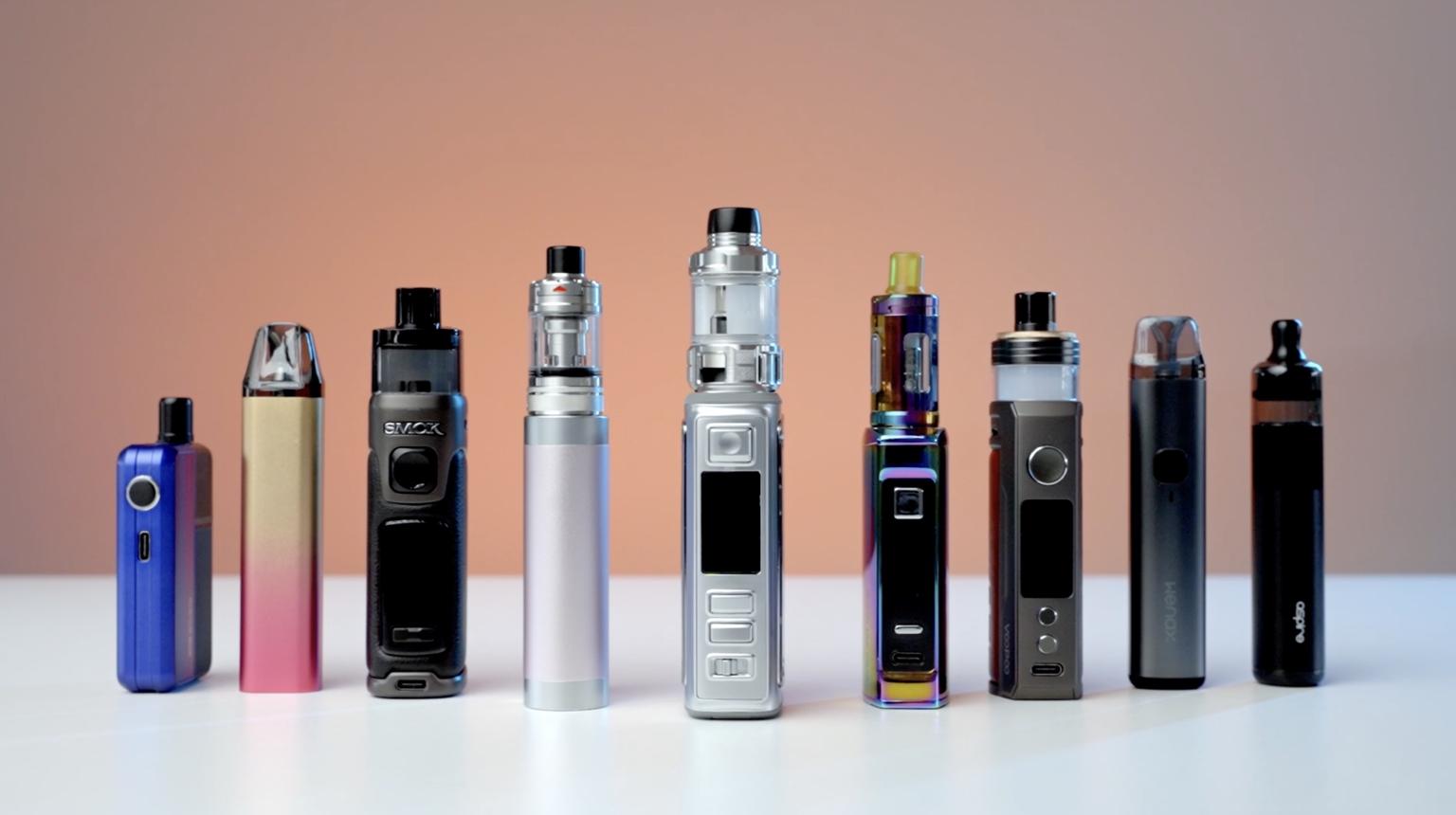
Atomizer refers to the heating component inside a device. It’s what actually turns e-liquid into vapor.

Coil is the wire inside the atomizer that heats up. Most coils are made from metals like Kanthal or nichrome.

Wick is the material, usually cotton, wrapped around the coil. It absorbs e-liquid and feeds it to the coil.

Mod refers to the battery and control unit of a device, often used for larger, more customizable setups.

Vape Terminology Explained

E-Liquid Terms Worth Knowing

PG (propylene glycol) and VG (vegetable glycerin) are the two main base ingredients in e-liquid. According to the FDA, these are standard components found in most vaping products, alongside nicotine and flavorings.

PG generally carries flavor more sharply and produces a stronger throat hit. VG produces thicker vapor and a smoother feel.

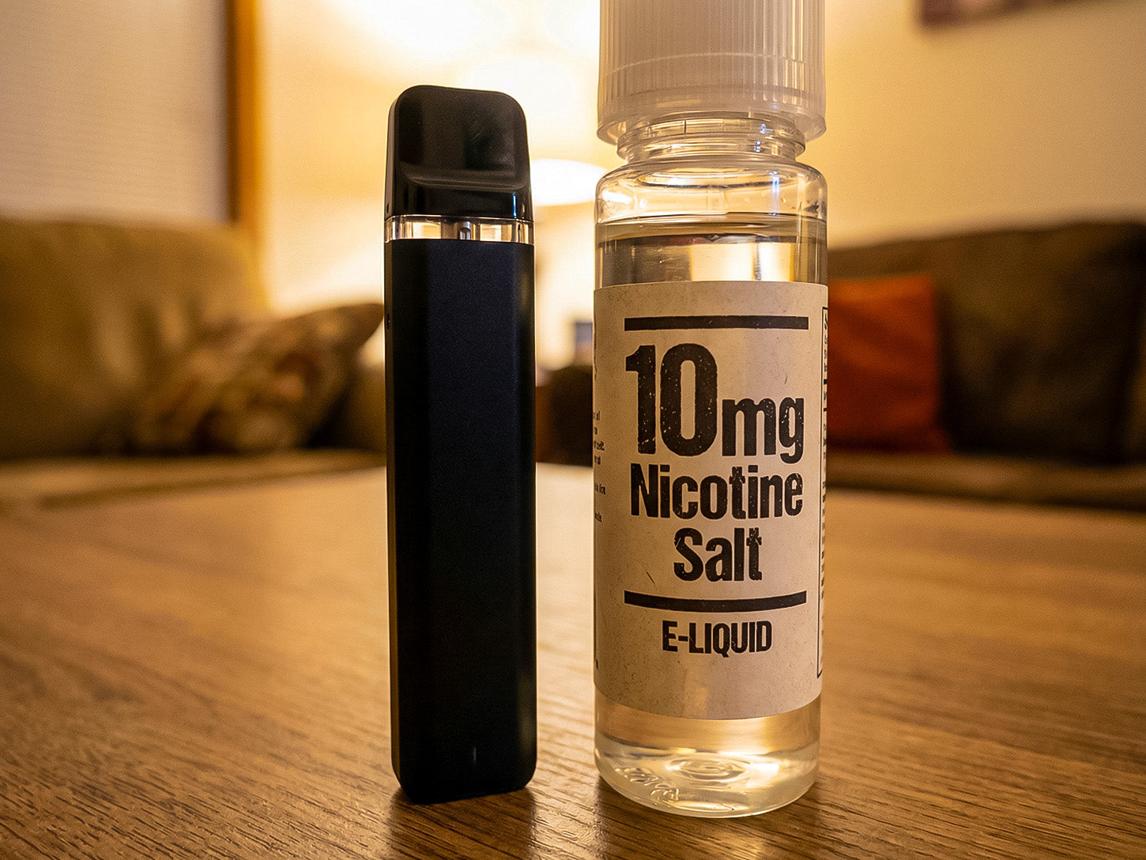
Nicotine salt is a form of nicotine that absorbs more smoothly at higher strengths, common in disposable vapes.

Freebase nicotine is the more traditional form, often used at lower strengths due to its harsher feel.

Vape Terminology Explained: Battery and Power Terms

mAh (milliamp-hours) measures battery capacity. A higher number generally means the battery lasts longer between charges.

Ohms measure a coil’s electrical resistance. Lower resistance, often called sub-ohm, produces more vapor and heat.

Wattage refers to the power delivered to the coil. Higher wattage generally means more vapor and a warmer hit.

Vape Terminology Explained

Draw and Inhale Style Terms

MTL (mouth-to-lung) describes a tighter draw, similar to smoking a cigarette. Vapor is held briefly in the mouth first.

DTL (direct-to-lung) describes a looser, airier draw, inhaled straight into the lungs, typically producing bigger clouds.

Auto draw or draw-activated describes a device that fires automatically when you inhale, with no button needed.

Vape Terminology Explained: Common Problem Terms

Dry hit describes a harsh, burnt-tasting puff caused by a coil heating without enough e-liquid present.

Flooding happens when too much e-liquid saturates the coil, often causing gurgling or leaking.

Priming refers to saturating a new coil’s wick with e-liquid before first use, which helps prevent an early dry hit.

Device Type Terms

Disposable refers to a single-use device, pre-filled and pre-charged, discarded once it’s finished.

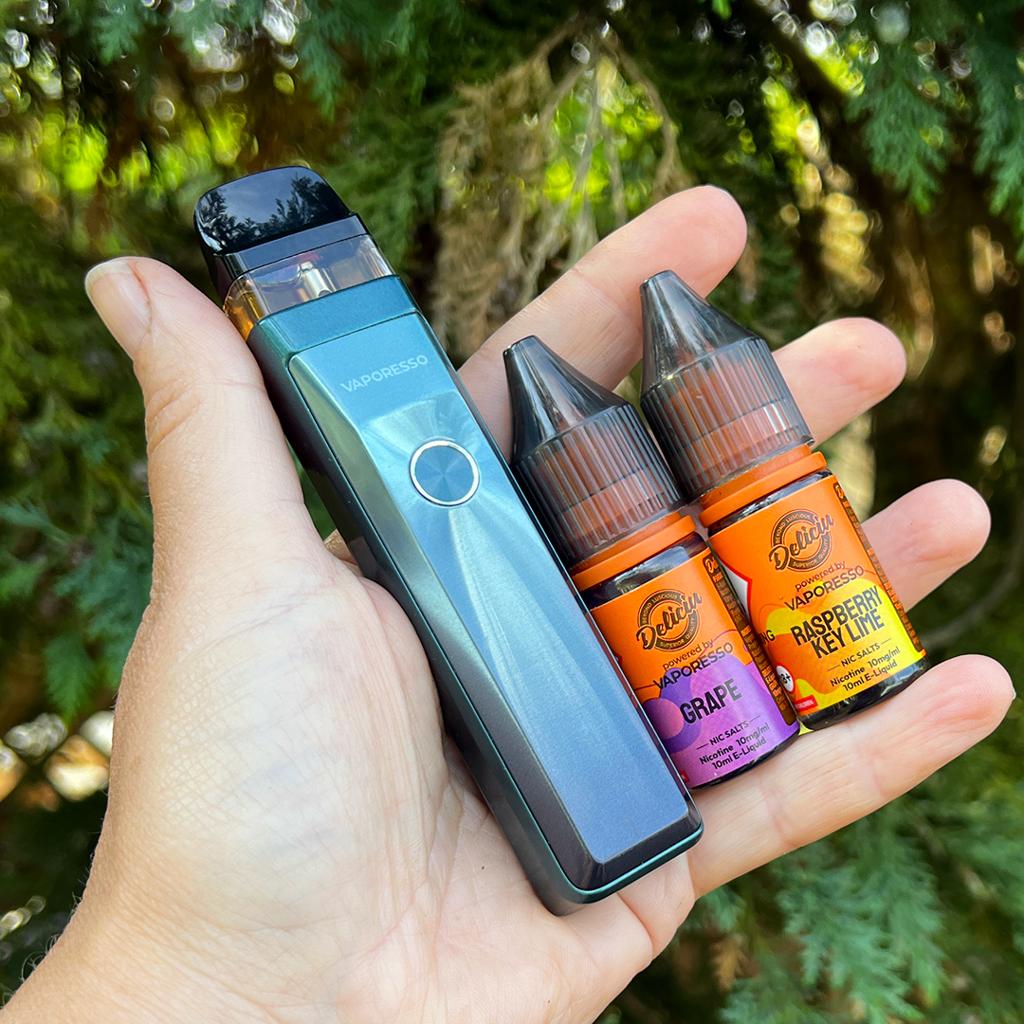
Pod system uses a small, often refillable cartridge called a pod instead of a full-size tank.

Mesh coil describes a flat, perforated heating element, generally producing fuller vapor than a traditional spiral wire coil.

Frequently Asked Questions

Do I need to know all these terms to start vaping?
No. A handful of basics, like coil, e-liquid, and puff count, are usually enough for casual use.

Is nicotine salt stronger than freebase nicotine?
Not inherently. It simply absorbs differently, allowing higher strengths to feel smoother.

What’s the difference between a mod and a disposable?
A mod is a reusable, customizable device, while a disposable is single-use and pre-configured.

Still running into unfamiliar terms? Get in touch with our team and we’ll help you make sense of it.

How Is Nicotine Strength Measured in Vapes

How Is Nicotine Strength Measured in Vapes?

How is nicotine strength measured in vapes comes down to two formats: milligrams per milliliter and percentage. Both describe the exact same thing, just scaled differently.

This guide breaks down what these numbers actually mean and how to convert between them. In fact, once you understand the math, comparing products becomes much easier. Our shop carries a range of strengths clearly labeled in both formats.

How Is Nicotine Strength Measured in Vapes: mg/mL Explained

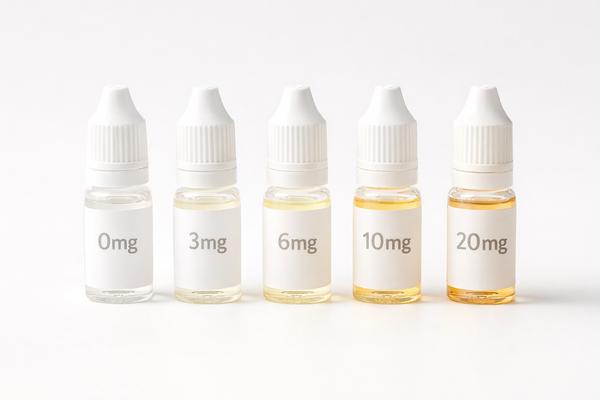
Milligrams per milliliter, written as mg/mL, measures how much nicotine sits in every milliliter of e-liquid. For example, a 20 mg/mL liquid contains 20 milligrams of nicotine per milliliter.

This format is common on freebase nicotine e-liquids. Additionally, it has traditionally been the standard labeling method across the industry.

How Is Nicotine Strength Measured in Vapes

Percentage Format Explained

Percentage strength expresses the same concentration differently, based on grams of nicotine per 100 milliliters of liquid.

To convert mg/mL to a percentage, simply divide by 10. For instance, a 20 mg/mL liquid equals 2%, while a 50 mg/mL liquid equals 5%.

To go the other direction, multiply the percentage by 10. Overall, this conversion works the same way regardless of nicotine type.

How Is Nicotine Strength Measured in Vapes for Nicotine Salts?

Nicotine salt e-liquids, common in disposable vapes, often use percentages rather than mg/mL on their labels.

However, the underlying math stays identical to freebase nicotine. In other words, a 5% nicotine salt liquid still equals 50 mg/mL, just expressed differently.

Percentages have become more common as nicotine salt disposables have grown in popularity, particularly at higher strengths.

Why the Two Formats Coexist

Historically, mg/mL was the standard across most e-liquid packaging. Meanwhile, percentages became more common as regulations and higher-strength salt products expanded.

Some regions also favor one format over the other in labeling conventions, which partly explains why you’ll see both used interchangeably today.

Regulatory Limits Vary by Region

The European Union’s Tobacco Products Directive caps nicotine-containing e-liquid at 20 mg/mL, equivalent to 2%, across all member states.

By contrast, the United States currently has no equivalent federal concentration cap. As a result, higher strengths, like 5%, remain more commonly available there.

Therefore, checking your region’s regulations is worth doing if you’re purchasing internationally or making your own e-liquid.

How Is Nicotine Strength Measured in Vapes

How Is Nicotine Strength Measured in Vapes: A Quick Conversion Reference

Use this simple reference to move between formats:

  • 10 mg/mL equals 1%
  • 20 mg/mL equals 2%
  • 30 mg/mL equals 3%
  • 50 mg/mL equals 5%
  • Formula: mg/mL ÷ 10 = percentage, and percentage × 10 = mg/mL

What the Number Doesn’t Tell You

A concentration number describes the liquid itself, not how much nicotine you personally absorb per puff.

Instead, device type, puff duration, and your own habits all affect actual nicotine intake, regardless of the labeled strength.

Frequently Asked Questions

Is 5% the same as 50 mg/mL?
Yes. They represent the exact same nicotine concentration, just expressed in different units.

Does the conversion formula work the same for all e-liquid types?
Yes. The mg/mL to percentage conversion applies equally to freebase nicotine and nicotine salts.

Why do some countries cap nicotine strength at 20 mg/mL?
Regulations like the EU‘s Tobacco Products Directive set this as a maximum concentration for consumer e-liquid products.

So, if you’re still unsure how a specific strength compares to what you’re used to, get in touch with our team and we’ll help you figure it out.

GnaHtxHKv3TBps2eVvoBawRwgSGWOUWOnb9INkSl0gVev5svzOZ5iehphJWN8gglaQT3yWu7aYMe7PUBQB6t8w SYzRAnDoKsxeVPDEC AkTLpQvSRIc1nALburgIe1dO0sHzuMsfIrdL8HF98Ol9AipGQJnxVlD5WJyhHeWsXY

Best Disposable Vapes for Everyday Use

Best disposable vapes for everyday use share a few practical traits: reliable battery life, consistent flavor, and a size that fits easily into daily routines. Everyday use has different priorities than occasional vaping.

This guide breaks down what actually matters for daily reliability, using real examples where relevant. Our shop carries devices built for regular use.

Best Disposable Vapes for Everyday Use: Battery Life Comes First

Daily use puts real demands on a battery. A device that dies early forces frequent replacements and interrupts your routine.

The WAKA Blast 36000 Puffs pairs a large battery with USB-C recharging, which is the kind of setup that supports consistent daily use without early battery failure.

According to Anker‘s guidance on battery capacity, a higher mAh rating generally allows a battery to sustain output for longer, which matters most for devices used repeatedly throughout the day.

Best Disposable Vapes for Everyday Use

Consistent Flavor Matters More for Daily Use

Occasional users may not notice minor flavor dips. Daily users notice immediately, since they’re relying on the device far more often.

A device with well-saturated wicking and a properly matched coil tends to hold flavor consistency better over extended daily use.

Best Disposable Vapes for Everyday Use: E-Liquid Capacity

Daily vapers go through e-liquid faster than occasional users. A larger reservoir means fewer replacements over the course of a week or month.

Larger-format devices, like the Teds Barz 2G Disposable Vape Pen, hold significantly more e-liquid than standard-sized disposables, which suits frequent daily use well.

Portability Still Matters for Daily Routines

Even with higher capacity, a device still needs to fit comfortably into a pocket or bag for regular use throughout the day.

Balancing capacity with reasonable size is often more practical for daily use than choosing the single largest device available.

Best Disposable Vapes for Everyday Use

Best Disposable Vapes for Everyday Use: Coil Technology

Mesh coils generally hold up better under frequent daily use, since their larger surface area distributes heat more evenly over time.

This can mean a longer stretch of consistent flavor and vapor output before any noticeable decline, compared to older wire-coil designs.

Cost Per Puff Adds Up With Daily Use

Since daily vapers go through devices more often, cost per puff matters more here than for occasional users.

Calculating price divided by puff count gives a clearer sense of long-term value than comparing sticker prices between devices.

What to Prioritize for Daily Reliability

A few features consistently support better everyday performance:

  • A rechargeable battery with a USB-C port
  • Mesh coil technology for consistent flavor
  • E-liquid capacity that matches your daily habits
  • A comfortable, well-sealed mouthpiece
  • Clear puff count and nicotine labeling

Frequently Asked Questions

Should daily users always choose the highest puff count available?
Not necessarily. Matching capacity to actual daily habits usually makes more sense than maximizing puff count alone.

Does a rechargeable device really matter for daily use?
Yes. It generally helps you reach the device’s full advertised capacity rather than losing charge early.

Is a larger device always better for everyday use?
Not always. Balancing capacity with comfortable portability tends to work best for consistent daily use.

Looking for something built for daily reliability? Get in touch with our team and we’ll help you find the right fit.

How Many Cigarettes Is One Disposable Vape?

How Many Cigarettes Is One Disposable Vape?

How Many Cigarettes Is One Disposable Vape? This question sounds straightforward, but there isn’t one universal cigarette equivalent for every disposable vape. Different devices contain different amounts of e-liquid and nicotine, while individual vaping habits also vary considerably.

For example, one disposable vape may contain substantially more e-liquid than another device, even when both products look similar. Likewise, nicotine concentration can differ between products. Therefore, comparing devices solely by advertised puff count can produce misleading results.

Furthermore, a cigarette and a vape deliver nicotine differently. A cigarette contains tobacco and burns it to create smoke, whereas a vape heats an e-liquid formulation to create an aerosol. Consequently, a direct one-to-one comparison doesn’t accurately describe every user’s nicotine exposure.

So, How Many Cigarettes Is One Disposable Vape? The most useful answer requires looking at the device’s nicotine concentration, e-liquid volume, and stated specifications rather than relying on puff count alone.

This guide explains How Many Cigarettes Is One Disposable Vape?, how people estimate cigarette equivalents, why estimates vary, and what information provides a more meaningful comparison.


Article Summary

In this guide, you’ll discover:

  • Why disposable vapes don’t have one fixed cigarette equivalent
  • How nicotine concentration affects comparisons
  • Why advertised puff counts don’t equal cigarette counts
  • How e-liquid volume affects the calculation
  • Why individual usage changes nicotine exposure
  • Why vape and cigarette comparisons require caution

In This Guide You’ll Learn

  • How Many Cigarettes Is One Disposable Vape?
  • How to read nicotine information on vape packaging
  • Why puff counts don’t provide an exact cigarette equivalent
  • How e-liquid capacity influences comparisons
  • Why nicotine absorbed by the body can differ from the amount contained in a product

Table of Contents

  • Why Is It Difficult to Compare Vapes and Cigarettes?
  • How Nicotine Content Affects the Comparison
  • What Does Nicotine Concentration Mean?
  • Why Puff Count Doesn’t Equal Cigarette Count
  • How E-Liquid Volume Changes the Estimate
  • How to Calculate the Nicotine Content of a Vape
  • Why Absorbed Nicotine Differs From Total Nicotine
  • Why Vaping Habits Matter
  • Can a 5% Vape Equal Hundreds of Cigarettes?
  • Common Mistakes When Comparing Vapes and Cigarettes
  • Recommended Vape Collections
  • Frequently Asked Questions
  • Key Takeaways
  • Conclusion

Why Is It Difficult to Compare Vapes and Cigarettes?

The question How Many Cigarettes Is One Disposable Vape? becomes complicated because the two products use fundamentally different delivery systems.

Different Product Formats

A cigarette contains tobacco and produces smoke through combustion.

A vape, meanwhile, heats an e-liquid formulation to produce an aerosol. Therefore, the nicotine delivery process doesn’t operate in exactly the same way.

Different Nicotine Amounts

Disposable vapes can contain different e-liquid volumes and nicotine concentrations.

Consequently, two disposable vapes with similar advertised puff counts may contain different total amounts of nicotine.

Different User Behaviour

People take different puff lengths and frequencies.

Therefore, the amount of nicotine a person actually absorbs can vary significantly between users.


How Nicotine Content Affects the Comparison

Nicotine content provides a more useful starting point than puff count alone.

Total Nicotine

A vape’s total nicotine content depends primarily on its e-liquid volume and nicotine concentration.

For example, if a device contains 10 mL of e-liquid at 50 mg/mL nicotine, the theoretical nicotine content in the liquid would be:

10 mL × 50 mg/mL = 500 mg nicotine

However, this does not mean that the user absorbs all 500 mg.

The calculation describes the nicotine contained in the e-liquid, not the amount that reaches the bloodstream.

Why the Distinction Matters

Cigarettes also contain more nicotine than the body ultimately absorbs from smoking them.

Therefore, comparing the total nicotine contained in a vape directly with nicotine absorbed from cigarettes can create an inaccurate equivalence.


What Does Nicotine Concentration Mean?

Nicotine concentration describes how much nicotine exists within a specific amount of e-liquid.

Milligrams Per Millilitre

Manufacturers may express nicotine concentration as mg/mL.

For example:

  • 20 mg/mL = 20 mg nicotine per millilitre
  • 30 mg/mL = 30 mg nicotine per millilitre
  • 50 mg/mL = 50 mg nicotine per millilitre

Percentage Notation

Some products display nicotine strength as a percentage.

For example, a 5% nicotine concentration commonly corresponds to approximately 50 mg/mL.

However, always rely on the product’s actual labeling because formulations and labeling conventions can differ between markets.

Concentration vs. Total Amount

Concentration tells you how strong the e-liquid is, while total nicotine depends on both concentration and e-liquid volume.

Therefore, you need both figures to estimate the total nicotine contained in a device.


Why Puff Count Doesn’t Equal Cigarette Count

One of the biggest mistakes people make when asking How Many Cigarettes Is One Disposable Vape? involves comparing advertised puffs directly with cigarette counts.

Cigarettes Have Different Puff Patterns

A cigarette typically involves multiple puffs, but users don’t necessarily take identical draws.

Likewise, vape users can take short, long, frequent, or occasional puffs.

Vape Puff Estimates Vary

Manufacturers usually advertise an estimated puff count under particular testing conditions.

Actual performance can differ according to draw length, airflow, device design, and usage patterns.

Therefore, Puff Counts Aren’t Exact Equivalents

A device advertised at a particular number of puffs doesn’t automatically equal a specific number of cigarettes.

Consequently, use puff count as a product specification rather than a direct nicotine-equivalence measurement.


How E-Liquid Volume Changes the Estimate

E-liquid volume plays an important role when assessing How Many Cigarettes Is One Disposable Vape?

Larger E-Liquid Capacity

A device with more e-liquid can contain more total nicotine when the nicotine concentration remains the same.

For example, doubling the e-liquid volume while maintaining the same nicotine concentration also doubles the total nicotine contained in the liquid.

Smaller E-Liquid Capacity

A smaller device can contain considerably less total nicotine, even when it uses the same nicotine concentration.

Therefore, nicotine strength alone doesn’t tell you the total amount present.


How to Calculate the Nicotine Content of a Vape

You can estimate the total nicotine contained in e-liquid using a simple calculation:

E-liquid volume × nicotine concentration = total nicotine

For example:

8 mL × 20 mg/mL = 160 mg total nicotine

Again, this represents the nicotine contained in the e-liquid. It doesn’t tell you exactly how much nicotine your body will absorb.

Why This Calculation Helps

The calculation allows you to compare products based on their labeled specifications.

Consequently, it provides more useful information than simply comparing advertised puff counts.


How Many Cigarettes Is One Disposable Vape?

Why Absorbed Nicotine Differs From Total Nicotine

The question How Many Cigarettes Is One Disposable Vape? cannot be answered accurately from total nicotine content alone.

Not All Nicotine Gets Absorbed

The amount contained in a product differs from the amount that ultimately reaches the bloodstream.

This applies to both cigarettes and vaping products.

Individual Differences Matter

Puff duration, inhalation technique, frequency of use, and device characteristics can all affect nicotine delivery.

Therefore, two people using the same vape can experience different nicotine exposure.

Product Design Also Matters

Heating technology, airflow, nicotine formulation, and other characteristics can influence aerosol production and nicotine delivery.

Consequently, labeled nicotine content should not serve as a precise prediction of individual intake.


Why Vaping Habits Matter

Your personal usage pattern can significantly affect any cigarette comparison.

Longer Puffs

Longer draws can consume more e-liquid per puff than shorter draws.

More Frequent Use

Using a vape repeatedly throughout the day can increase overall nicotine consumption.

Different Devices

Two devices with similar specifications can produce different experiences because of differences in heating systems and airflow.

Therefore, How Many Cigarettes Is One Disposable Vape? depends partly on how the device is actually used.


Can a 5% Vape Equal Hundreds of Cigarettes?

A 5% nicotine label alone cannot establish an exact cigarette equivalent.

A 5% product generally indicates a high nicotine concentration, but you still need the e-liquid volume to calculate the total nicotine contained in the device.

Furthermore, total nicotine contained in the e-liquid doesn’t equal nicotine absorbed by the user.

Therefore, claims that a particular 5% disposable vape automatically equals a specific number of cigarettes can oversimplify the comparison.


Common Mistakes When Comparing Vapes and Cigarettes

Using Puff Count Alone

Puff counts don’t provide a reliable direct cigarette equivalent.

Confusing Total and Absorbed Nicotine

The amount contained in a product isn’t the same as the amount the body absorbs.

Ignoring E-Liquid Volume

Nicotine concentration without e-liquid volume doesn’t reveal the total nicotine content.

Assuming Every User Gets the Same Exposure

Individual vaping patterns vary considerably.

Treating Estimates as Exact

Any cigarette-equivalent estimate should remain an approximation rather than a precise measurement.


Recommended Vape Collections

For adults researching different vape products, reviewing the listed specifications can help you compare devices more carefully.

How Many Cigarettes Is One Disposable Vape?

How Many Cigarettes Is One Disposable Vape? There is no single answer because disposable vapes differ in e-liquid capacity, nicotine concentration, device design, and puff characteristics.

Therefore, any cigarette-equivalent figure should remain an estimate rather than an exact conversion.

Is one disposable vape equal to one pack of cigarettes?

Not necessarily.

A disposable vape can contain substantially different amounts of nicotine depending on its specifications. Consequently, you cannot reliably determine that every disposable vape equals one particular number of cigarette packs.

How many cigarettes are in a 5% disposable vape?

A 5% nicotine concentration alone cannot determine a cigarette equivalent.

For example, you also need the device’s e-liquid volume to calculate its total nicotine content. Furthermore, the amount absorbed by the body differs from the total amount contained in the e-liquid.

How do I calculate the nicotine in a disposable vape?

Multiply the e-liquid volume by the nicotine concentration:

E-liquid volume × nicotine concentration = total nicotine

For example, a device containing 10 mL of e-liquid at 50 mg/mL contains 500 mg of nicotine in the e-liquid.

However, this doesn’t mean that the user absorbs all 500 mg.

Does puff count tell me how many cigarettes a vape equals?

No.

Manufacturers typically provide estimated puff counts based on particular testing conditions. Actual puff counts can change according to draw length, frequency, airflow, and device characteristics.

Therefore, puff count doesn’t provide an exact cigarette equivalent.

Why do some people say a disposable vape equals hundreds of cigarettes?

These claims often come from comparing the total nicotine contained in a vape with an assumed amount of nicotine associated with cigarettes.

However, such comparisons can oversimplify nicotine delivery. How Many Cigarettes Is One Disposable Vape? requires consideration of both product specifications and actual nicotine absorption.

Does vaping deliver the same nicotine as smoking?

Not necessarily.

Nicotine delivery can vary according to the device, e-liquid formulation, puffing behaviour, and individual use.

Therefore, a simple one-to-one comparison doesn’t accurately represent every vaping or smoking experience.

Does a larger disposable vape always contain more nicotine?

Not automatically.

A larger device may contain more e-liquid, but nicotine concentration also determines the total nicotine content.

Consequently, compare both e-liquid volume and nicotine concentration rather than judging a device by physical size.

Can two disposable vapes with the same puff count contain different amounts of nicotine?

Yes.

Two devices can advertise similar puff counts while using different e-liquid volumes or nicotine concentrations.

Therefore, the advertised puff count doesn’t establish identical nicotine content.

Is the nicotine in a vape the same as the nicotine in cigarettes?

The nicotine molecule itself remains nicotine, but the products deliver it through different mechanisms.

Cigarettes burn tobacco, while vapes heat e-liquid to produce an aerosol. Consequently, nicotine delivery can differ between the two products.


How to Compare a Disposable Vape With Cigarettes

When asking How Many Cigarettes Is One Disposable Vape?, start with the information printed on the product.

Step 1: Check the E-Liquid Volume

Look for the amount of e-liquid, usually expressed in millilitres.

For example, a product might contain 5 mL, 10 mL, or another stated volume.

Step 2: Check the Nicotine Concentration

Next, identify the nicotine concentration.

Manufacturers may express this figure in mg/mL or as a percentage.

Step 3: Calculate Total Nicotine

Multiply the two values:

Volume × concentration = total nicotine

This calculation gives you the approximate amount of nicotine contained in the e-liquid.

Step 4: Avoid Treating the Result as Absorbed Nicotine

The calculation doesn’t tell you exactly how much nicotine reaches your bloodstream.

Therefore, don’t convert the result directly into an exact number of cigarettes.

Step 5: Consider Usage

Your vaping frequency and puff duration can change your nicotine exposure.

Consequently, two people can use the same device while receiving different amounts of nicotine.


Why Cigarette Equivalency Estimates Vary

The question How Many Cigarettes Is One Disposable Vape? produces different answers because several variables influence the comparison.

Nicotine Concentration

Higher nicotine concentrations increase the amount of nicotine contained in each millilitre of e-liquid.

E-Liquid Capacity

More e-liquid generally means more total nicotine when concentration remains constant.

Device Performance

Heating systems and airflow can influence aerosol production and nicotine delivery.

Puff Duration

Longer puffs can consume more e-liquid than shorter puffs.

Usage Frequency

Someone who takes frequent puffs throughout the day can experience greater overall exposure than someone who uses the same device occasionally.

Individual Differences

Nicotine absorption varies between individuals.

Therefore, a cigarette-equivalent number cannot accurately predict the experience of every user.


Understanding Puff Counts

Puff counts often appear prominently on disposable vape packaging, but they require careful interpretation.

Advertised Puff Counts Are Estimates

A manufacturer’s stated puff count generally reflects testing conditions rather than a guaranteed number of identical real-world puffs.

Puff Length Changes Consumption

Longer draws can consume more e-liquid per puff.

Consequently, someone taking longer draws may finish a device faster than someone taking shorter draws.

Airflow Also Matters

Different airflow configurations can affect the amount of aerosol produced.

Therefore, two devices with similar advertised capacities can perform differently.


Important Nicotine Considerations

Understanding How Many Cigarettes Is One Disposable Vape? also requires understanding nicotine itself.

Nicotine Is Addictive

Nicotine can cause dependence.

Therefore, people who don’t currently use tobacco or nicotine products should not begin using them.

Keep Nicotine Products Away From Children

Nicotine-containing e-liquids can pose serious poisoning risks, particularly for children.

Consequently, keep vape products and e-liquids securely away from children and pets.

Don’t Assume a “Cigarette Equivalent” Is a Safe Amount

A numerical comparison doesn’t establish safety.

Whether a vape contains the equivalent of several cigarettes or substantially more nicotine, the figure shouldn’t serve as a recommended consumption level.

Follow Product Labels

Always check the product’s nicotine concentration and other specifications.

Furthermore, follow applicable laws and age restrictions in your location.


Why a Simple Cigarette Conversion Can Mislead

A question such as How Many Cigarettes Is One Disposable Vape? naturally encourages people to search for one number.

However, that approach can create a false sense of precision.

A vape’s total nicotine content, for example, doesn’t equal its absorbed nicotine. Likewise, advertised puff counts don’t represent identical inhalations. Individual behaviour also changes nicotine exposure.

Therefore, instead of asking for one universal conversion, examine the e-liquid volume, nicotine concentration, device specifications, and usage pattern.

This approach provides a more meaningful understanding of the product without presenting an inaccurate cigarette-equivalent figure.


Key Takeaways

  • How Many Cigarettes Is One Disposable Vape? has no universal answer.
  • Disposable vapes vary in e-liquid volume and nicotine concentration.
  • A 5% nicotine concentration alone doesn’t establish a cigarette equivalent.
  • Calculate total nicotine by multiplying e-liquid volume by nicotine concentration.
  • Total nicotine contained in e-liquid isn’t the same as nicotine absorbed by the body.
  • Advertised puff counts don’t provide an exact cigarette conversion.
  • Longer and more frequent puffs can change nicotine exposure.
  • Two devices with similar puff counts can contain different amounts of nicotine.
  • Nicotine can cause dependence.
  • Keep nicotine products away from children and pets.
  • Finally, treat cigarette-equivalent estimates as approximate comparisons rather than precise measurements or consumption recommendations.

Conclusion

How Many Cigarettes Is One Disposable Vape? doesn’t have a single reliable answer. Disposable vapes differ substantially in e-liquid volume, nicotine concentration, device design, and advertised puff count. At the same time, individual vaping behaviour can significantly affect nicotine exposure.

Furthermore, calculating the total nicotine contained in a disposable vape provides useful product information, but it doesn’t tell you exactly how much nicotine your body will absorb. For that reason, multiplying e-liquid volume by nicotine concentration should remain a way to understand the product’s labeled nicotine content rather than a direct cigarette conversion.

When comparing a vape with cigarettes, consider the complete picture. Check the e-liquid volume, identify the nicotine concentration, review the manufacturer’s specifications, and remember that puff length and frequency influence actual use.

Ultimately, How Many Cigarettes Is One Disposable Vape? should be treated as a comparison question rather than a search for one universal number. The most accurate approach recognizes the substantial differences between products and avoids presenting an estimated cigarette equivalent as an exact measurement.

Why Is There No Airflow?

Why Is There No Airflow?

Why Is There No Airflow? A vape that suddenly feels completely blocked can become frustrating, especially when the device previously allowed you to inhale normally. In many cases, the problem comes from an obstruction somewhere along the airflow pathway. Condensation, e-liquid, lint, dust, or physical damage can all interfere with the movement of air.

Furthermore, some vape designs naturally provide a tighter draw than others. Therefore, you should compare the current airflow with the way the device performed when you first started using it. A sudden change usually deserves more attention than a device that has always felt restrictive.

If your vape provides almost no airflow at all, however, don’t try to force air through the device. Instead, inspect the accessible areas and look for obvious external causes. Consequently, you can often identify simple problems without opening or modifying the device.

Understanding Why Is There No Airflow? also helps you distinguish an airflow restriction from other problems, such as a depleted battery or an internal device fault. This guide explains the most common causes, what you can safely check, and when replacement makes more sense.


Article Summary

In this guide, you’ll discover:

  • Why a vape can suddenly lose airflow
  • How blocked mouthpieces affect inhalation
  • Why condensation can restrict airflow
  • How e-liquid can interfere with airflow
  • Why physical damage can cause blockages
  • When a vape with no airflow needs replacement

In This Guide You’ll Learn

  • Why Is There No Airflow?
  • How to identify common airflow blockages
  • What to check around the mouthpiece
  • How storage can contribute to airflow problems
  • When you should stop using a blocked vape

Table of Contents

  • What Does No Airflow Mean?
  • Why Is There No Airflow?
  • Check the Mouthpiece
  • Inspect the Airflow Openings
  • Condensation Can Block Airflow
  • E-Liquid Can Restrict Airflow
  • Physical Damage Can Affect Airflow
  • How Storage Affects it
  • What to Do When There Is No Airflow
  • Common Mistakes to Avoid
  • Recommended Vape Collections
  • Frequently Asked Questions
  • Key Takeaways
  • Conclusion

What Does No Airflow Mean?

When a vape has no airflow, you may find that you cannot inhale through the device normally.

The restriction can range from a slightly tight draw to a completely blocked mouthpiece.

Slightly Restricted Airflow

A slightly tighter draw doesn’t necessarily indicate a problem.

Some devices intentionally use restricted airflow. Therefore, compare the draw with the manufacturer’s intended design.

Suddenly Restricted

If your vape previously allowed normal airflow but suddenly becomes difficult to inhale, investigate the change.

For example, condensation, e-liquid, or debris may have entered the airflow pathway.

Completely Blocked Airflow

A completely blocked vape requires additional caution.

Don’t take extremely forceful puffs or insert objects into the device. Instead, inspect the accessible external areas first.


Why Is There No Airflow?

Several issues can explain a complete or severe airflow restriction.

Blocked Mouthpiece

The mouthpiece provides the final pathway for air and vapour.

Therefore, lint, dust, condensation, or e-liquid around this area can prevent normal airflow.

Blocked Airflow Holes

Many devices include small openings on the bottom or sides.

If these openings become covered or blocked, the device may feel completely restricted.

Excess Condensation

Vapour can cool inside the pathway and create moisture.

Consequently, condensation can gradually contribute to a tighter draw.

E-Liquid in the Airflow Pathway

E-liquid can sometimes move into areas designed primarily for airflow.

As a result, the draw may become difficult, and you may also hear gurgling or popping sounds.

Internal Damage

A drop or impact can damage internal components.

Therefore, if Why Is There No Airflow? becomes a problem immediately after physical damage, the device may have an internal fault.


Check the Mouthpiece

The mouthpiece provides one of the easiest areas to inspect.

Look for Visible Debris

Check for lint, dust, condensation, or e-liquid.

If you see moisture around the opening, wipe the exterior carefully with a clean tissue.

Don’t Insert Sharp Objects

Never use needles, pins, paper clips, or similar objects to unblock a vape.

Such tools can damage internal components and potentially create additional safety problems.

Check for Persistent Moisture

If the mouthpiece repeatedly collects liquid, the issue may involve more than simple condensation.

Therefore, don’t continue inhaling through a device that consistently sends e-liquid toward the mouthpiece.


Inspect the Airflow Openings

Openings allow air to enter the device.

Check the Exterior

Look around the base and sides of your vape for visible holes.

Make sure you aren’t accidentally covering them while holding the device.

Remove Only Visible Debris

If you can see lint or dust on the exterior, remove it gently without pushing anything inside the device.

Don’t Modify the Openings

Don’t drill, enlarge, puncture, or otherwise alter the airflow holes.

Changing the device’s structure can affect its intended operation and expose internal components.


Condensation Can Block Airflow

Condensation represents a common cause of restricted airflow.

Vapour Can Create Moisture

Warm vapour cools as it travels through the device.

As a result, small amounts of moisture can accumulate inside the mouthpiece or airflow pathway.

Wipe Accessible Moisture

If you notice visible moisture, wipe the mouthpiece and exterior carefully.

Then check whether the airflow improves.

Persistent Condensation Can Indicate Another Issue

If moisture constantly returns, particularly alongside leaking or gurgling, the device may have another problem.

Therefore, don’t assume condensation explains every case of restriction


E-Liquid Can Restrict Airflow

E-liquid can interfere when it enters the wrong part of the device.

Excess Liquid Around the Mouthpiece

If e-liquid reaches the mouthpiece, it can make inhalation unpleasant and restrict the air pathway.

Stop and inspect the device rather than repeatedly inhaling through it.

Gurgling Can Accompany the Problem

A blocked or flooded airflow pathway may produce gurgling sounds.

Consequently, no airflow combined with gurgling can indicate excess liquid around the airflow system.

Don’t Shake the Device

Shaking doesn’t reliably remove excess e-liquid.

Instead, unnecessary movement can encourage liquid to travel through the pathway.


Physical Damage Can Affect Airflow

Physical damage can change the internal structure of a vape.

Drops and Impacts

A significant impact can affect airflow channels, seals, or the casing.

Therefore, inspect the device after any major drop.

Cracks or Deformation

If the casing has cracks, dents, swelling, or other unusual changes, don’t continue using the device simply because it still appears functional.

Don’t Attempt Internal Repairs

Sealed disposable vapes contain batteries and electronic components.

Consequently, don’t open the device to repair an airflow problem.


How Storage Affects Airflow

Proper storage can help reduce airflow problems.

Avoid Extreme Heat

High temperatures can change e-liquid consistency and encourage liquid movement.

Therefore, keep your vape away from direct sunlight and hot vehicles.

Keep the Device Clean

Loose lint and debris can enter exposed openings.

Consequently, store your vape somewhere clean and protected.

Store Upright When Practical

Keeping a vape upright can help keep e-liquid positioned correctly.

Furthermore, it can reduce unnecessary movement toward the pathway.


Why Is There No Airflow?

What to Do When There Is No Airflow

If you’re still asking Why Is There No Airflow?, begin with simple external checks.

Stop Taking Forceful Puffs

Don’t try to force air through a completely blocked device.

Check the Mouthpiece

Look for visible moisture, e-liquid, lint, or debris.

Check Airflow Openings

Inspect accessible holes and make sure you aren’t covering them while using the device.

Monitor the Device

If the problem persists, don’t dismantle the vape.

Instead, follow the manufacturer’s troubleshooting instructions or replace the device when necessary.


Common Mistakes to Avoid

Using Sharp Objects

Don’t insert needles or pins into openings.

Taking Extremely Hard Puffs

Forceful inhalation won’t reliably remove an internal blockage.

Opening a Disposable Vape

Don’t cut or dismantle a sealed vape to investigate.

Ignoring Other Warning Signs

If the device has excessive heat, swelling, smoke, unusual smells, or significant damage, stop using it.

Charging a Damaged Device

Don’t connect a damaged or leaking vape to a charger.

Instead, follow the manufacturer’s battery-safety instructions.


Recommended Vape Collections

If your device continues to have a problems and has reached the end of its usable life, explore other available options.

iGet Vape Collection

https://avorrasupply.com/product-category/iget-vape

Explore the iGet collection for disposable vape options in different capacities and formats.

RELX Collection

https://avorrasupply.com/product-category/relx

Browse the RELX collection for pod-style vape options and different device configurations.

HQD Collection

https://avorrasupply.com/product-category/other-brands/hqd

Discover the HQD collection for additional disposable vape options.

Frequently Asked Questions

Why Is There No Airflow?

Why Is There No Airflow? A vape can lose it because of a blocked mouthpiece, condensation, e-liquid buildup, blocked airflow openings, physical damage, or an internal device problem.

Therefore, inspect the accessible parts first and compare the current draw with the device’s normal airflow.

Why is my disposable vape completely blocked?

A completely blocked disposable vape may have condensation, e-liquid, debris, or an internal problem.

If the blockage appeared suddenly, especially after leaking or physical damage, don’t forcefully inhale through the device.

Can condensation cause no airflow?

Yes.

Condensation can accumulate inside the mouthpiece or pathway and restrict the movement of air. Consequently, a device that previously worked normally may suddenly develop a tight or blocked draw.

Can e-liquid block my vape airflow?

Yes.

E-liquid can enter the airflow pathway and interfere with normal air movement. Furthermore, excess liquid can produce gurgling or popping sounds.

Why Is There No Airflow after my vape starts leaking?

A leak can move e-liquid into areas that should primarily carry air.

As a result, the pathway may become restricted. If leakage continues, stop using the device and follow the manufacturer’s guidance.

Can a blocked airflow mean my vape is empty?

Not necessarily.

An empty vape can stop producing vapour, but it doesn’t automatically create a completely blocked airflow. Therefore, consider battery, e-liquid, and device condition separately.

Should I blow hard into a blocked vape?

Avoid forcing air through a severely restricted device.

Instead, check the mouthpiece and visible airflow openings for obvious external obstructions. Don’t attempt to force internal components into place.

Can I use a needle to clear vape airflow?

No.

Don’t insert needles, pins, paper clips, or other sharp objects into the mouthpiece or openings. These objects can damage internal components.

Why does my vape have no airflow but still lights up?

The LED can indicate that the device detects an attempted activation, but a blocked pathway may prevent normal inhalation.

Therefore, an illuminated LED doesn’t necessarily mean that the system works correctly.

When should I replace a vape with no airflow?

If the airflow remains completely blocked after basic external checks, or if the device also leaks, becomes unusually hot, shows physical damage, or develops other abnormal behaviour, replacement may be appropriate.


How to Restore Normal Airflow

If you’re still wondering Why Is There No Airflow?, start with simple checks rather than attempting internal repairs.

Check the Mouthpiece

Inspect the mouthpiece for visible condensation, e-liquid, lint, or debris.

If you see moisture, gently wipe the accessible exterior with a clean tissue.

Check the Airflow Holes

Look around the base and sides of the device for visible openings.

Make sure your fingers aren’t covering them during use.

Keep the Device Upright

Place the vape upright in a clean, dry location.

Furthermore, allowing the device to remain undisturbed can help prevent unnecessary e-liquid movement through the pathway.

Allow Condensation to Clear

If condensation appears to cause the restriction, give the device time to settle before testing it again.

Don’t insert anything into the pathway to accelerate the process.

Follow Manufacturer Instructions

Different vape designs use different systems.

Therefore, use the manufacturer’s troubleshooting instructions for your particular model whenever available.


When No Airflow Means You Should Replace Your Vape

A restricted draw doesn’t always mean that your vape requires replacement. However, persistent problems can indicate that the device has reached the end of its usable life.

Persistent Complete Blockage

If Why Is There No Airflow? remains a problem after checking the accessible areas, the device may have an internal obstruction or component fault.

Don’t dismantle a sealed disposable vape to investigate.

Airflow Problems With Leakage

If the device has no airflow and continues leaking e-liquid, stop using it.

Persistent leakage can indicate a problem with the reservoir, seals, or internal system.

Airflow Problems With Excessive Heat

A blocked draw combined with unusual heat deserves additional caution.

Don’t continue using or charging a device that becomes excessively hot.

Airflow Problems After Physical Damage

If the airflow stopped after a significant drop, crushing, or other impact, internal damage may have affected the device.

Therefore, replacement can make more sense than attempting a repair.

Airflow Problems With Battery Warning Signs

If no airflow occurs alongside swelling, smoke, unusual smells, or visible battery damage, stop using the device.

Never attempt to open or repair the battery yourself.


How to Reduce Future Airflow Problems

Preventing these issues starts with proper handling.

Keep the Mouthpiece Clean

Check the mouthpiece regularly for visible moisture and debris.

Store Your Vape Properly

Keep the device in a cool, dry environment away from direct sunlight and extreme temperatures.

Protect It From Physical Damage

Avoid dropping, crushing, or placing heavy objects on your vape.

Avoid Excessively Forceful Draws

Use comfortable inhalation rather than repeatedly taking extremely hard puffs.

Consequently, you can reduce unnecessary e-liquid movement toward the pathway.

Keep Airflow Openings Uncovered

Hold the device in a way that allows air to enter through its intended openings.


Key Takeaways

  • Why Is There No Airflow? Common causes include blocked mouthpieces, condensation, e-liquid buildup, debris, and physical damage.
  • A naturally restricted draw doesn’t necessarily indicate a problem.
  • A sudden loss of airflow deserves closer attention.
  • Check the mouthpiece and visible openings first.
  • Don’t insert needles, pins, or other sharp objects into the device.
  • Avoid taking extremely forceful puffs through a blocked vape.
  • Keep your vape away from extreme temperatures and physical damage.
  • Persistent leakage combined with no airflow can indicate a device problem.
  • Excessive heat, swelling, smoke, unusual smells, or significant damage require additional caution.
  • Finally, replace a vape that remains completely blocked or shows signs of serious malfunction.

Conclusion

If you’re asking Why Is There No Airflow?, start by examining the simplest possible causes. A blocked mouthpiece, condensation, e-liquid buildup, or debris can restrict airflow and make a vape feel completely blocked.

Furthermore, the way you store and handle your device can influence airflow performance. Keeping your vape clean, protecting it from physical impacts, storing it away from extreme temperatures, and avoiding excessive movement can help reduce common problems.

However, Why Is There No Airflow? can sometimes have a more serious answer. Persistent leakage, physical damage, excessive heat, swelling, smoke, or unusual smells can indicate a device problem that requires caution. In these situations, don’t forcefully inhale through the device or attempt to dismantle it.

Ultimately, understanding Why Is There No Airflow? helps you distinguish a simple external obstruction from a more significant device problem. Check the accessible areas first, follow the manufacturer’s instructions, and replace the device when persistent problems indicate that it no longer performs reliably.

What Do Vape LED Lights Mean?

What Do Vape LED Lights Mean?

What Do Vape LED Lights Mean? Vape LED lights provide visual information about what your device is doing. Depending on the model, an LED may indicate activation, battery status, charging activity, or a potential device issue.

However, vape manufacturers don’t use one universal LED colour system. One device may use a red light to indicate a low battery, while another may use the same colour for charging or another status. Therefore, you should always check the manufacturer’s instructions for your specific model before interpreting a particular colour.

Furthermore, blinking patterns can carry different meanings from solid lights. For example, a light that flashes several times after an unsuccessful draw may indicate a battery or activation issue, while a steady light during a puff may simply confirm that the device has activated.

Consequently, understanding What Do Vape LED Lights Mean? requires looking at the colour, blinking pattern, timing, and behaviour of the device together.

This guide explains common vape LED signals, what they can indicate, and how to determine when an LED warning requires further attention.


Article Summary

In this guide, you’ll discover:

  • What vape LED lights generally indicate
  • Why vape LEDs change colour
  • What blinking lights can mean
  • How charging indicators work
  • Why LED meanings differ between devices
  • When a blinking light can indicate a problem

In This Guide You’ll Learn

  • What Do Vape LED Lights Mean?
  • How to interpret common LED behaviour
  • Why your vape may blink repeatedly
  • What charging lights can indicate
  • Why manufacturer instructions matter

Table of Contents

  • Why Do Vapes Have LED Lights?
  • What Does a Vape LED Light Usually Indicate?
  • What Does a Solid Vape Light Mean?
  • What Does a Blinking Vape Light Mean?
  • What Do Different Vape LED Colors Mean?
  • What Does a Red Vape Light Mean?
  • What Does a Green Vape Light Mean?
  • What Does a Blue Vape Light Mean?
  • What Does a White Vape Light Mean?
  • What Do Vape Charging Lights Mean?
  • Why Does My Vape Flash When I Inhale?
  • Common Reasons Vape LEDs Blink
  • Common Mistakes to Avoid
  • Recommended Vape Collections
  • Frequently Asked Questions
  • Key Takeaways
  • Conclusion

Why Do Vapes Have LED Lights?

Vape LEDs provide quick visual feedback without requiring a screen.

Status Information

An LED can show that the device has activated or that the battery has reached a particular state.

Consequently, users can receive information about the device without opening it or changing its settings.

Battery Information

Some rechargeable devices use LEDs to communicate charging or battery status.

However, manufacturers can assign different colours and patterns to these functions. Therefore, don’t assume that one colour always represents the same battery level across different brands.

Warning Signals

Some devices use flashing LEDs to indicate a problem.

For example, repeated flashes may accompany low battery conditions, activation problems, or another device fault.


What Does a Vape LED Light Usually Indicate?

The exact meaning depends on your device.

Activation

Many draw-activated vapes illuminate an LED when you inhale.

The light confirms that the device has detected the draw and activated the heating system.

Battery Status

Rechargeable models may use LED colours or patterns to communicate battery levels.

Therefore, check your device’s documentation before deciding what a particular colour means.

Charging Status

A vape may illuminate while connected to a charger and change behaviour when charging finishes.

Nevertheless, charging indicators vary significantly between manufacturers.

Device Errors

Repeated flashing without normal vapour production can indicate a problem.

Consequently, consider the device’s instructions if the LED behaves differently from normal.


What Does a Solid Vape Light Mean?

A solid LED generally means that the device has entered an active state, but the exact meaning depends on the model.

Solid Light During a Puff

If the LED illuminates while you inhale and the device produces vapour normally, the light may simply indicate activation.

Solid Light While Charging

A steady light during charging may indicate that the battery is receiving power.

However, some devices use a different colour or flashing pattern for the same function.

Don’t Assume the Colour

A solid red light doesn’t necessarily mean “low battery,” and a solid green light doesn’t necessarily mean “fully charged.”

Therefore, use the manufacturer’s documentation to interpret the signal accurately.


What Does a Blinking Vape Light Mean?

A blinking LED often communicates a specific status or warning.

Low Battery

Some rechargeable vapes flash when the battery reaches a low charge.

If the device supports charging, follow the manufacturer’s charging instructions.

Activation Problem

Repeated flashes may also indicate that the device didn’t activate correctly.

For example, an airflow sensor may fail to detect a draw, or another internal condition may prevent activation.

Device Protection

Some devices use flashing patterns to indicate that a protection feature has activated.

Therefore, repeated blinking shouldn’t automatically lead you to assume that the vape is empty.


What Do Different Vape LED Colors Mean?

There is no universal colour code for all vapes.

Nevertheless, manufacturers commonly use different colours to communicate different states.

Red

A red LED can indicate low battery, charging, or another status depending on the model.

Therefore, check the manufacturer’s instructions before interpreting it.

Green

A green light may indicate a higher battery level, successful activation, or another operating state.

Again, the exact meaning varies between devices.

Blue

Blue LEDs can indicate activation, charging status, or battery information on some devices.

Consequently, colour alone doesn’t provide enough information to identify the device’s condition.

White

Some devices use white LEDs during normal operation or activation.

However, other manufacturers may assign white to different functions.


What Does a Red Vape Light Mean?

A red LED often attracts attention because many users associate it with a low battery.

However, that assumption isn’t always correct.

Red During Charging

Some devices use red to show that charging is in progress.

Red During Use

Other devices may use red to indicate a low battery or another operating condition.

Red With Repeated Blinking

If the red LED repeatedly flashes and the vape doesn’t produce vapour, consult the manufacturer’s instructions.

The pattern may provide more information than the colour itself.


What Does a Green Vape Light Mean?

A green LED can indicate normal operation or a higher battery level on some models.

Green During Use

If the device produces vapour normally while the green LED illuminates, the light may simply confirm activation.

Green During Charging

Some devices use green to indicate that charging has completed.

Nevertheless, this behaviour isn’t universal.

Therefore, always verify the meaning for your specific device.


What Does a Blue Vape Light Mean?

A blue LED may indicate activation, battery status, or charging depending on the device.

Blue During a Draw

The light may simply confirm that the device has detected your inhale.

Blue While Charging

Some models use blue to communicate a charging state.

However, because manufacturers use different systems, check the product instructions before drawing conclusions.


What Does a White Vape Light Mean?

White LEDs commonly appear on some modern vape devices during normal activation.

White During Use

A white light may indicate that the heating system has activated.

White With Blinking

Repeated white flashes can indicate another status or warning depending on the device.

Therefore, observe the number and timing of flashes rather than focusing only on the colour.


What Do Vape Charging Lights Mean?

Charging LEDs can help users understand whether a rechargeable vape is receiving power.

Light Appears During Charging

The LED may illuminate when you connect the device to a compatible charger.

This can indicate that charging has started.

Light Changes During Charging

Some devices change colour as the battery charges.

Consequently, a change from one colour to another may indicate a different battery state.

Light Turns Off

Certain devices turn the LED off once charging reaches completion.

However, other models continue displaying a light or use another indicator.

Therefore, the manufacturer’s instructions remain the most reliable source for interpreting charging behaviour.


Why Does My Vape Flash When I Inhale?

If your vape flashes when you inhale, the device may be communicating an activation or battery status.

Normal Activation

Some vapes flash once when you take a puff.

If the device produces normal vapour, this may simply represent standard operation.

Low Battery

Repeated flashes combined with weak or absent vapour can indicate low battery power on some models.

Airflow Detection Problem

Draw-activated devices rely on sensors to detect inhalation.

If the sensor doesn’t detect your draw correctly, the LED may behave differently from normal.


Common Reasons Vape LEDs Blink

If What Do Vape LED Lights Mean? becomes a question because your device suddenly starts blinking, consider these possibilities:

  • Low battery
  • Charging status
  • Normal activation
  • Airflow detection problem
  • Device protection
  • Internal fault
  • End-of-life condition

Nevertheless, the exact interpretation depends on the manufacturer and model.


Common Mistakes to Avoid

Assuming All LED Colors Mean the Same Thing

Different manufacturers use different colour systems.

Therefore, never rely on a universal colour chart.

Ignoring the Number of Flashes

The number of flashes can provide important information.

For example, one flash and repeated flashes may represent completely different conditions.

Assuming a Blinking Light Means the Vape Is Empty

A blinking light doesn’t automatically mean that the e-liquid has run out.

Battery, airflow, activation, and protection conditions can all produce flashing indicators.

Continuing to Use a Damaged Device

If LED abnormalities appear alongside swelling, excessive heat, smoke, unusual smells, or physical damage, stop using the device.

Don’t attempt to dismantle the battery or repair a sealed disposable vape.


Recommended Vape Collections

If your vape consistently shows unusual LED behaviour and no longer performs normally, replacement may become appropriate.

iGet Vape Collection

https://avorrasupply.com/product-category/iget-vape

Explore the iGet collection for disposable vape options across different capacities and formats.

RELX Collection

https://avorrasupply.com/product-category/relx

Browse the RELX collection for pod-style vape options and different device configurations.

HQD Collection

https://avorrasupply.com/product-category/other-brands/hqd

Discover the HQD collection for additional disposable vape options.

Frequently Asked Questions

What Do Vape LED Lights Mean?

Vape LED lights can indicate activation, battery status, charging activity, or a device warning. However, manufacturers use different colour systems and flashing patterns.

Therefore, always check the instructions for your specific model before interpreting an LED signal.

Why is my vape blinking when I inhale?

A blinking light can indicate several conditions, including low battery, an activation issue, or a device protection feature.

If the vape still produces vapour normally and the light flashes as expected, the behaviour may simply represent normal operation.

Why is my vape flashing but not producing vapour?

A flashing LED combined with no vapour can indicate a low battery, airflow detection problem, or internal device issue.

Consequently, check the manufacturer’s troubleshooting instructions rather than assuming that the vape has run out of e-liquid.

Does a red light always mean a low battery?

No.

Although some manufacturers use red to indicate a low battery, others may use it to indicate charging or another device status.

Therefore, colour alone cannot reliably determine battery level.

Does a green vape light mean the battery is full?

Not necessarily.

Some devices use green to indicate a high battery level or completed charging, while others use green for normal operation.

Check your specific device’s documentation for an accurate interpretation.

What does a blue light mean on a vape?

A blue LED can represent activation, charging, battery status, or another operating condition depending on the manufacturer.

Therefore, don’t assume that every blue vape light has the same meaning.

Why does my vape flash several times?

Repeated flashes can indicate low battery, an activation problem, a protection feature, or another device condition.

The number of flashes can matter, so check the manufacturer’s instructions for the specific pattern.

Why does my vape light stay on?

A light that remains illuminated can indicate normal activation, charging, or another status.

However, if the LED stays on unexpectedly while the device isn’t being used, stop using it and consult the manufacturer’s troubleshooting guidance.

Can a blinking light mean my disposable vape is empty?

Yes, on some devices, but not universally.

A blinking light can also indicate low battery or another issue. Therefore, combine the LED behaviour with other signs such as reduced vapour and fading flavour.

What should I do if my vape LED behaves strangely?

First, stop assuming the colour has a universal meaning. Check the manufacturer’s instructions and compare the LED pattern with the device’s normal behaviour.

If unusual flashing occurs alongside excessive heat, swelling, smoke, unusual smells, or physical damage, stop using the device.


What Do Vape LED Lights Mean?

How to Read Your Vape’s LED Pattern

Understanding What Do Vape LED Lights Mean? becomes easier when you look at the complete LED pattern rather than just the colour.

Check the Colour

Start by identifying whether the LED appears red, green, blue, white, or another colour.

However, don’t interpret the colour independently because manufacturers can assign different meanings to the same colour.

Count the Flashes

Next, observe how many times the LED flashes.

A single flash can have a completely different meaning from a sequence of repeated flashes.

Check When the Light Appears

Pay attention to whether the LED appears:

  • When you inhale
  • When you connect a charger
  • After you stop inhaling
  • When the device remains unused
  • When the device fails to produce vapour

Consequently, timing provides valuable context.

Compare the LED With Device Performance

If the LED changes but the vape continues producing vapour normally, the signal may simply communicate a standard operating status.

On the other hand, blinking combined with no vapour, weak performance, or charging problems may indicate an issue.


When a Blinking LED Requires Replacement

Not every blinking light means that you need a new vape. Nevertheless, certain combinations of symptoms deserve attention.

Persistent Blinking With No Vapour

If the device repeatedly flashes and produces no vapour, check the manufacturer’s troubleshooting instructions.

If the problem persists, the device may have reached the end of its usable life or developed an internal fault.

Blinking After Physical Damage

If unusual LED behaviour begins after you drop, crush, or otherwise damage the device, don’t assume the problem will disappear.

Physical damage can affect internal components. Therefore, replacement may provide the safer option.

Blinking With Excessive Heat

If unusual LED behaviour occurs alongside excessive heat, stop using the device.

Likewise, don’t continue charging a device that becomes unusually hot.

Blinking With Swelling or Smoke

Swelling, smoke, or unusual smells represent more serious warning signs.

Don’t dismantle the device or attempt to repair the battery yourself. Instead, move away from the device and follow appropriate safety guidance.


How LED Lights Differ Between Vape Types

The meaning of an LED can also depend on the type of vape you use.

Disposable Vapes

Disposable vapes may use a simple LED to indicate activation or battery status.

Because these devices often have fewer controls, the LED may communicate several different conditions.

Rechargeable Disposable Vapes

Rechargeable disposable vapes may provide additional charging indicators.

For example, the LED may change behaviour while the battery receives power. However, manufacturers use different systems, so always check the specific model.

Reusable Vape Devices

Reusable devices can provide more detailed battery and operating information.

Some may combine LEDs with screens or other indicators to communicate power levels, charging status, or device warnings.


What to Do When Your Vape LED Blinks

If you’re unsure What Do Vape LED Lights Mean?, avoid guessing.

Check the Manufacturer’s Instructions

The product manual or manufacturer’s support information provides the most reliable explanation for a particular LED pattern.

Check the Battery

If the device supports charging and the LED indicates a low battery, follow the manufacturer’s recommended charging procedure.

Inspect the Device

Look for visible damage, leakage, swelling, or unusual heat.

If you find a serious warning sign, don’t continue using the device.

Replace the Device When Necessary

If the vape repeatedly displays an unexplained warning and no longer performs correctly, replacement may be more appropriate than attempting a repair.


Key Takeaways

  • What Do Vape LED Lights Mean? They can indicate activation, battery status, charging, or device warnings.
  • LED colours don’t have universal meanings across all vape brands.
  • Blinking patterns can provide more information than colour alone.
  • Always consider the colour, number of flashes, timing, and device behaviour together.
  • A red light doesn’t automatically mean that the battery is low.
  • A green light doesn’t automatically mean that the battery is full.
  • A blinking light doesn’t automatically mean that the e-liquid has run out.
  • Check the manufacturer’s instructions for your specific vape.
  • Don’t ignore unusual LED behaviour combined with excessive heat, swelling, smoke, unusual smells, or physical damage.
  • Finally, replace a device that consistently malfunctions rather than attempting to dismantle or modify it.

Conclusion

Understanding What Do Vape LED Lights Mean? requires more than simply memorizing a colour chart. Vape manufacturers use different LED systems, so the same red, green, blue, or white light can communicate different information depending on the device.

Furthermore, the flashing pattern and timing often provide additional context. A light that appears during a normal puff may simply indicate activation, while repeated flashes combined with no vapour can signal a battery, airflow, or device problem.

Therefore, if you’re asking What Do Vape LED Lights Mean?, start by checking your specific manufacturer’s instructions. Compare the LED behaviour with what the device normally does, and consider other symptoms before deciding that the vape has a problem.

Most importantly, don’t ignore serious warning signs. If unusual LED behaviour appears alongside swelling, excessive heat, smoke, unusual smells, or physical damage, stop using the device and follow appropriate safety guidance.

Ultimately, knowing What Do Vape LED Lights Mean? can make basic vape troubleshooting easier while helping you recognize when a device requires attention or replacement.

Back to Top
error: Content is protected !!
Product has been added to your cart
Compare (0)