

Home
Shop
Wishlist0
ONE DAY. ONE EXCLUSIVE DISCOUNT. 25% DISCOUNT. EVERY TUESDAY.
Does Puff Count Tell You How Much Nicotine Is in a Vape?

Does Puff Count Tell You How Much Nicotine Is in a Vape?

Does puff count tell you how much nicotine is in a vape? Not directly. Puff count measures how long a device lasts, while nicotine strength measures how much nicotine sits in each puff.

This guide breaks down why these two numbers are often confused and how they actually relate to each other. Our shop clearly labels both figures separately on every device.

Does Puff Count Tell You How Much Nicotine Is in a Vape? Two Different Metrics

Puff count reflects the total number of draws a device can produce before the battery or e-liquid runs out. It says nothing about concentration.

Nicotine strength, on the other hand, measures concentration directly, usually in mg/mL or as a percentage. This number stays the same throughout the entire device.

In other words, a high puff count device isn’t necessarily higher in nicotine. It’s simply designed to last longer overall.
Does Puff Count Tell You How Much Nicotine Is in a Vape?

Does Puff Count Tell You How Much Nicotine Is in a Vape?: Why This Confusion Happens So Often

Manufacturers often print puff count in large, prominent text on packaging. As a result, it’s easy to assume a bigger number means a stronger product.

However, nicotine strength is usually printed separately, often in smaller text nearby. This layout difference contributes to the mix-up.

What Actually Determines Nicotine Per Puff

Nicotine per puff depends on the e-liquid’s concentration, combined with how much vapor a single puff produces.

A device with high wattage or a large coil surface area typically produces more vapor per puff. Consequently, more e-liquid, and more nicotine, gets delivered per draw.

Therefore, two devices with the same nicotine percentage can still deliver noticeably different amounts of nicotine per puff.

Does Puff Count Tell You How Much Nicotine Is in a Vape Over Time?

While puff count doesn’t indicate strength, it does affect total nicotine exposure across the device’s lifespan.

For example, a 20,000-puff device at 5% nicotine delivers far more total nicotine over its life than a 2,000-puff device at the same strength, simply because it lasts longer.

So, total exposure depends on both numbers together, not puff count or strength alone.
Does Puff Count Tell You How Much Nicotine Is in a Vape?

How to Read Both Numbers Correctly

When comparing devices, check nicotine strength first to understand concentration. Then check puff count separately to understand how long that concentration will last.

Treating these as two independent specs, rather than one combined number, gives a much clearer picture of what you’re actually buying.

A Simple Way to Compare Devices

Use this approach when comparing two disposable vapes:

  • Check nicotine strength first, in mg/mL or percentage
  • Check puff count separately to estimate device lifespan
  • Multiply roughly to estimate total nicotine exposure over the device’s life
  • Don’t assume higher puff count means higher nicotine strength
  • Look for both numbers printed clearly on the packaging

Why This Matters for Choosing a Device

If your priority is a specific nicotine experience, focus on strength, not puff count. Meanwhile, if longevity matters most, puff count deserves more attention instead.

Understanding both numbers together ultimately helps you choose a device that actually matches what you’re looking for.

Frequently Asked Questions

Can two devices have the same puff count but different nicotine strength?
Yes. Puff count and nicotine strength are set independently, so they vary separately across different products.

Does a higher wattage device deliver more nicotine per puff?
Often, yes, since more vapor typically means more e-liquid, and therefore more nicotine, delivered per draw.

Should I choose a device based on puff count or nicotine strength?
Both matter, but for different reasons: strength affects each puff, while puff count affects how long the device lasts.

Still unsure how these numbers apply to a specific device? Get in touch with our team and we’ll help you compare your options.
How Is Nicotine Strength Measured in Vapes

How Is Nicotine Strength Measured in Vapes?

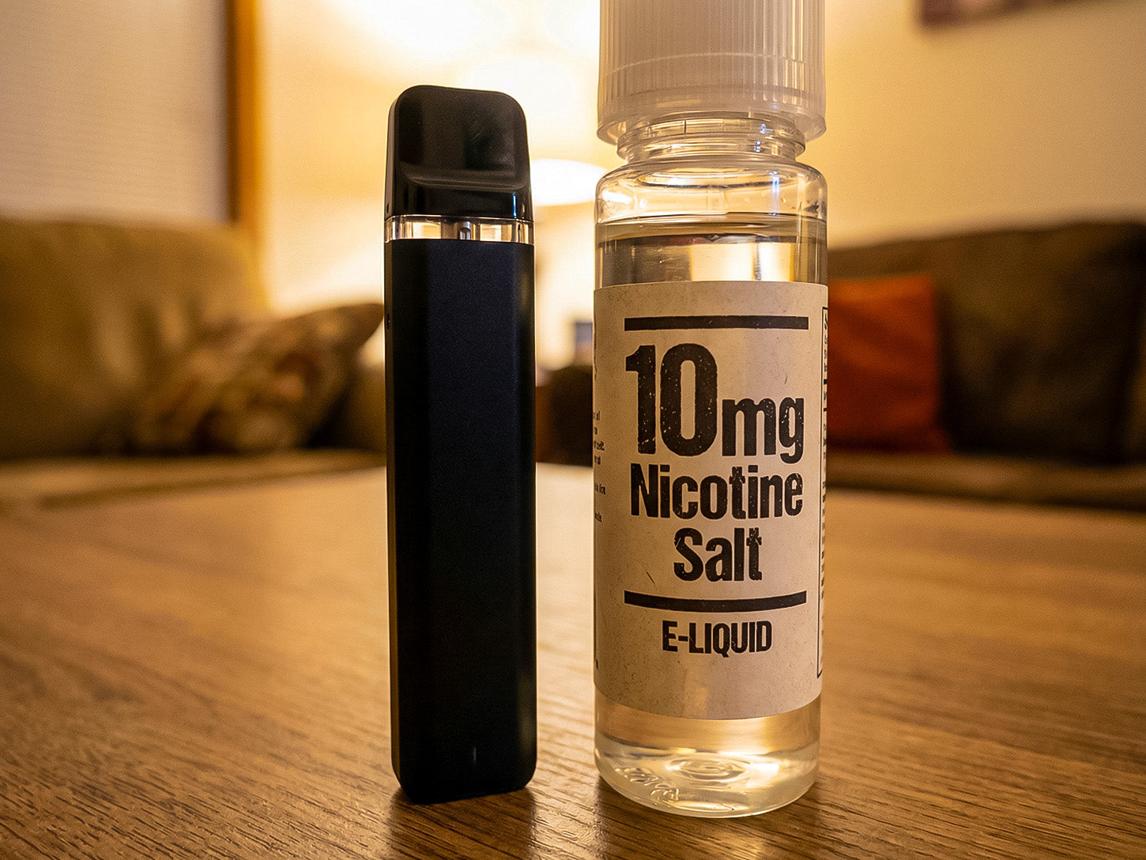
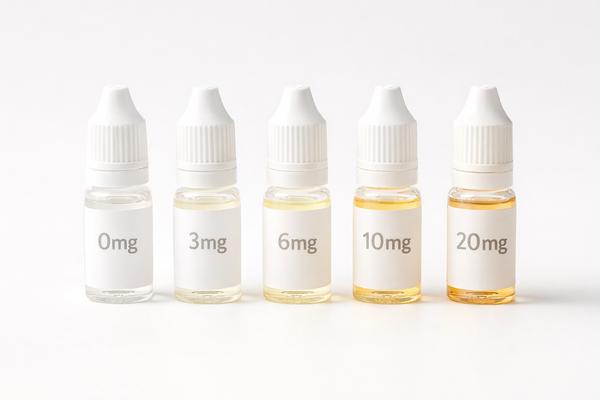
How is nicotine strength measured in vapes comes down to two formats: milligrams per milliliter and percentage. Both describe the exact same thing, just scaled differently.

This guide breaks down what these numbers actually mean and how to convert between them. In fact, once you understand the math, comparing products becomes much easier. Our shop carries a range of strengths clearly labeled in both formats.

How Is Nicotine Strength Measured in Vapes: mg/mL Explained

Milligrams per milliliter, written as mg/mL, measures how much nicotine sits in every milliliter of e-liquid. For example, a 20 mg/mL liquid contains 20 milligrams of nicotine per milliliter.

This format is common on freebase nicotine e-liquids. Additionally, it has traditionally been the standard labeling method across the industry.

How Is Nicotine Strength Measured in Vapes

Percentage Format Explained

Percentage strength expresses the same concentration differently, based on grams of nicotine per 100 milliliters of liquid.

To convert mg/mL to a percentage, simply divide by 10. For instance, a 20 mg/mL liquid equals 2%, while a 50 mg/mL liquid equals 5%.

To go the other direction, multiply the percentage by 10. Overall, this conversion works the same way regardless of nicotine type.

How Is Nicotine Strength Measured in Vapes for Nicotine Salts?

Nicotine salt e-liquids, common in disposable vapes, often use percentages rather than mg/mL on their labels.

However, the underlying math stays identical to freebase nicotine. In other words, a 5% nicotine salt liquid still equals 50 mg/mL, just expressed differently.

Percentages have become more common as nicotine salt disposables have grown in popularity, particularly at higher strengths.

Why the Two Formats Coexist

Historically, mg/mL was the standard across most e-liquid packaging. Meanwhile, percentages became more common as regulations and higher-strength salt products expanded.

Some regions also favor one format over the other in labeling conventions, which partly explains why you’ll see both used interchangeably today.

Regulatory Limits Vary by Region

The European Union’s Tobacco Products Directive caps nicotine-containing e-liquid at 20 mg/mL, equivalent to 2%, across all member states.

By contrast, the United States currently has no equivalent federal concentration cap. As a result, higher strengths, like 5%, remain more commonly available there.

Therefore, checking your region’s regulations is worth doing if you’re purchasing internationally or making your own e-liquid.

How Is Nicotine Strength Measured in Vapes

How Is Nicotine Strength Measured in Vapes: A Quick Conversion Reference

Use this simple reference to move between formats:

  • 10 mg/mL equals 1%
  • 20 mg/mL equals 2%
  • 30 mg/mL equals 3%
  • 50 mg/mL equals 5%
  • Formula: mg/mL ÷ 10 = percentage, and percentage × 10 = mg/mL

What the Number Doesn’t Tell You

A concentration number describes the liquid itself, not how much nicotine you personally absorb per puff.

Instead, device type, puff duration, and your own habits all affect actual nicotine intake, regardless of the labeled strength.

Frequently Asked Questions

Is 5% the same as 50 mg/mL?
Yes. They represent the exact same nicotine concentration, just expressed in different units.

Does the conversion formula work the same for all e-liquid types?
Yes. The mg/mL to percentage conversion applies equally to freebase nicotine and nicotine salts.

Why do some countries cap nicotine strength at 20 mg/mL?
Regulations like the EU‘s Tobacco Products Directive set this as a maximum concentration for consumer e-liquid products.

So, if you’re still unsure how a specific strength compares to what you’re used to, get in touch with our team and we’ll help you figure it out.

Best Disposable Vapes Under $30

Best Disposable Vapes Under $30

Best disposable vapes under $30 typically fall into the low-to-mid puff count range, generally covering casual to moderate everyday use. This price point offers solid value without the premium cost of ultra-high-capacity devices.

This guide breaks down what to realistically expect at this price point. Our shop carries a range of options across different budgets.

Best Disposable Vapes Under $30: What This Price Typically Gets You

At this price point, expect puff counts generally in the low thousands to around 10,000, depending on the brand and format.

Most devices in this range include a sealed or rechargeable battery, though ultra-high-capacity 20,000+ puff devices often sit above this budget.

 Best Disposable Vapes Under $30

Best Disposable Vapes Under $30: Why Price and Puff Count Are Closely Linked

Larger e-liquid reservoirs and bigger batteries both add manufacturing cost. This is the main reason higher puff counts generally push prices upward.

A device under $30 typically balances a moderate e-liquid volume with a battery sized to match it reasonably well.

Best Disposable Vapes Under $30: Where Value Comes From

At this price, focus on cost per puff rather than the sticker price alone. Divide the price by the puff count to compare devices fairly.

The FTC‘s online shopping guidance notes that comparing prices across sellers and checking total cost, including any extra fees, helps you actually confirm you’re getting a fair deal rather than assuming a listed price is automatically competitive.

A slightly higher-priced device with meaningfully more puffs can sometimes offer better value than the cheapest option available.

What You Might Be Trading Off

Devices at this price point may use standard wire coils rather than mesh, which can mean slightly less consistent flavor over the device’s life.

Battery capacity is also often more modest, which is worth factoring in if you’re a heavier daily user.

Best Disposable Vapes Under $30

Rechargeable vs Sealed at This Price Point

Some devices under $30 include USB-C recharging, which can help you get closer to the full advertised puff count.

Sealed-battery devices at this price are generally simpler, but the battery becoming the limiting factor is more common at lower price points.

What to Check Before Buying

A few checks help ensure you’re getting solid value at this price:

  • Compare puff count against price to estimate cost per puff
  • Check whether the battery is rechargeable or sealed
  • Look for clear nicotine strength and ingredient labeling
  • Read recent reviews for flavor consistency feedback
  • Confirm current pricing directly, since it can shift over time

Frequently Asked Questions

Are devices under $30 lower quality than pricier options?
Not necessarily. Price often reflects puff count and battery capacity more than fundamental build quality.

Can I still get a rechargeable device under $30?
Often yes, though puff counts at this price tend to be more moderate than premium high-capacity models.

Is it better to spend more for a higher puff count?
It depends on your usage. Occasional vapers may not need the extra capacity a pricier device offers.

Looking for the right option in your budget? Get in touch with our team and we’ll help you find the right fit.

GnaHtxHKv3TBps2eVvoBawRwgSGWOUWOnb9INkSl0gVev5svzOZ5iehphJWN8gglaQT3yWu7aYMe7PUBQB6t8w SYzRAnDoKsxeVPDEC AkTLpQvSRIc1nALburgIe1dO0sHzuMsfIrdL8HF98Ol9AipGQJnxVlD5WJyhHeWsXY

Best Disposable Vapes for Everyday Use

Best disposable vapes for everyday use share a few practical traits: reliable battery life, consistent flavor, and a size that fits easily into daily routines. Everyday use has different priorities than occasional vaping.

This guide breaks down what actually matters for daily reliability, using real examples where relevant. Our shop carries devices built for regular use.

Best Disposable Vapes for Everyday Use: Battery Life Comes First

Daily use puts real demands on a battery. A device that dies early forces frequent replacements and interrupts your routine.

The WAKA Blast 36000 Puffs pairs a large battery with USB-C recharging, which is the kind of setup that supports consistent daily use without early battery failure.

According to Anker‘s guidance on battery capacity, a higher mAh rating generally allows a battery to sustain output for longer, which matters most for devices used repeatedly throughout the day.

Best Disposable Vapes for Everyday Use

Consistent Flavor Matters More for Daily Use

Occasional users may not notice minor flavor dips. Daily users notice immediately, since they’re relying on the device far more often.

A device with well-saturated wicking and a properly matched coil tends to hold flavor consistency better over extended daily use.

Best Disposable Vapes for Everyday Use: E-Liquid Capacity

Daily vapers go through e-liquid faster than occasional users. A larger reservoir means fewer replacements over the course of a week or month.

Larger-format devices, like the Teds Barz 2G Disposable Vape Pen, hold significantly more e-liquid than standard-sized disposables, which suits frequent daily use well.

Portability Still Matters for Daily Routines

Even with higher capacity, a device still needs to fit comfortably into a pocket or bag for regular use throughout the day.

Balancing capacity with reasonable size is often more practical for daily use than choosing the single largest device available.

Best Disposable Vapes for Everyday Use

Best Disposable Vapes for Everyday Use: Coil Technology

Mesh coils generally hold up better under frequent daily use, since their larger surface area distributes heat more evenly over time.

This can mean a longer stretch of consistent flavor and vapor output before any noticeable decline, compared to older wire-coil designs.

Cost Per Puff Adds Up With Daily Use

Since daily vapers go through devices more often, cost per puff matters more here than for occasional users.

Calculating price divided by puff count gives a clearer sense of long-term value than comparing sticker prices between devices.

What to Prioritize for Daily Reliability

A few features consistently support better everyday performance:

  • A rechargeable battery with a USB-C port
  • Mesh coil technology for consistent flavor
  • E-liquid capacity that matches your daily habits
  • A comfortable, well-sealed mouthpiece
  • Clear puff count and nicotine labeling

Frequently Asked Questions

Should daily users always choose the highest puff count available?
Not necessarily. Matching capacity to actual daily habits usually makes more sense than maximizing puff count alone.

Does a rechargeable device really matter for daily use?
Yes. It generally helps you reach the device’s full advertised capacity rather than losing charge early.

Is a larger device always better for everyday use?
Not always. Balancing capacity with comfortable portability tends to work best for consistent daily use.

Looking for something built for daily reliability? Get in touch with our team and we’ll help you find the right fit.

Best Disposable Vapes Under $20

Best Disposable Vapes Under $20

Best disposable vapes under $20 typically sit at the entry-level end of the market, generally offering lower puff counts and simpler, sealed-battery designs. This price point works well for casual or first-time users.

This guide breaks down what to realistically expect at this budget. Our shop carries options across a range of price points.

Best Disposable Vapes Under $20: What to Expect at This Price

At this budget, puff counts generally fall in the lower range, often a few hundred to a few thousand puffs.

Most devices here use a sealed, non-rechargeable battery, keeping manufacturing costs, and the final price, lower than higher-capacity alternatives.

Best Disposable Vapes Under $20

Why This Price Range Suits Certain Users

Occasional vapers or people trying a new flavor for the first time often don’t need a large, long-lasting device.

A smaller, lower-cost device lets you sample something new without committing to a bigger purchase upfront.

Best Disposable Vapes Under $20: Trade-Offs to Expect

Devices at this price point typically use standard wire coils rather than mesh, which can mean slightly less consistent flavor over the device’s short life.

Battery life is also more limited, since a sealed battery can’t be recharged if it runs low before the e-liquid does.

Best Disposable Vapes Under $20: Comparing Value at This Price Point

Even at a lower price, cost per puff still matters. Divide the price by the puff count to compare devices fairly.

The FTC‘s online shopping guidance notes that comparing prices and total costs across sellers helps confirm you’re actually getting fair value, rather than assuming a low price automatically means a good deal.

Is a Rechargeable Option Available Under $20?

Rechargeable devices are less common at this specific price point, since USB-C charging and larger batteries add manufacturing cost.

If a rechargeable USB-C port matters most to you, you may need to look slightly above this budget for a wider selection.

Best Disposable Vapes Under $20

What to Check Before Buying at This Price

A few checks help you avoid disappointment at the lower end of the market:

  • Compare puff count against price to estimate real cost per puff
  • Check whether the battery is sealed or rechargeable
  • Look for clear nicotine strength and ingredient labeling
  • Read recent reviews specifically for flavor and consistency
  • Confirm current pricing directly, since it changes over time

Frequently Asked Questions

Is a device under $20 good for daily use?
It can work for light daily use, but heavier users may find themselves replacing it more frequently than they’d like.

Are cheaper devices lower quality overall?
Not necessarily. Price at this range often reflects smaller capacity rather than fundamentally poor construction.

Should I expect mesh coils at this price?
Not typically. Mesh coil technology is more common in mid-range and higher-capacity devices.

Looking for the right fit at this budget? Get in touch with our team and we’ll help you find something that works.

Which Vape Brand Is Best

Which Vape Brand Is Best

Which vape brand is best depends heavily on what you’re looking for, since different brands are built around different strengths. There isn’t one universal winner.

This guide breaks down what each major brand tends to be known for, so you can match one to your actual preferences. Our shop carries all the brands covered here.

Which Vape Brand Is Best for High Puff Count and Rechargeable Use

WAKA is known for pairing high puff counts with rechargeable batteries, making it a common choice for heavy daily users.

The WAKA Blast 36000 Puffs is a good example, combining a large e-liquid reservoir with USB-C charging to support that extended puff count realistically.

pexels jaralol 17527781

RELX and Refillable Pod Systems

RELX built its reputation on pod-based systems rather than fully disposable devices. This format allows for pod swapping instead of discarding the entire device.

If you prefer a system where you replace just the pod rather than the whole unit, RELX’s approach may suit you better than a fully disposable brand.

Which Vape Brand Is Best for Simplicity and Familiarity

HQD is widely recognized for straightforward, no-frills disposable devices. Its lineup tends to focus on ease of use over advanced features.

If you want something simple, familiar, and easy to find, HQD’s approach generally prioritizes accessibility over complexity.

INSTABAR and High-Capacity Devices

INSTABAR is generally positioned toward higher puff count ranges, often appealing to users who want fewer replacements over time.

Brands in this category tend to prioritize battery and e-liquid capacity over compact size.

Which Vape Brand Is Best for Larger Format Devices

Some brands, like RAW, offer larger-format disposable pens rather than compact pod-style devices. The Teds Barz 2G Disposable Vape Pen reflects this larger format style, which generally holds significantly more e-liquid than a standard disposable.

This format suits users who prioritize e-liquid volume and extended use over pocket-friendly size.

GUNNPOD EVO, CRWN INFINITY, and SEREIN

These brands generally compete in the higher-capacity, rechargeable disposable space, similar in positioning to WAKA and INSTABAR.

Differences between them tend to come down to specific flavor lineups and minor hardware variations rather than dramatically different technology.

A Fair Way to Judge “Best” for Yourself

Rather than looking for one universal best brand, consider matching brand strengths to your own priorities:

  • Heavy daily use: rechargeable, high-capacity brands like WAKA
  • Pod-swapping preference: RELX’s system-based approach
  • Simplicity: HQD’s straightforward lineup
  • Maximum e-liquid volume: larger-format brands like RAW
  • Flavor variety: worth comparing across INSTABAR, GUNNPOD EVO, CRWN INFINITY, and SEREIN directly
pexels bimbim sindu 96724782 9572775

Regulatory Status Across Brands

As with most disposable vape brands industry-wide, these brands generally do not currently appear on the FDA’s list of products with marketing authorization.

Checking the FDA‘s Searchable Tobacco Products Database can help you understand a product’s regulatory status if that matters to you.

Frequently Asked Questions

Is a more expensive brand always better?
Not necessarily. Price often reflects puff count and battery capacity more than overall quality differences.

Can I mix and match brands based on flavor preference?
Yes. Many vapers rotate between a few trusted brands depending on flavor availability.

Does brand really matter if the specs are similar?
Somewhat. Consistency in manufacturing and flavor formulation can still vary between brands with similar specs.

Not sure which brand fits your preferences? Get in touch with our team and we’ll help you compare your options.
Which Puff Count Should You Buy

Which Puff Count Should You Buy

Which puff count should you buy comes down to matching a number on a box to how you actually vape. Getting this right avoids overspending or running out too soon.

This guide breaks down how to translate your habits into the right puff count range. Our shop carries options across the full range.

Which Puff Count Should You Buy: Understanding the Number First

Puff counts come from standardized lab testing, not real-world use. Manufacturers commonly test under the ISO 20768:2018 standard, which uses automated machines taking consistent draws.

Real-world puffs vary in length and frequency, so your actual result will likely land below the advertised number.

Treat the printed puff count as a ceiling, not a guarantee, when comparing devices.

Which Puff Count Should You Buy

Casual or Occasional Vapers

If you vape only occasionally, a lower puff count device, generally under 5,000 puffs, is usually enough. You’re not putting enough use into it to justify a larger device.

These smaller devices also tend to be more compact and easier to carry without much thought.

Which Puff Count Should You Buy for Daily Use

Daily vapers typically fall into the moderate range, somewhere between 5,000 and 15,000 puffs. This tier balances longevity with a manageable size.

Devices in this range often include a rechargeable battery, which helps you actually reach the advertised puff count instead of losing charge early.

Heavy or All-Day Users

If you vape frequently throughout the day, a higher puff count device, generally 15,000 and above, reduces how often you’re replacing your vape.

These devices are larger and carry bigger batteries and e-liquid reservoirs to match the extended use they’re built for.

Which Puff Count Should You Buy: Cost Per Puff Matters More Than the Number

A higher puff count doesn’t automatically mean better value. Price needs to scale reasonably with the number advertised.

Divide the price by the puff count to estimate your actual cost per use, rather than comparing sticker prices alone.

resize (1)

Battery Type Affects Whether You’ll Reach the Advertised Count

Sealed, non-rechargeable batteries are fixed and can die before the e-liquid runs out, especially in higher puff count devices.

Rechargeable devices let you top up the battery, making it far more likely you’ll actually use the full e-liquid supply.

A Quick Way to Match Your Habits

Use this rough guide as a starting point:

  • Trying a new flavor or occasional use: under 5,000 puffs
  • Regular daily vaping: 5,000 to 15,000 puffs
  • Heavy or all-day vaping: 15,000 puffs and above
  • Frequent travel or portability priority: smaller devices regardless of puff count
  • Budget-focused, heavy users: mid-range devices often balance cost and reliability best

Frequently Asked Questions

Is a higher puff count always the better choice?
Not necessarily. It depends on your actual usage, since unused capacity doesn’t add value if you rarely finish a device.

Do all puff counts use the same testing method?
Most rely on similar standardized draw testing, though real-world results still vary based on individual habits.

Should I always choose a rechargeable device?
Not required, but rechargeable models generally deliver closer to their advertised puff count than sealed-battery devices.

Not sure which range fits your habits? Get in touch with our team and we’ll help you figure it out.

Which Nicotine Strength Should You Choose

Which Nicotine Strength Should You Choose

Which nicotine strength should you choose depends mainly on your current smoking or vaping habits, not a one-size-fits-all number. Starting lower and adjusting is generally the safer approach.

This guide breaks down how nicotine strength works and how to find a level that fits you. Our shop carries a range of strengths to choose from.

Which Nicotine Strength Should You Choose: Understanding the Numbers

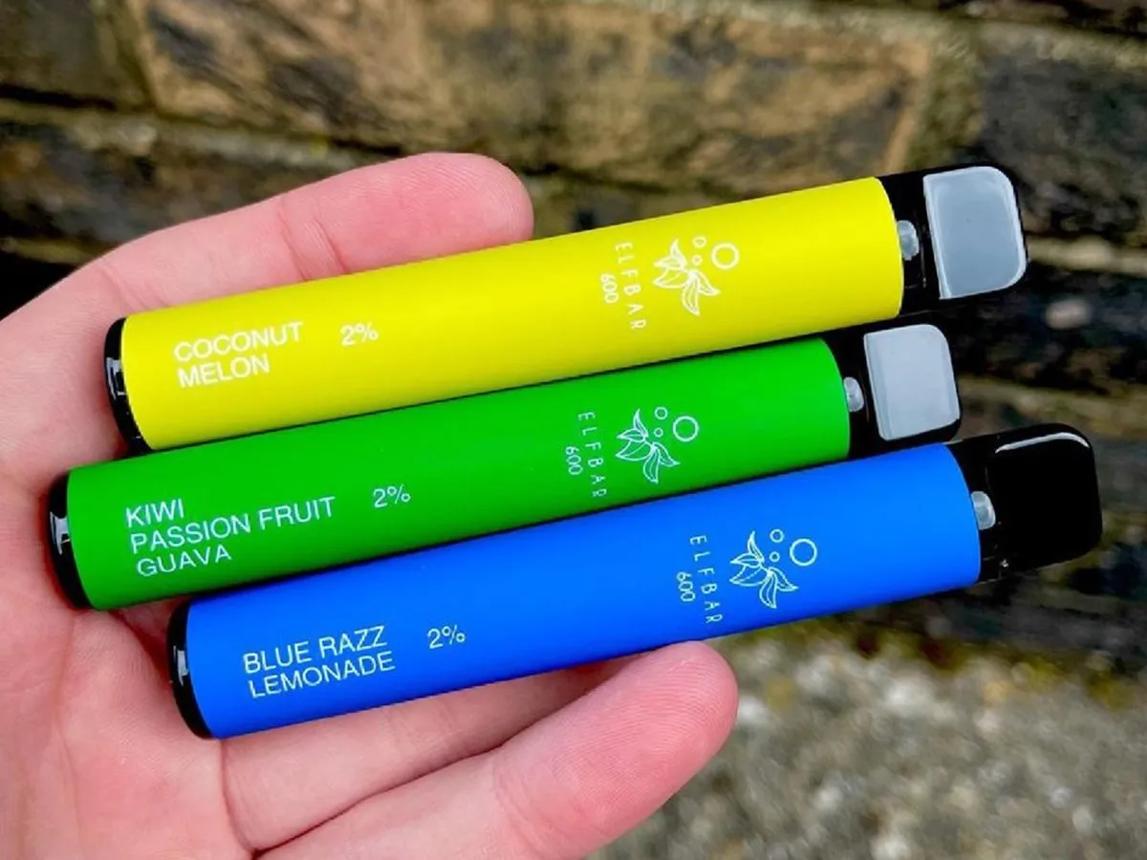
Nicotine strength is usually listed as milligrams per milliliter, or as a percentage. A 2% strength equals 20 mg/mL, and 5% equals 50 mg/mL.

Higher numbers deliver more nicotine per puff. This generally means needing fewer puffs to feel satisfied.

Which Nicotine Strength Should You Choose

Freebase Nicotine vs Nicotine Salt

Freebase nicotine tends to feel harsher at higher strengths, which is why it’s typically found in lower concentrations.

Nicotine salt absorbs differently, allowing higher strengths to feel smoother. This is why disposable vapes commonly use nicotine salt at higher percentages.

Understanding which type your device uses helps explain why strength numbers can feel different across products.

Which Nicotine Strength Should You Choose Based on Your Habits

If you’re an established smoker switching to vaping, a higher strength may help ease the transition more comfortably.

If you smoke occasionally or are new to nicotine altogether, starting at a lower strength is a more cautious approach.

There’s no single correct number. Matching strength to your own experience matters more than following a fixed formula.

Device Type Changes How Strength Feels

The same nicotine strength can feel different depending on the device. Higher-vapor devices deliver more nicotine per puff at the same strength.

Tighter, lower-vapor devices generally pair better with higher nicotine strengths, since less vapor is produced per puff.

Which Nicotine Strength Should You Choose

Which Nicotine Strength Should You Choose: Signs You’ve Chosen Wrong

A few signs can indicate your strength doesn’t match your needs well:

  • Dizziness, nausea, or a rapid heartbeat can signal a strength that’s too high
  • Constant cravings despite frequent use may signal a strength that’s too low
  • A harsh throat hit that feels unpleasant rather than satisfying
  • Needing far more puffs than expected to feel satisfied

The CDC on Nicotine and Dependence

According to the CDC, nicotine is highly addictive regardless of strength or delivery method, and dependence can develop with regular use.

This is worth keeping in mind when choosing a strength. Higher isn’t inherently better, and lower strengths can still meet your needs over time.

A Reasonable Approach to Finding Your Level

Start at a moderate strength rather than the highest available option. Give it a few days before deciding whether to adjust.

If it feels too strong, step down. If cravings persist, consider a modest increase rather than jumping to the highest strength available.

Frequently Asked Questions

Is a higher nicotine strength always more satisfying?
Not necessarily. Device type and vapor output affect how a given strength actually feels.

Can I switch strengths over time?
Yes. Many people adjust strength as their habits or preferences change.

Is nicotine salt safer than freebase nicotine?
Neither is inherently safer. They simply feel different and are absorbed differently at the same strength.

Not sure which strength fits your habits? Get in touch with our team and we’ll help you figure it out.

Why does my vape taste Metallic

Why Does My Vape Taste Metallic

Why does my vape taste metallic is a common and often overlooked question. In most cases, it points to something happening at the coil, not the e-liquid itself.

This guide breaks down the most likely causes and what to check first. If your current coil is the culprit, our shop has replacement options ready.

Why Does My Vape Taste Metallic? The Coil Is Usually the Cause

Most disposable and refillable coils use metals like Kanthal or nichrome. Under normal conditions, e-liquid keeps that metal cool as it vaporizes.

If the wick runs dry, even briefly, the coil’s metal can overheat. That overheating is a common source of a sharp, metallic taste.

A Worn-Out Coil Often Signals the End of Its Life

Coils naturally degrade with regular use. As they age, they can start producing a metallic or tinny taste even under normal conditions.

If you’ve had the same coil for one to three weeks and taste starts shifting, replacement usually resolves the issue.

Why does my vape taste Metallic

Why Does My Vape Taste Metallic Right After Refilling?

A metallic taste appearing right after refilling can point to residue buildup on the coil from a previous e-liquid.

Cleaning the tank thoroughly before refilling, or switching to a fresh coil, often eliminates this taste quickly.

Vaper’s Tongue Can Play a Role Too

Sometimes the issue isn’t the device at all. Vaper’s tongue, a temporary loss of taste sensitivity, can make flavors taste flat or oddly metallic.

Switching flavors briefly or taking a short break often helps restore normal taste perception.

Why does my vape taste Metallic

What Research Says About Metal in Vapor

A study from Johns Hopkins Bloomberg School of Public Health found that a significant number of e-cigarette devices produced aerosols containing measurable levels of metals including lead, chromium, and nickel.

Researchers noted that heating coils are a likely source of this metal transfer, since coils are commonly made from these materials.

This doesn’t mean every metallic taste signals a health concern, but it’s a reasonable reminder that coil condition matters beyond flavor alone.

Why Does My Vape Taste Metallic With High Wattage?

Running a coil above its rated wattage heats the metal faster than the e-liquid can properly vaporize.

This imbalance can intensify a metallic taste, particularly if it happens alongside a dry or under-saturated wick.

Quick Checks to Try First

Work through these steps before assuming the device is defective:

  • Check how long you’ve had the current coil installed
  • Make sure the wick is fully saturated before vaping
  • Try a different flavor to rule out vaper’s tongue
  • Confirm your wattage matches the coil’s rated range
  • Clean the tank if the taste appeared after refilling

Frequently Asked Questions

Should I stop using a device if it tastes metallic?
If replacing the coil doesn’t resolve it, discontinuing use of that specific device is a reasonable precaution.

Can e-liquid itself cause a metallic taste?
It’s less common, but certain flavor compounds can interact with metal components under some conditions.

How often should I replace my coil to avoid this?
Most coils need replacing every one to three weeks, depending on usage and e-liquid type.

Dealing with a coil that just won’t taste right? Get in touch with our team and we’ll help you find a replacement.

How to troubleshoot Disposable vapes

How To Troubleshoot Disposable Vapes

How to troubleshoot disposable vapes comes down to working through a few checks in order. Most issues resolve within the first two or three steps.

This guide walks through that process step by step, so you can pinpoint the problem quickly. If the device turns out to be a dud, our shop has reliable replacements ready.

How to Troubleshoot Disposable Vapes: Start With the Airflow

Check the intake holes on the bottom or sides of the device first. Packaging stickers sometimes cover these holes on a brand-new device.

Clear any visible lint or debris with a toothpick. Avoid pushing anything directly toward the coil while doing this.

Take a slow, steady draw after clearing the airflow. If vapor appears, the blockage was the issue.

How to troubleshoot Disposable vapes

Check for Trapped Air Bubbles

If airflow is clear but vapor still isn’t coming through, an air bubble may be blocking e-liquid from reaching the coil.

Tap the device gently against your palm a few times. This often helps redistribute the liquid toward the wick.

Let the device sit upright for a minute or two afterward, then try again.

How to Troubleshoot Disposable Vapes When It’s Cold

Cold temperatures thicken e-liquid, which can prevent it from properly saturating the wick.

Warm the device between your hands for a few minutes if it’s been sitting in a cold car or outdoors.

Try a draw again once the device feels closer to room temperature.

Inspect for Leaking

If e-liquid has leaked, wipe the device down and check its storage position. Devices designed to sit upright can leak if stored on their side.

Move the device to an upright position and let it settle for a few minutes before using it again.

If leaking happened right out of the packaging, that generally points to a manufacturing defect rather than a fixable issue.

Test the Battery

Take a draw and watch for an LED light, if your device has one. A blinking or dim light often signals a low or dying battery.

If your device is rechargeable, plug it in and wait for the indicator to confirm a full charge before testing it again.

The Consumer Product Safety Commission notes that damaged lithium-ion batteries can overheat, so stop using the device immediately if it feels unusually hot during this step.

Taste Test for Burnt Flavor

If you get vapor but the taste is harsh or burnt, the wick has likely dried out and scorched.

This usually means the device has reached the end of its usable life, since a disposable’s burnt wick can’t be repaired.

How to troubleshoot Disposable vapes

How to Troubleshoot Disposable Vapes: When Nothing Works

If you’ve worked through airflow, battery, and temperature checks with no result, the device likely has a manufacturing defect.

Document the issue with a photo or short video, and contact the retailer promptly rather than attempting to open the device yourself.

Quick Troubleshooting Checklist

Run through these checks in order for the fastest results:

  • Clear the airflow holes and mouthpiece
  • Tap the device to dislodge air bubbles
  • Warm the device if it’s been in the cold
  • Check for leaks and correct the storage position
  • Test the battery and watch the LED indicator
  • Taste-test for a burnt or scorched flavor

Frequently Asked Questions

How long should I wait after warming a cold device?
A few minutes is usually enough before the e-liquid returns to a workable consistency.

Can I open a disposable vape to troubleshoot it further?
No. Manufacturers don’t design these devices to be opened, and doing so can create a safety risk.

When should I stop troubleshooting and contact the retailer?
Once you’ve tried airflow, temperature, and battery checks without success, further troubleshooting rarely helps.

Still stuck after trying these steps? Get in touch with our team and we’ll help you sort it out.

Back to Top
error: Content is protected !!
Product has been added to your cart
Compare (0)