You press the fire button, take a gentle draw, and suddenly hear a loud pop or crackle from your tank. If you are asking why is my vape making a popping sound, you are not alone.
Hearing a sharp popping noise can be startling when you expect a smooth vapor draw. In most cases, a soft crackle simply indicates that your heating element is working properly. However, sudden loud pops or liquid droplets spraying into your mouth mean liquid is boiling on the coil rather than vaporizing cleanly.
Understanding why these sounds happen helps you fix the underlying issue quickly. This guide explains the primary causes behind coil noise and how to restore a quiet, comfortable session.
The Physics of Coil Vaporization
Vape coils work by rapidly heating e-liquid held inside a cotton wick. When electricity surges through the metal wire or mesh, it instantly turns the surrounding liquid into aerosol.
During normal operation, tiny vapor bubbles form and collapse continuously along the surface of the hot metal. This rapid bubble creation produces a light, gentle crackling sound that signals good heat transfer.
Problems occur when excess liquid pools on top of the heating wire. Instead of vaporizing smoothly, the trapped liquid boils and expands into larger bubbles. When these massive bubbles burst open under pressure, they create the distinct popping sound you hear during a hit.
Why Is My Vape Making a Popping Sound: Oversaturated Wicks and Tank Flooding
The most frequent culprit behind aggressive popping is an oversaturated wick or a flooded atomizer chamber.
When too much e-liquid enters the coil housing, the heating element becomes completely submerged. The coil cannot reach its ideal vaporizing temperature fast enough to convert all that fluid into smooth mist.
Tank flooding can happen for several simple reasons:
- Overfilling the reservoir past its max fill line.
- Leaving your device sitting unused for several days.
- Pulling too hard on the mouthpiece, which pulls extra liquid into the chamber.
- Damaged rubber O-rings that break the internal vacuum seal.
To clear a flooded coil, flick your device downward toward a paper towel to remove excess liquid from the central chimney. Check our selection of replacement pods in our shop if damaged seals continue to cause persistent leaking.
Low Wattage and Power Settings
Running your device below its recommended power range often leads to noisy vaporization.
Every commercial coil is designed to operate within a specific wattage window stamped right on its metal housing. If you set your battery output too low, the coil warms up slowly.
Instead of turning e-liquid into vapor on contact, the weak heat boils the juice slowly. This slow stewing process generates large, noisy bubbles that pop loudly when you inhale.
Check the side of your installed coil head for its rated wattage. Increasing your power setting by 2 to 5 watts can instantly stop unwanted noise.
Why Is My Vape Making a Popping Sound: E-Liquid Viscosity and PG/VG Ratios
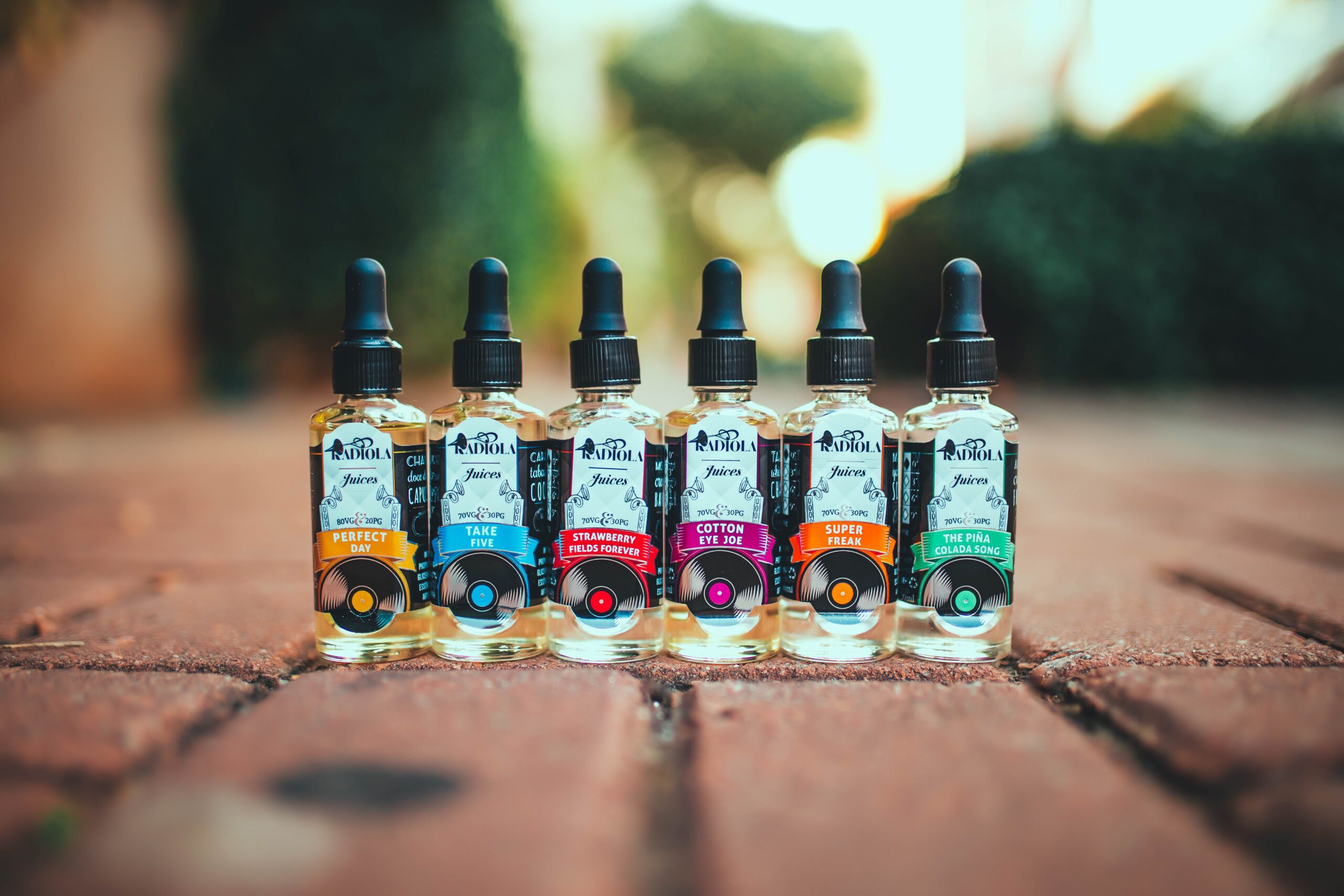
The ratio of Propylene Glycol (PG) to Vegetable Glycerin (VG) directly impacts how juice flows through your wick.
PG is thin and watery, while VG is thick and viscous. If you use a thin e-liquid with high PG content in a high-power sub-ohm tank, the fluid saturates the cotton far too quickly.
This rapid oversaturation floods the heating element and causes persistent spitting.
Guideline: Sub-ohm coils with wide airflow vents require thick 70VG/30PG blends to maintain proper wicking pressure. Smaller low-power pod systems perform best with balanced 50VG/50PG blends.
Switching to a thicker e-liquid formula prevents rapid flooding and significantly reduces popping noise. Explore our flavor collection to find high-VG options suited for high-wattage tanks.
How to Prevent Coil Popping and Spitback
You can eliminate unwanted tank noise and hot spitback with a few simple habit adjustments:
- Inhale Softly: Take longer, gentler puffs rather than sharp, fast draws that drag excess liquid into the chimney.
- Clean the Chimney: Swab the central airflow tube with a twisted tissue to clean out trapped condensation.
- Fire Before Inhaling: Press the activation button for half a second before drawing to burn off pooled surface liquid.
- Use Proper E-Liquid: Match thin liquids with small pod devices and thick liquids with sub-ohm tanks.
If you tried these adjustments and still experience harsh burning or popping, reach out to our team for personalized troubleshooting advice.
For Safety Guidelines, Explore

Leave a comment