
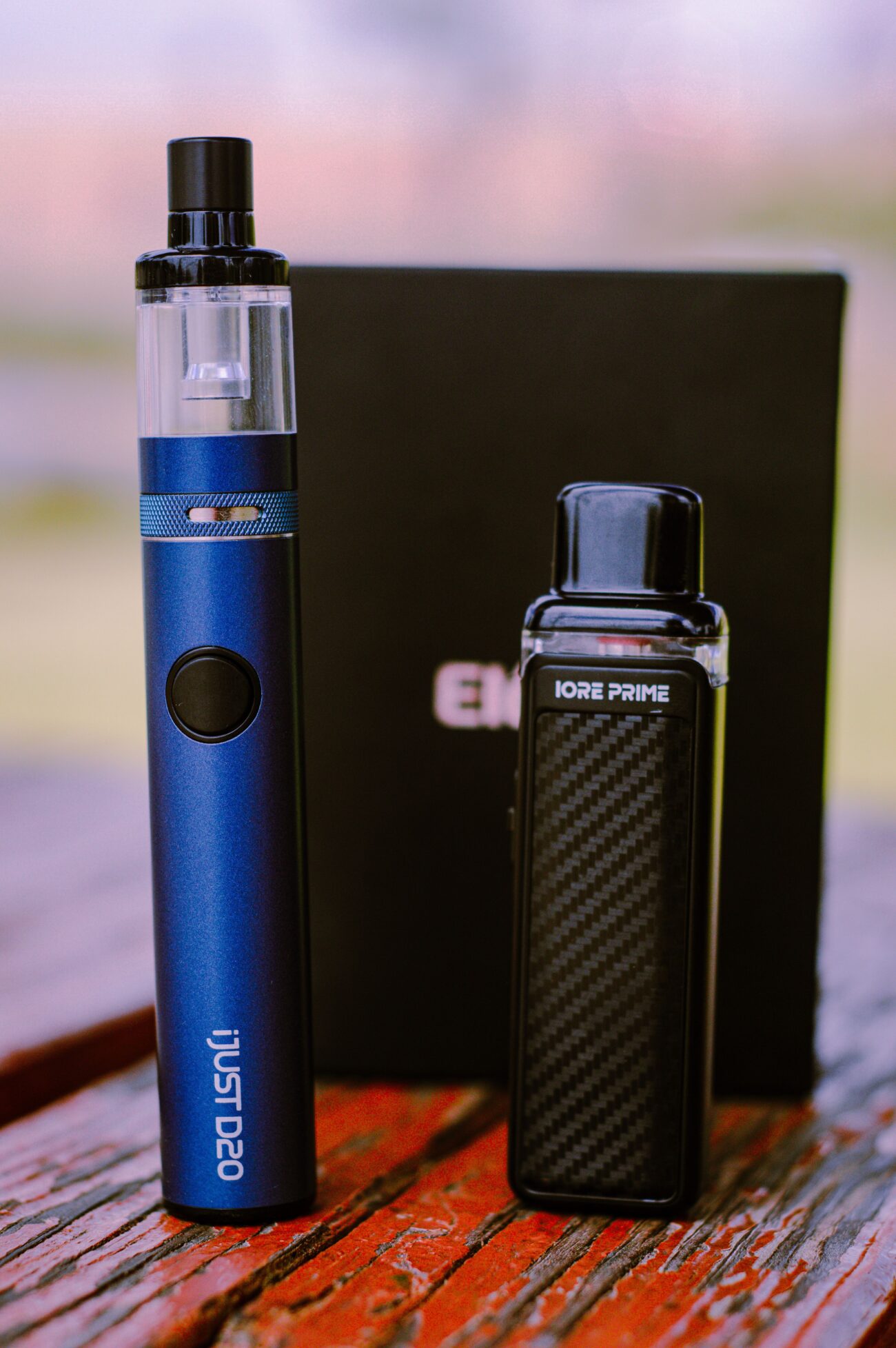
Rechargeable vs traditional disposable vapes comes down to one core distinction: whether the battery can be reused or not. That single difference shapes everything else.
This guide breaks down how each type works, what it means for cost and waste, and which one might suit you better. If you’re deciding between the two, our shop carries both styles.
Rechargeable Vs Traditional Disposable Vapes: The Basic Difference
A traditional disposable has a sealed, non-removable battery. Once it dies, the entire device is thrown away, regardless of leftover e-liquid.
A rechargeable disposable includes a USB charging port instead. The battery can be topped up repeatedly until the e-liquid runs out.
Both are still single-use in the sense that neither is refillable. The battery is simply the part that changes.
Why Rechargeable Models Often Last Longer
Traditional disposables pair a small, fixed battery with a small e-liquid reservoir. Both are designed to run out around the same time.
Rechargeable models remove that constraint entirely. Since the battery can be recharged, manufacturers can pack in a much larger e-liquid supply.
This is a major reason rechargeable disposables often reach far higher puff counts than traditional ones.
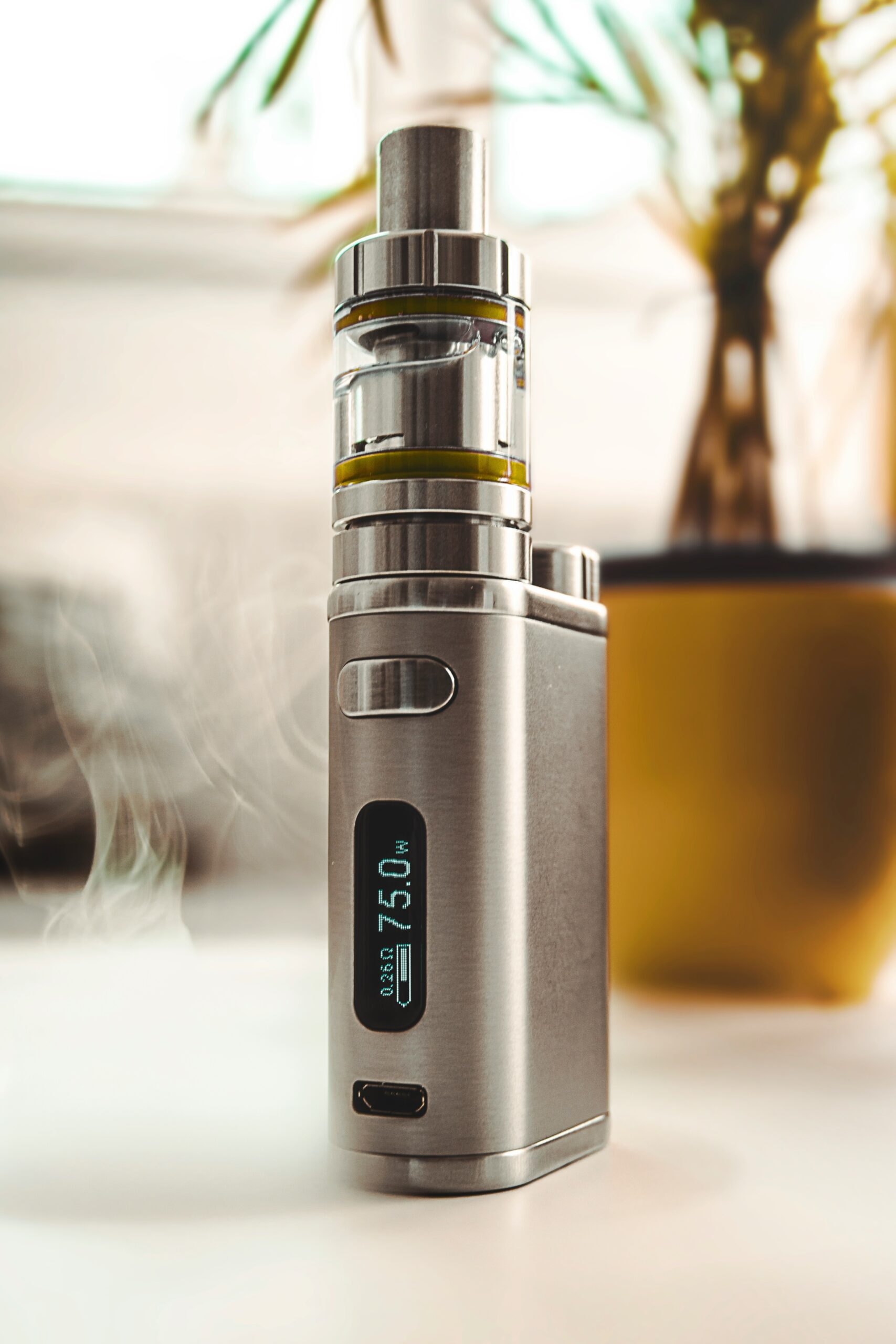
Rechargeable Vs Traditional Disposable Vapes: Cost Over Time
A traditional disposable typically costs less upfront. There’s no charging cable required, and the device is ready to use immediately.
A rechargeable disposable often costs more per unit, but delivers more total puffs. For regular users, this can mean a lower cost per puff overall.
Casual or infrequent users may not see much benefit from the higher puff count of a rechargeable device.
Charging and Everyday Use
Rechargeable disposables need occasional charging, similar to a phone. Most use a standard USB-C cable for this.
Traditional disposables need no charging at all. This makes them simpler for someone who wants zero maintenance, even briefly.
If you don’t want to think about charging at all, a traditional disposable removes that step entirely.
Environmental Considerations
Both device types are discarded once finished, since neither is refillable. Neither is considered an environmentally ideal option.
According to the EPA, most lithium-ion batteries are classified as hazardous waste and should never go in household trash or recycling bins.
This applies to both device types. Proper battery disposal matters regardless of which one you choose.
Rechargeable Vs Traditional Disposable Vapes: Which Fits You Better
If you vape occasionally and want the absolute simplest option, a traditional disposable may fit better. There’s nothing to charge or track.
If you vape regularly and want more puffs per device, a rechargeable disposable often makes more practical and financial sense.
How to Dispose of Either Type Properly
Never throw a disposable vape, rechargeable or not, in regular household trash. The battery inside poses a genuine fire risk.
Look for a local battery or electronics recycling drop-off point instead. Many retailers also accept old devices for safe disposal.
Frequently Asked Questions
Can a rechargeable disposable be refilled with e-liquid?
No. Rechargeable disposables allow battery charging only, not e-liquid refilling, despite the added charging port.
Do rechargeable disposables run out of e-liquid before the battery dies?
Usually, yes. That’s the intended design, since the battery can simply be recharged again if needed.
Is one type safer than the other?
Both use similar lithium-ion batteries, so the same charging and disposal precautions apply to either type.
Not sure which style fits your habits? Get in touch with our team and we’ll help you figure it out.

Leave a comment