





Disposable vapes vs cigarettes is a comparison worth understanding clearly, not just assuming. Both products deliver nicotine, but they work very differently and carry different risks.
This guide breaks down what current research and health agencies actually say, without overstating either side. It’s worth noting upfront: no tobacco or nicotine product is risk-free.
Disposable Vapes Vs Cigarettes: How They’re Different
Cigarettes burn tobacco, producing smoke that contains thousands of chemicals, many of them known carcinogens. Combustion is the primary source of that harm.
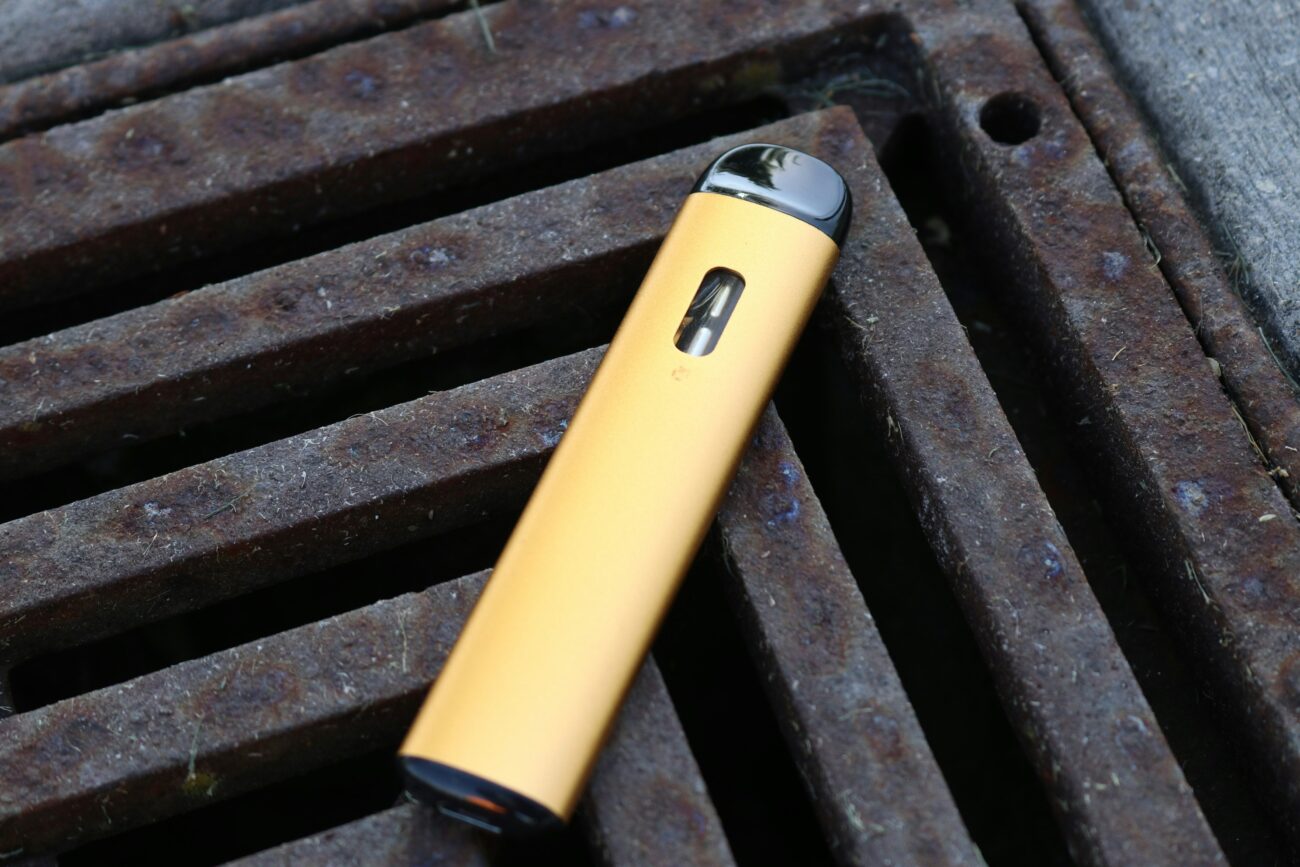
Disposable vapes heat e-liquid instead of burning anything. According to Johns Hopkins Medicine, vaping generally exposes users to fewer toxic chemicals than burning tobacco does.
That doesn’t mean vaping carries no risk. E-liquid aerosol still contains nicotine, chemicals, and substances not yet fully understood long term.

What Health Agencies Actually Say
The CDC is direct about this: there are no safe tobacco products, including e-cigarettes. Neither cigarettes nor disposable vapes are risk-free.
The CDC also notes e-cigarettes may benefit adult smokers if used as a complete substitute for cigarettes. However, no e-cigarette is FDA-approved as a smoking cessation aid.
This distinction matters. Switching entirely may reduce certain exposures for adult smokers, but that’s different from calling vaping safe.

Nicotine Content Is Often Higher, Not Lower
A common assumption is that vapes deliver less nicotine than cigarettes. That’s not necessarily true for many disposable devices.
Some disposable vapes contain nicotine levels equivalent to an entire pack of cigarettes in a single device. This means nicotine exposure can be significant, or even higher, depending on usage.
Disposable Vapes Vs Cigarettes: Addiction Risk
Both products deliver nicotine, which is highly addictive regardless of the delivery method. Switching from one to the other doesn’t eliminate that risk.
Using both cigarettes and vapes together, known as dual use, doesn’t reduce harm either. The CDC notes dual use can result in greater toxin exposure than using either product alone.
Disposable Vapes Vs Cigarettes: What’s Still Unknown
Cigarettes have been studied for decades, giving researchers a clear picture of their long-term effects. Vaping is comparatively newer.
Long-term health outcomes from years of vaping are still being studied. Ongoing research continues to evaluate cardiovascular and respiratory effects specifically.
Safety Risks Beyond Health Effects
Cigarettes carry fire risks from open flame. Disposable vapes carry a different risk: battery-related injuries.
The CDC notes that defective e-cigarette batteries have caused fires and explosions, most often occurring during charging. Handling and charging habits directly affect this risk.

Who Should Avoid Both
Youth, young adults, and people who are pregnant should not use either cigarettes or e-cigarettes. Neither product is considered acceptable for these groups.
Adults who’ve never smoked or vaped shouldn’t start with either product. The safest option is never starting at all.
Frequently Asked Questions
Are disposable vapes definitely safer than cigarettes?
Evidence suggests vaping may expose users to fewer toxic chemicals, but it isn’t considered safe, and long-term effects are still being studied.
Can vaping help someone quit smoking?
No e-cigarette is currently FDA-approved as a smoking cessation aid. Speak with a doctor about approved options if you’re trying to quit.
Is nicotine itself the main danger in both products?
Nicotine is highly addictive in both, though cigarettes carry additional risks from combustion that vaping does not.
If you’re an adult smoker exploring alternatives, our team can answer questions about our product range.



Leave a comment