
Home
Shop
Wishlist0
ONE DAY. ONE EXCLUSIVE DISCOUNT. 25% DISCOUNT. EVERY TUESDAY.
Why Does My Vape Taste Different Suddenly

Why Does My Vape Taste Different Suddenly

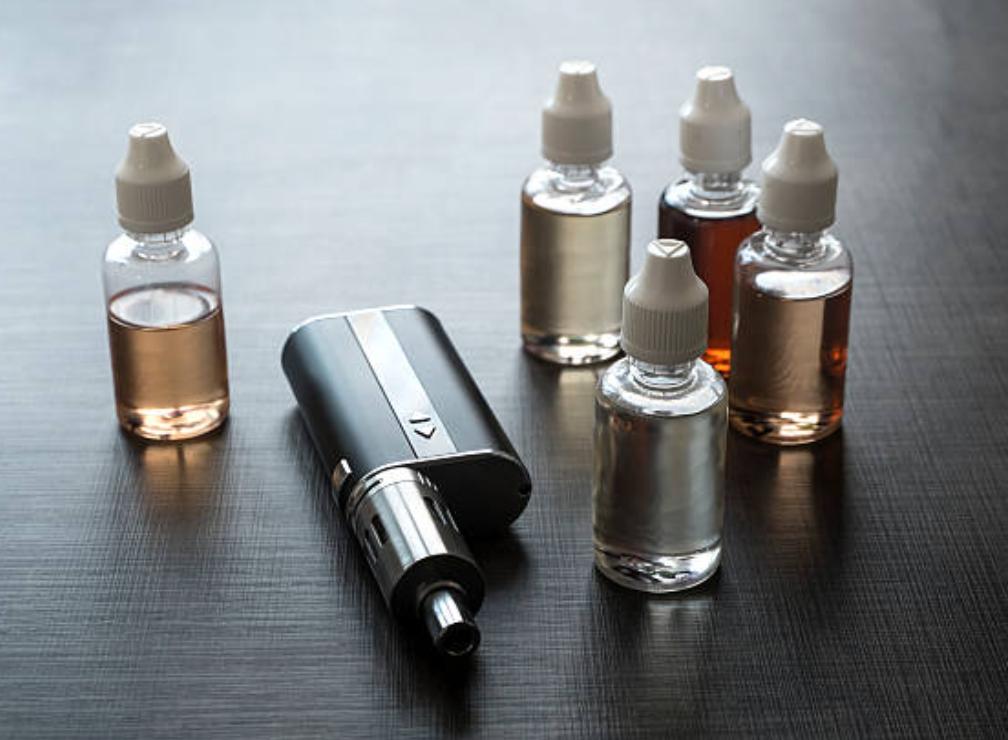
Why does my vape taste different suddenly? In most cases, it comes down to one of three things: your device, your e-liquid, or your own senses. Isolating which one is behind it usually takes just a few quick checks.

This guide breaks down each possibility so you can figure out what’s actually changed. If it turns out to be your coil, our shop has replacement options ready.

Why Does My Vape Taste Different Suddenly? Start With the Coil

A worn or aging coil is one of the most common causes of a sudden flavor shift. As residue builds up, flavor can become dull, bitter, or faintly burnt.

Since coils typically last one to two weeks, timing often lines up with when the taste actually changed.

Consequently, replacing the coil is usually the fastest way to rule this cause in or out.

Check Whether the E-Liquid Itself Has Changed

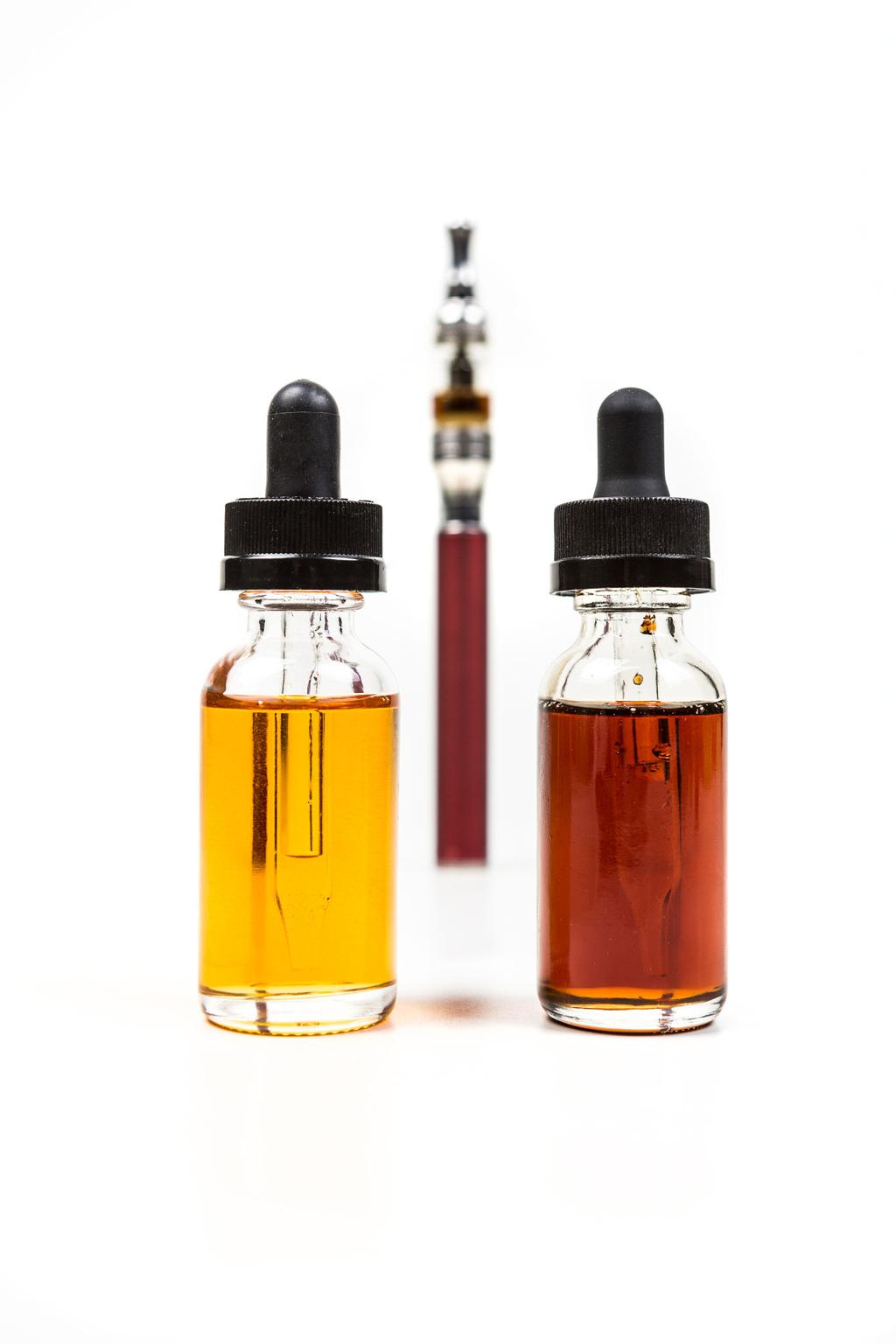
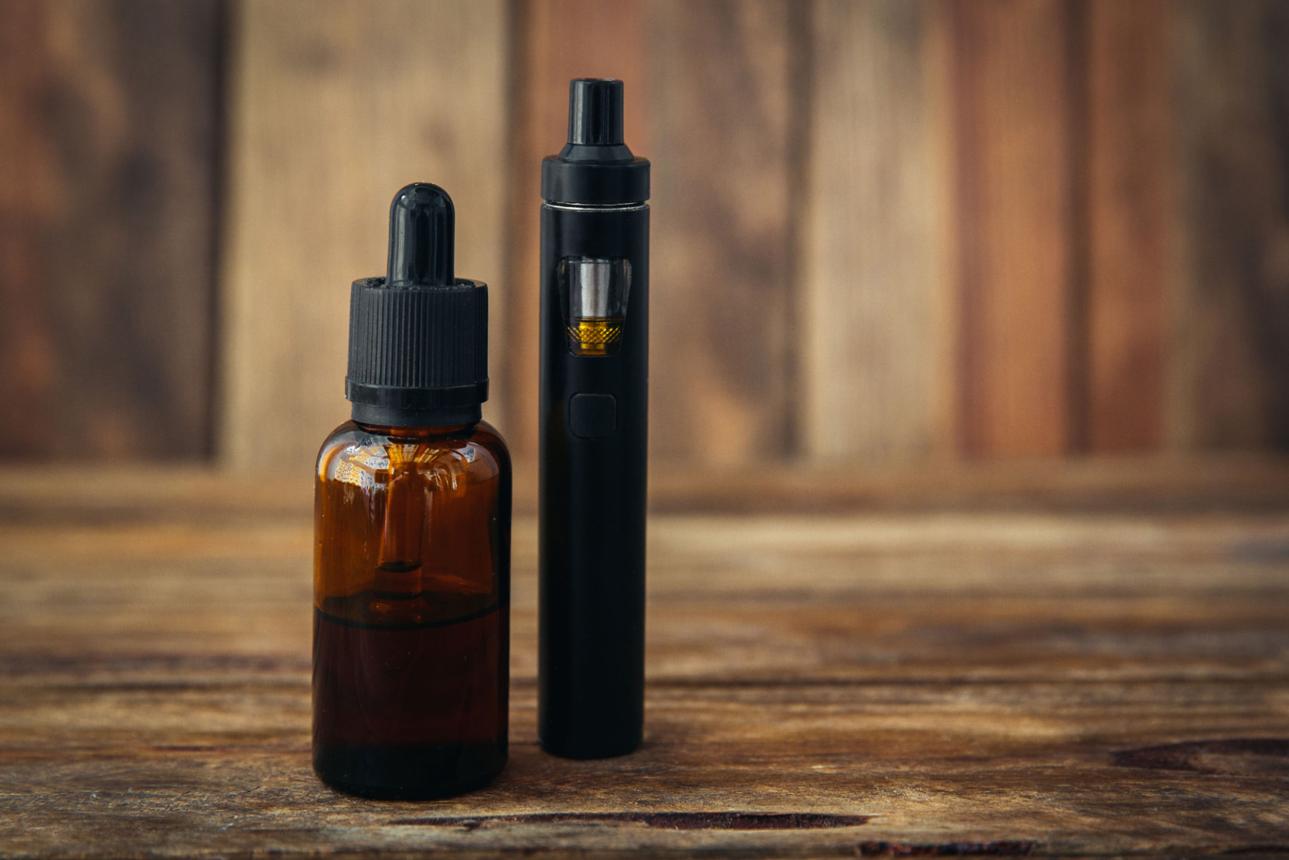
E-liquid gradually oxidizes when exposed to heat, light, or air. As a result, nicotine and flavor compounds can break down over time, even in an unopened bottle.

If the liquid has darkened noticeably or smells different than usual, aging is a likely explanation.

Therefore, storing e-liquid in a cool, dark place helps slow this process considerably.
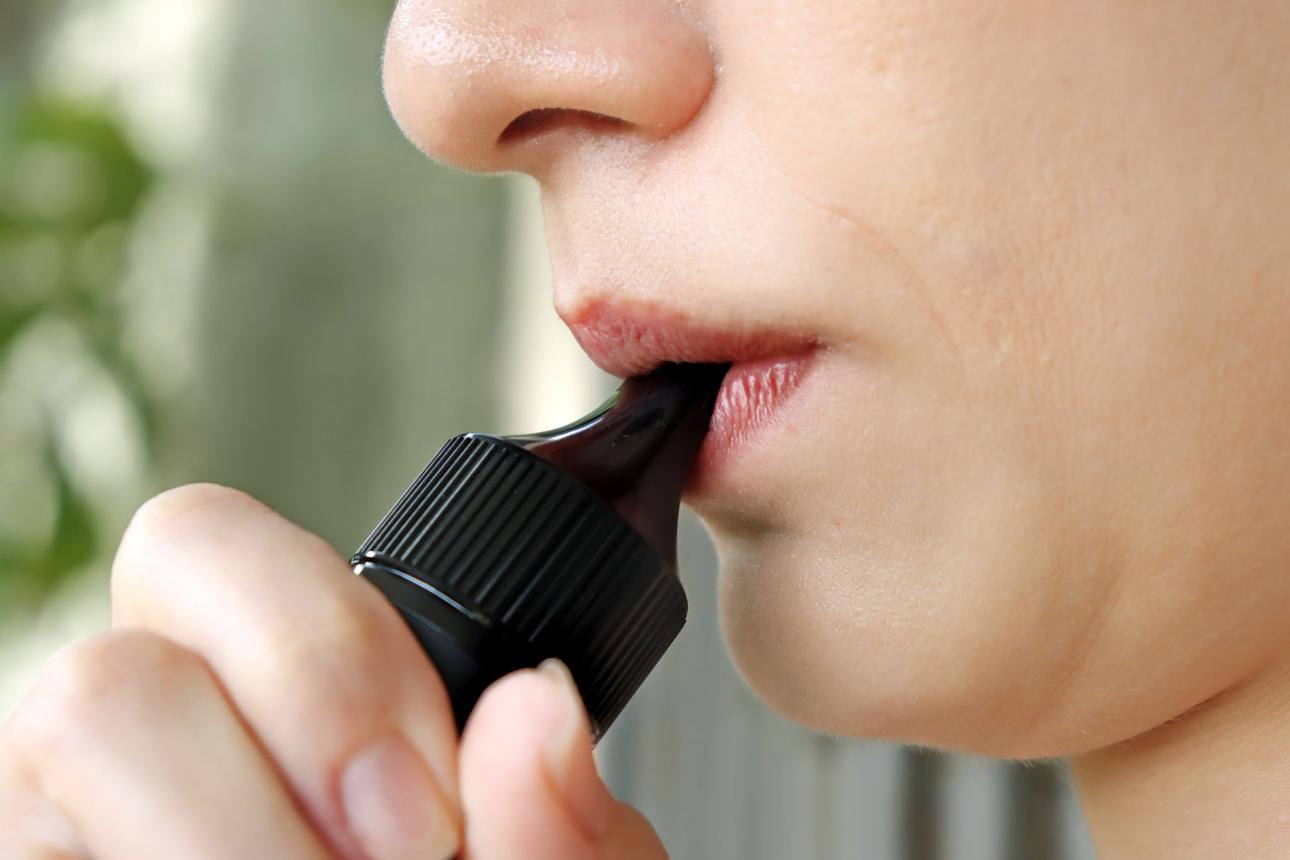
Why Does My Vape Taste Different Suddenly

Why Does My Vape Taste Different Suddenly Because of Your Senses?

Sometimes the issue isn’t the device or the liquid at all. Repeated exposure to the same flavor can temporarily desensitize your taste receptors, a phenomenon often called vaper’s tongue.

Meanwhile, according to the National Institute on Deafness and Other Communication Disorders, taste perception relies heavily on smell, and even mild nasal congestion from a cold can significantly alter how flavors come across.

In other words, if food has also been tasting different lately, your senses, not your vape, may be the real cause.

Airflow and Wattage Changes Can Shift Flavor Too

If you’ve recently adjusted your airflow or wattage, even slightly, flavor intensity and character can shift noticeably.

A more open airflow generally produces cooler, lighter flavor, while a tighter setting intensifies it. Similarly, higher wattage vaporizes liquid faster, which can change how flavor comes through.

Why Does My Vape Taste Different Suddenly: Cross-Contamination From Previous Flavors

Residue from a previous e-liquid can linger in the tank, mouthpiece, or airflow channel, subtly altering the taste of whatever you vape next.

This is especially common when switching flavors without fully cleaning the tank beforehand.
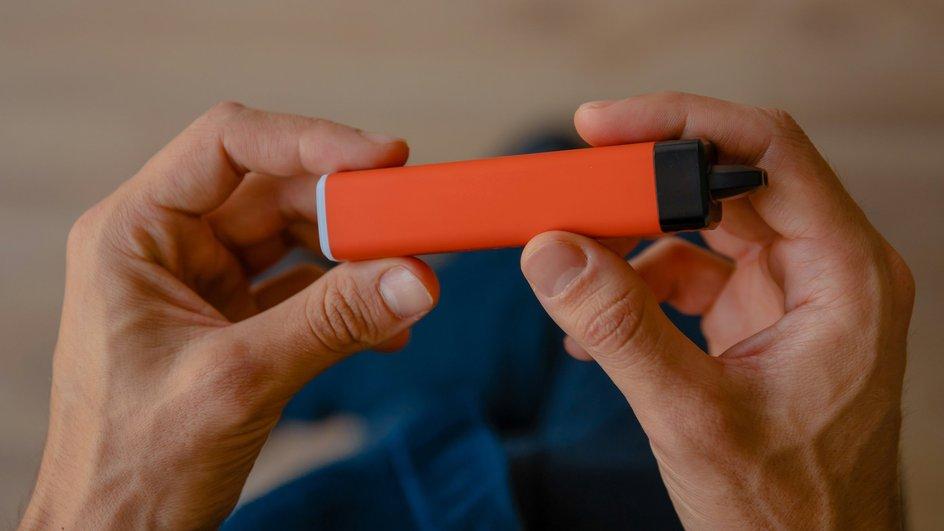
Why Does My Vape Taste Different Suddenly

A Quick Way to Narrow Down the Cause

Work through these checks in order to identify what’s actually changed:

  • Try a fresh coil to rule out hardware wear
  • Check the e-liquid’s color and smell for signs of aging
  • Notice whether food has also tasted different recently
  • Review any recent airflow or wattage adjustments
  • Clean the tank if you’ve recently switched flavors

When to Consider a Medical Explanation

Occasional taste changes are usually harmless and device-related. However, a sudden, persistent change in taste or smell affecting food as well isn’t something vaping alone typically explains.

Therefore, if the change persists beyond a few days and affects more than just vaping, checking in with a doctor is a reasonable next step.

Frequently Asked Questions

Can a cold really affect how my vape tastes?
Yes. Since smell plays a major role in flavor perception, nasal congestion can noticeably dull how flavors come across.

How long does vaper’s tongue usually last?
Often just a day or two, especially after switching flavors briefly or staying well hydrated.

Should I replace my coil every time flavor changes?
Not necessarily. It’s worth checking e-liquid freshness and your own senses first, since coil wear isn’t always the cause.

Still can’t figure out why your flavor changed? Get in touch with our team and we’ll help you sort it out.
Why Does My Vape Taste Sweet But Produce Little Vapor

Why Does My Vape Taste Sweet But Produce Little Vapor

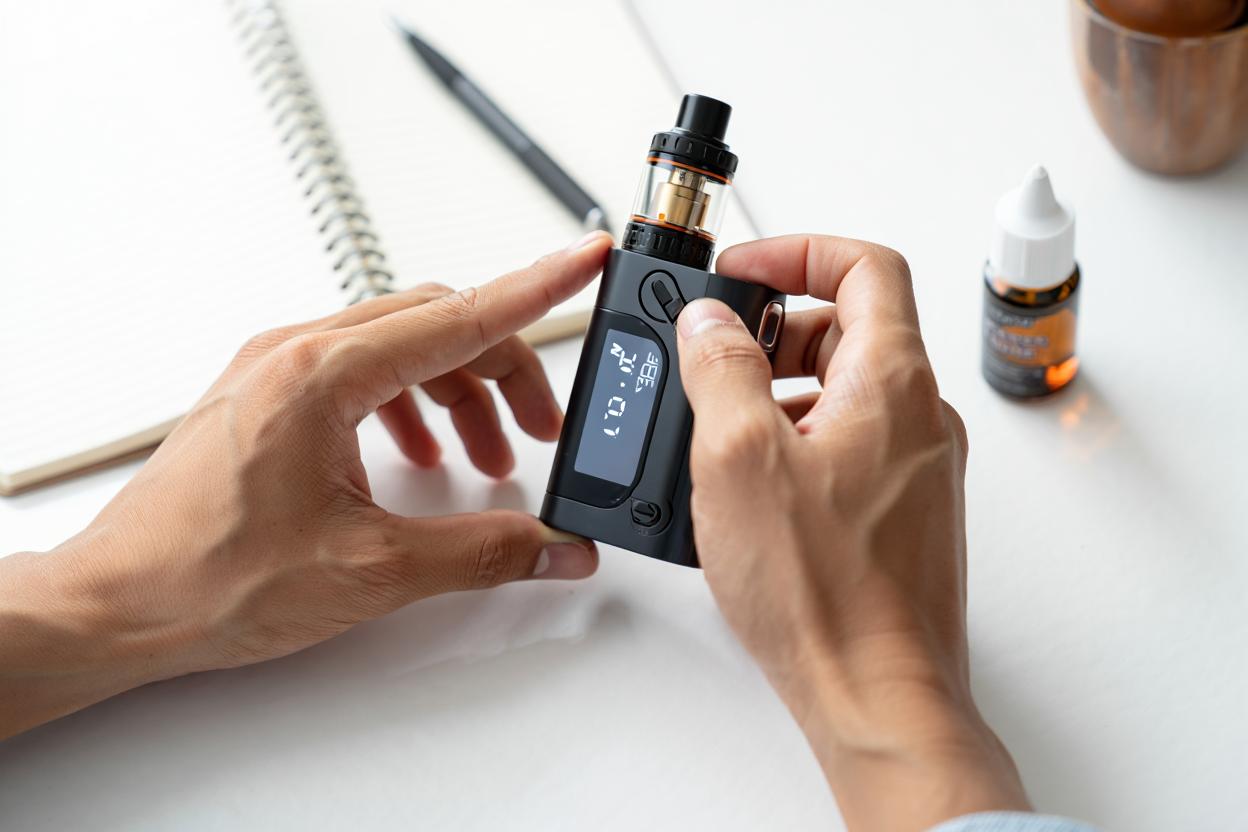
Why does my vape taste sweet but produce little vapor? In many cases, it comes down to a mismatch between your device’s power and your e-liquid’s base ratio, not a fault with either one.

This guide breaks down the actual science behind this combination and what to check first. If your device turns out to need a fix, our shop has options ready.

Why Does My Vape Taste Sweet But Produce Little Vapor? The Science Behind It

E-liquid contains two main base ingredients: propylene glycol (PG) and vegetable glycerin (VG). Notably, VG has a much higher boiling point than PG, around 287°C compared to roughly 187°C.

As a result, VG requires significantly more heat to fully vaporize. Meanwhile, PG vaporizes more easily, and it typically carries more of the flavor and sweetness.

According to research published in a peer-reviewed toxicology journal, device power output can affect how much of each base ingredient actually vaporizes, sometimes more than the liquid’s ratio does.

Why Does My Vape Taste Sweet But Produce Little Vapor

Why Does My Vape Taste Sweet But Produce Little Vapor: Underpowered Coils Explain This Combination Well

If your wattage sits too low for your coil’s rating, VG doesn’t fully vaporize into visible clouds. However, PG, and the sweetness it carries, still comes through reasonably well.

Consequently, you end up with a puff that tastes noticeably sweet but produces far less visible vapor than expected.

Increasing your wattage slightly, within your coil’s recommended range, often restores fuller vapor production.

Why Does My Vape Taste Sweet But Produce Little Vapor With High-VG Juice?

High-VG e-liquids need even more power to vaporize fully compared to balanced or high-PG formulas.

Therefore, running a high-VG liquid at low wattage makes this sweet-but-thin combination even more noticeable.

If you’re using a low-power pod system with a high-VG liquid, switching to a more balanced PG/VG ratio may help.

Why Does My Vape Taste Sweet But Produce Little Vapor

Coil Residue Can Add to the Sweetness

Sweeteners like sucralose don’t always vaporize cleanly. Instead, some residue builds up on the coil and wick over time.

This buildup can concentrate sweetness while simultaneously insulating the coil, which reduces how efficiently it heats and vaporizes liquid overall.

In other words, an aging, sweetener-coated coil can produce exactly this pattern: strong sweetness, weak vapor.

Battery Condition Also Plays a Role

A weakening battery may deliver just enough power to vaporize lighter compounds like PG and flavoring, without generating enough heat for full VG vaporization.

Therefore, testing your device on a full charge helps rule out battery strength as a contributing factor.

Quick Checks to Try First

Work through these steps to identify what’s actually happening:

  • Check your device’s wattage against your coil’s rated range
  • Note whether your e-liquid is high-VG or balanced PG/VG
  • Replace the coil if it’s been in use for more than a week or two
  • Test on a full battery charge
  • Try a slightly higher wattage within safe limits

When to Consider Replacing the Coil or Device

If adjusting wattage doesn’t help, coil residue buildup is the more likely culprit, especially with sweeter e-liquid flavors.

At that point, replacing the coil is generally more effective than continuing to adjust settings around a worn component.

Frequently Asked Questions

Does high-VG e-liquid always taste sweeter?
Not inherently, though VG does have a mild natural sweetness that becomes more noticeable at higher concentrations.

Can low battery charge really affect vapor thickness?
Yes. Reduced power output can limit how effectively VG vaporizes, even if PG and flavoring still come through.

Should I switch to a lower VG e-liquid for a low-power device?
Often, yes. A more balanced PG/VG ratio generally performs better in lower-wattage devices.

Still trying to figure out this exact combination on your device? Get in touch with our team and we’ll help you sort it out.
Nicotine Salt vs Freebase Nicotine

Nicotine Salt vs Freebase Nicotine

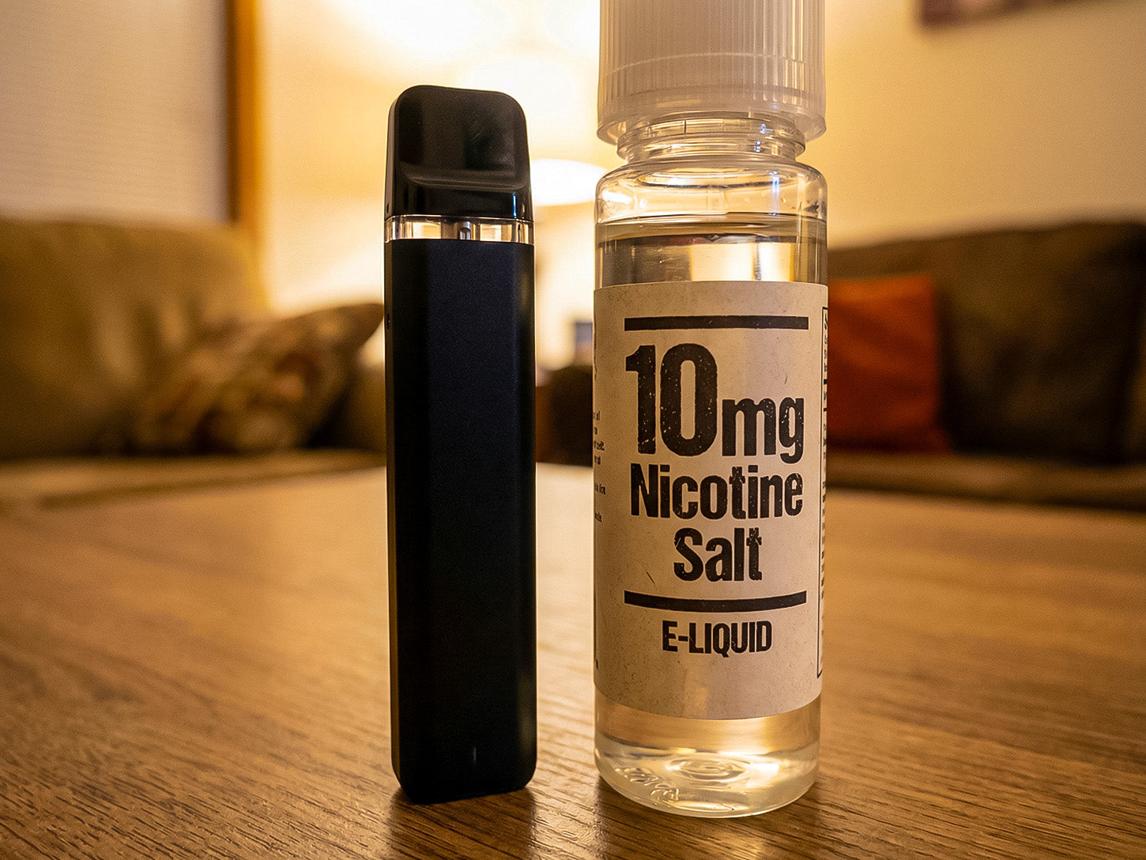
Nicotine salt vs freebase nicotine comes down to a chemical difference that changes how each one feels, not necessarily how much nicotine you get. Both deliver the same nicotine, just differently.

This guide breaks down the real distinction, plus what current research actually shows. Our shop carries both formats across a range of strengths.

Nicotine Salt vs Freebase Nicotine: The Chemical Difference

Freebase nicotine is nicotine in its more basic, unprotonated chemical form. It’s the traditional form used in most e-liquids for years.

Nicotine salt, by contrast, is nicotine combined with an acid, such as benzoic acid, which lowers its pH.

This chemical change is what most directly affects how harsh or smooth the vapor feels, rather than the nicotine itself changing.

Nicotine Salt vs Freebase Nicotine

Why Nicotine Salt Often Feels Smoother

Because nicotine salt has a lower pH, it’s generally reported to feel less harsh and irritating at higher concentrations than freebase nicotine.

As a result, this is exactly why disposable vapes commonly use nicotine salt even at strengths like 5%, something freebase rarely achieves comfortably.

Nicotine Salt vs Freebase Nicotine: What Research Actually Shows on Absorption

For years, the common claim was that nicotine salt absorbs into the bloodstream faster than freebase nicotine. However, the science here is more mixed than that claim suggests.

A 2024 study published in Nicotine & Tobacco Research found that some industry-funded studies show increased systemic absorption with nicotine salt. Meanwhile, separate laboratory research has found that freebase nicotine can actually show higher solution absorption in controlled conditions.

In other words, the honest answer is that absorption differences are still being studied, and the full picture isn’t settled yet.

Device Compatibility Differences

Freebase nicotine is typically used in refillable tanks and mods, especially at lower strengths suited to those setups.

Nicotine salt is more commonly found in pod systems and disposable vapes, since its smoother feel suits higher-strength, lower-vapor devices well.

Using the wrong nicotine type at the wrong strength for your device can result in an unpleasant or overly harsh experience.

Nicotine Salt vs Freebase Nicotine

Nicotine Salt vs Freebase Nicotine: Which Should You Choose?

If you use a higher-wattage device that produces a lot of vapor, freebase nicotine at a lower strength is generally the more comfortable match.

If you use a low-wattage pod or disposable device, nicotine salt at a higher strength typically feels smoother and more satisfying.

Common Misconceptions Worth Correcting

A few claims circulate that aren’t fully accurate:

  • “Nicotine salt is always stronger”: strength depends on the labeled concentration, not the chemical form
  • “Nicotine salt always absorbs faster”: current research is mixed, not settled
  • “Freebase is outdated”: it’s still standard in many refillable and sub-ohm setups
  • “The two types can’t be compared directly”: they can, since both use the same mg/mL or percentage system

Frequently Asked Questions

Is nicotine salt more addictive than freebase nicotine?
Both contain the same nicotine. Addiction potential relates more to total nicotine exposure than the chemical form itself.

Can I use nicotine salt e-liquid in any device?
Technically yes, but it’s generally better suited to low-wattage pod systems rather than high-power sub-ohm devices.

Does nicotine salt taste different from freebase?
Often, yes. Nicotine salt is typically described as smoother, especially at higher strengths.

Not sure which type fits your device? Get in touch with our team and we’ll help you figure it out.

Vape Terminology Explained

Vape Terminology Explained

Vape terminology explained simply means breaking down the confusing shorthand into plain, practical language. Knowing these terms makes shopping and troubleshooting far easier.

This guide covers the terms you’ll run into most often, grouped by what they actually describe. Once you know the basics, our shop makes a lot more sense to browse.

Vape Terminology Explained: The Core Hardware

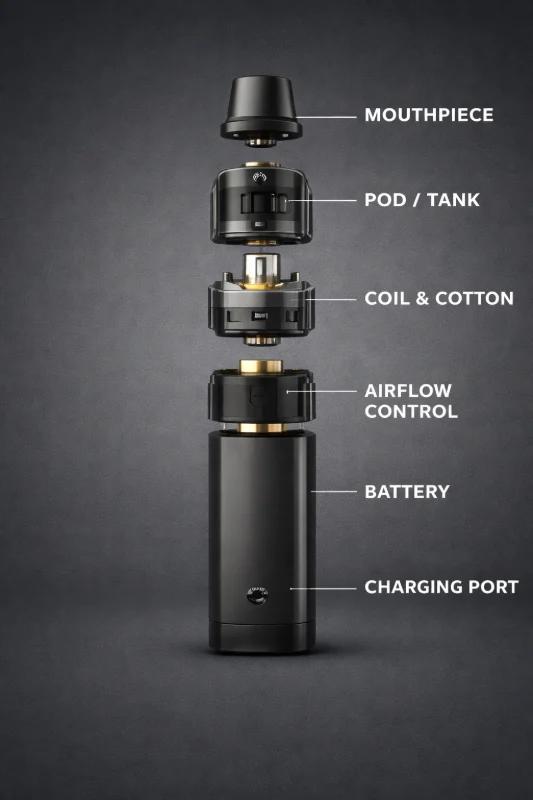
Atomizer refers to the heating component inside a device. It’s what actually turns e-liquid into vapor.

Coil is the wire inside the atomizer that heats up. Most coils are made from metals like Kanthal or nichrome.

Wick is the material, usually cotton, wrapped around the coil. It absorbs e-liquid and feeds it to the coil.

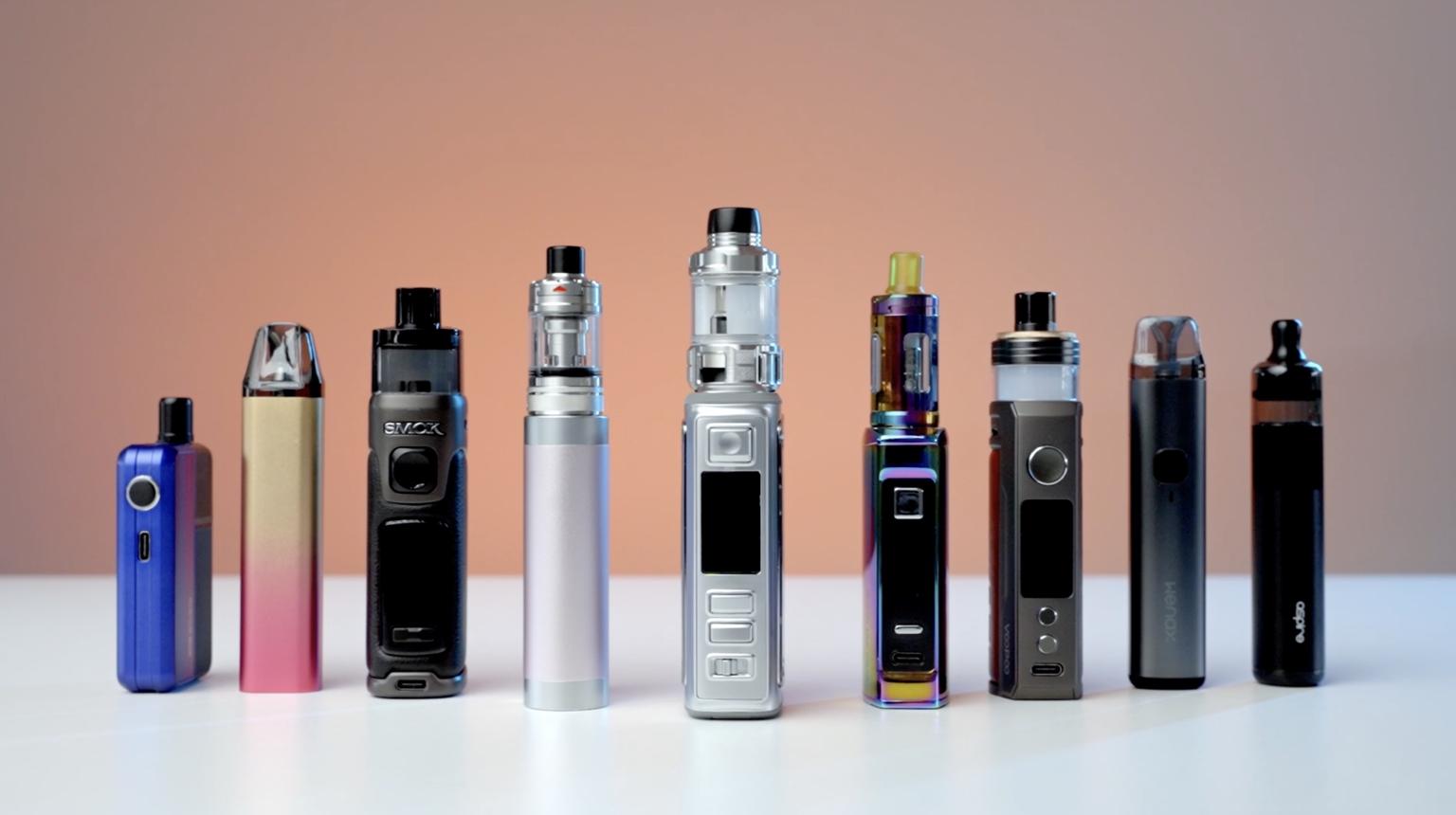
Mod refers to the battery and control unit of a device, often used for larger, more customizable setups.

Vape Terminology Explained

E-Liquid Terms Worth Knowing

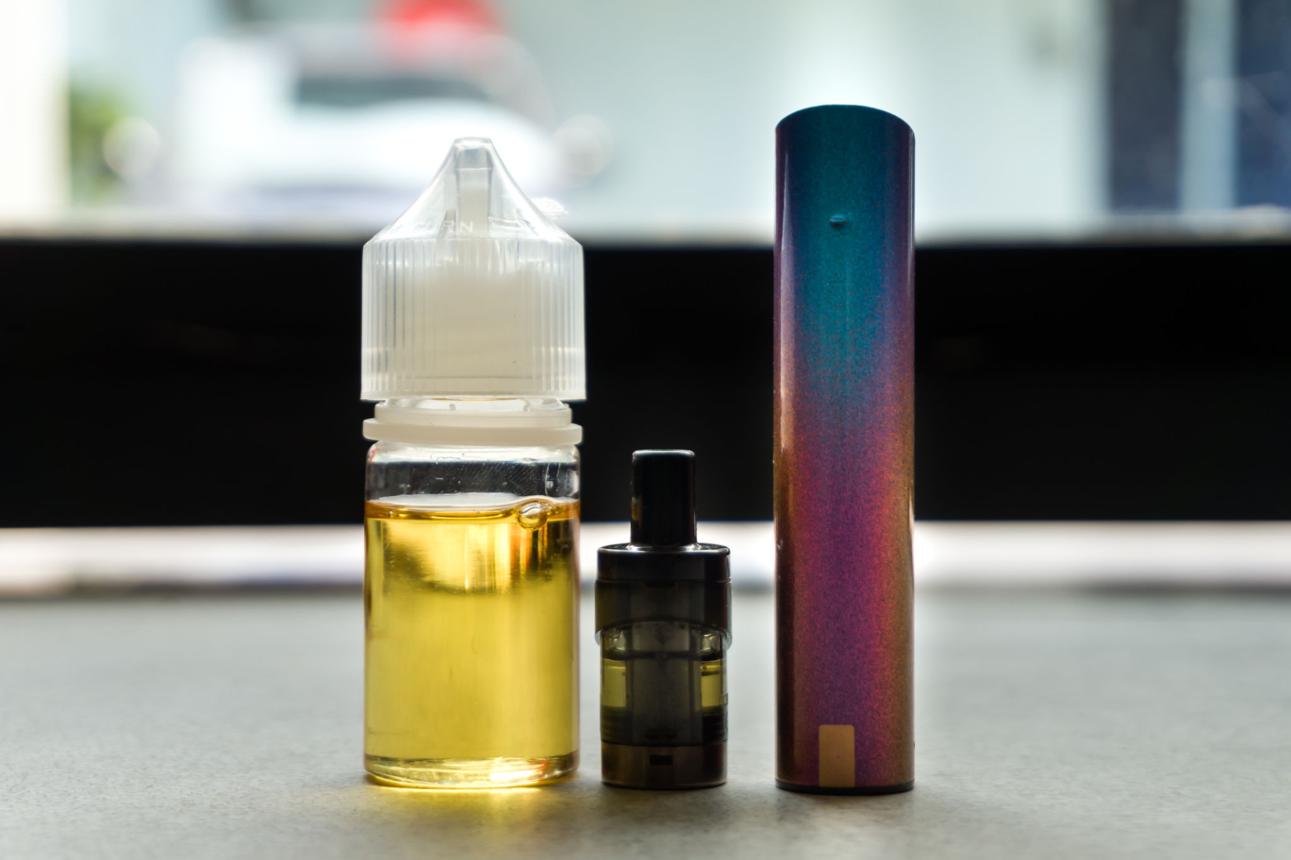
PG (propylene glycol) and VG (vegetable glycerin) are the two main base ingredients in e-liquid. According to the FDA, these are standard components found in most vaping products, alongside nicotine and flavorings.

PG generally carries flavor more sharply and produces a stronger throat hit. VG produces thicker vapor and a smoother feel.

Nicotine salt is a form of nicotine that absorbs more smoothly at higher strengths, common in disposable vapes.

Freebase nicotine is the more traditional form, often used at lower strengths due to its harsher feel.

Vape Terminology Explained: Battery and Power Terms

mAh (milliamp-hours) measures battery capacity. A higher number generally means the battery lasts longer between charges.

Ohms measure a coil’s electrical resistance. Lower resistance, often called sub-ohm, produces more vapor and heat.

Wattage refers to the power delivered to the coil. Higher wattage generally means more vapor and a warmer hit.

Vape Terminology Explained

Draw and Inhale Style Terms

MTL (mouth-to-lung) describes a tighter draw, similar to smoking a cigarette. Vapor is held briefly in the mouth first.

DTL (direct-to-lung) describes a looser, airier draw, inhaled straight into the lungs, typically producing bigger clouds.

Auto draw or draw-activated describes a device that fires automatically when you inhale, with no button needed.

Vape Terminology Explained: Common Problem Terms

Dry hit describes a harsh, burnt-tasting puff caused by a coil heating without enough e-liquid present.

Flooding happens when too much e-liquid saturates the coil, often causing gurgling or leaking.

Priming refers to saturating a new coil’s wick with e-liquid before first use, which helps prevent an early dry hit.

Device Type Terms

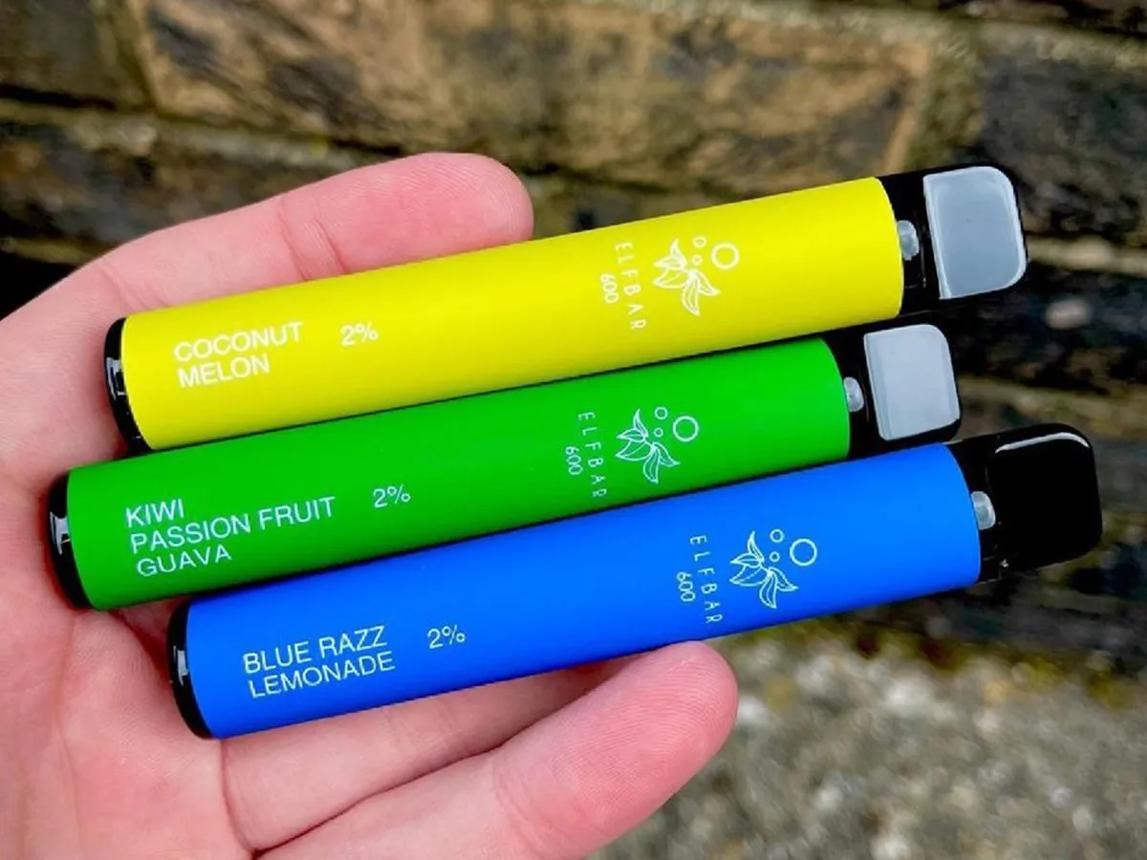
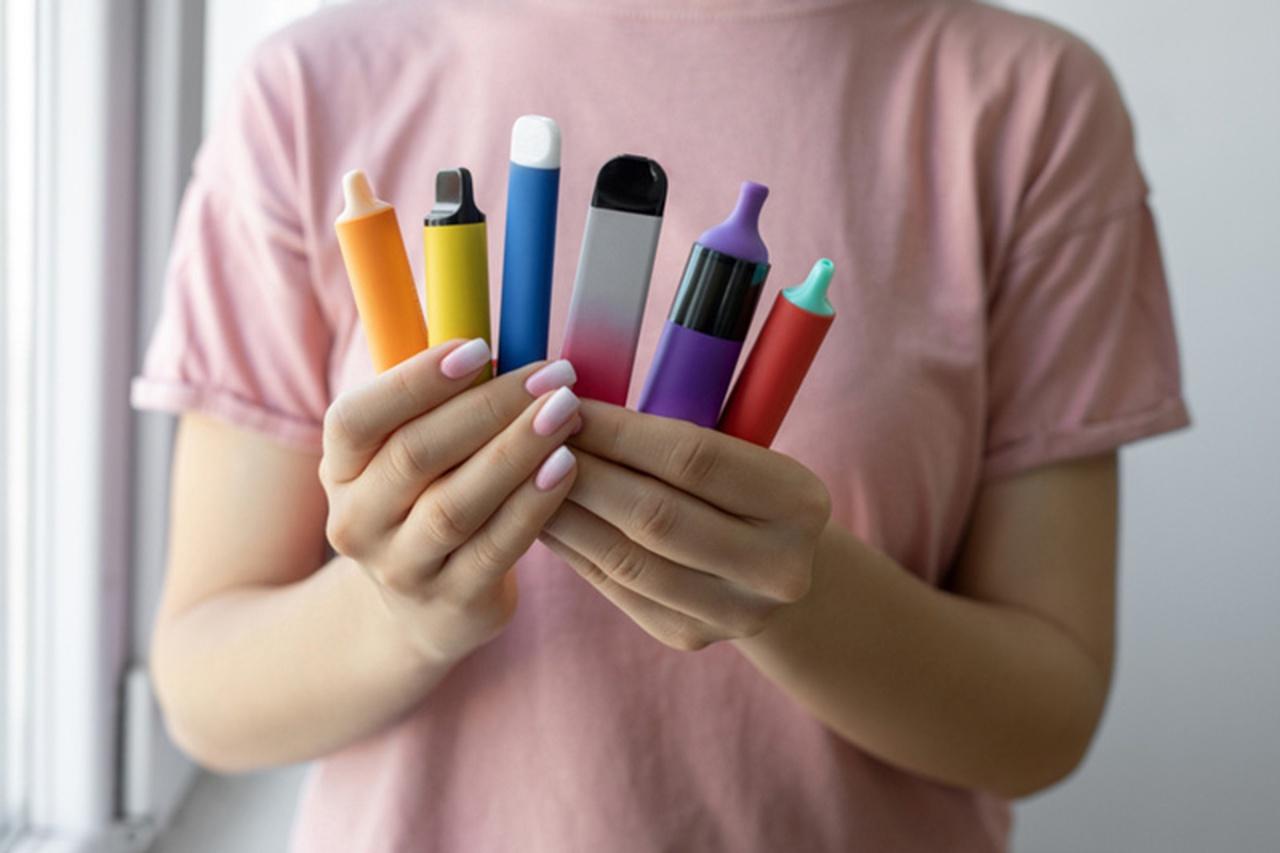
Disposable refers to a single-use device, pre-filled and pre-charged, discarded once it’s finished.

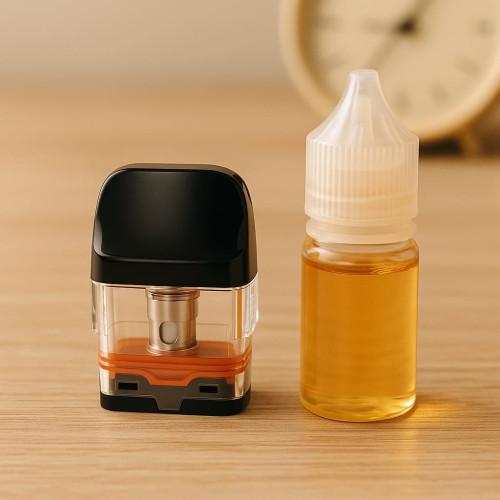
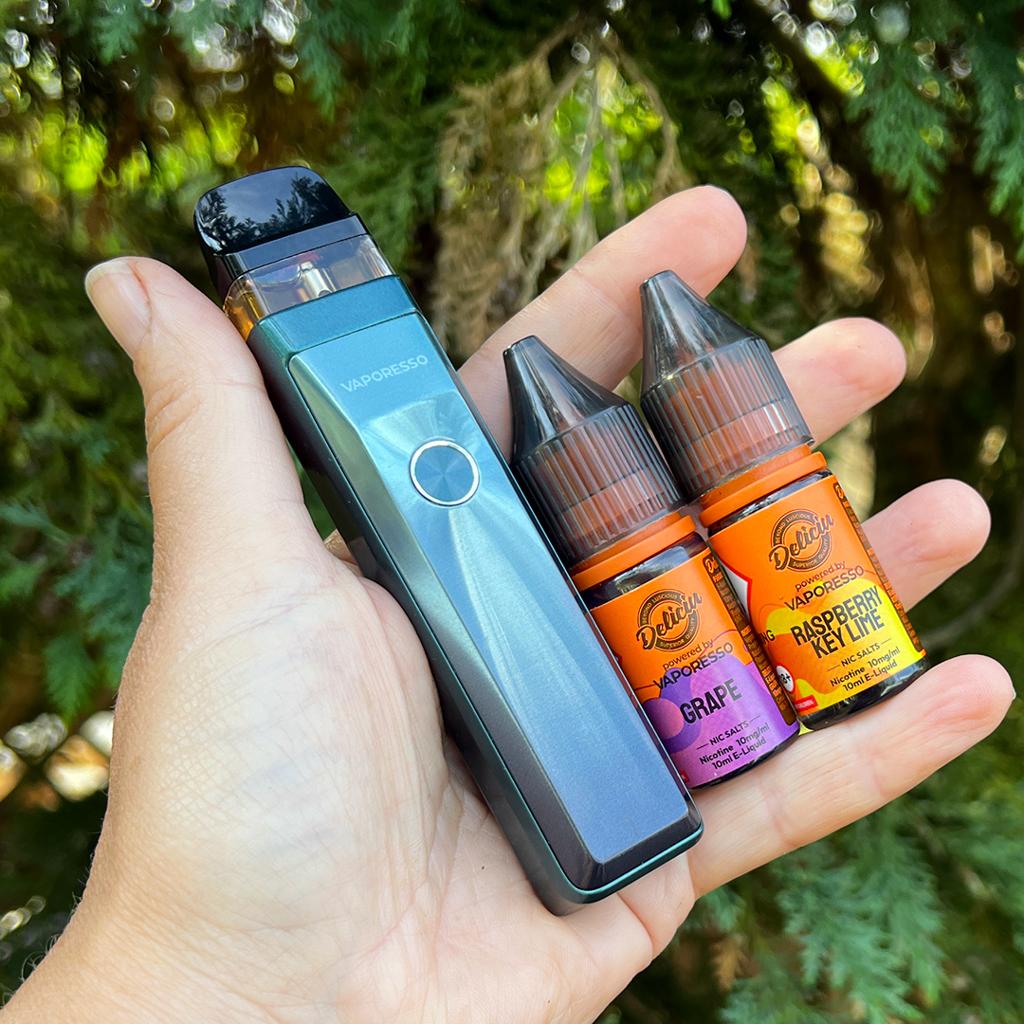
Pod system uses a small, often refillable cartridge called a pod instead of a full-size tank.

Mesh coil describes a flat, perforated heating element, generally producing fuller vapor than a traditional spiral wire coil.

Frequently Asked Questions

Do I need to know all these terms to start vaping?
No. A handful of basics, like coil, e-liquid, and puff count, are usually enough for casual use.

Is nicotine salt stronger than freebase nicotine?
Not inherently. It simply absorbs differently, allowing higher strengths to feel smoother.

What’s the difference between a mod and a disposable?
A mod is a reusable, customizable device, while a disposable is single-use and pre-configured.

Still running into unfamiliar terms? Get in touch with our team and we’ll help you make sense of it.

Does Puff Count Tell You How Much Nicotine Is in a Vape?

Does Puff Count Tell You How Much Nicotine Is in a Vape?

Does puff count tell you how much nicotine is in a vape? Not directly. Puff count measures how long a device lasts, while nicotine strength measures how much nicotine sits in each puff.

This guide breaks down why these two numbers are often confused and how they actually relate to each other. Our shop clearly labels both figures separately on every device.

Does Puff Count Tell You How Much Nicotine Is in a Vape? Two Different Metrics

Puff count reflects the total number of draws a device can produce before the battery or e-liquid runs out. It says nothing about concentration.

Nicotine strength, on the other hand, measures concentration directly, usually in mg/mL or as a percentage. This number stays the same throughout the entire device.

In other words, a high puff count device isn’t necessarily higher in nicotine. It’s simply designed to last longer overall.

Does Puff Count Tell You How Much Nicotine Is in a Vape?

Does Puff Count Tell You How Much Nicotine Is in a Vape?: Why This Confusion Happens So Often

Manufacturers often print puff count in large, prominent text on packaging. As a result, it’s easy to assume a bigger number means a stronger product.

However, nicotine strength is usually printed separately, often in smaller text nearby. This layout difference contributes to the mix-up.

What Actually Determines Nicotine Per Puff

Nicotine per puff depends on the e-liquid’s concentration, combined with how much vapor a single puff produces.

A device with high wattage or a large coil surface area typically produces more vapor per puff. Consequently, more e-liquid, and more nicotine, gets delivered per draw.

Therefore, two devices with the same nicotine percentage can still deliver noticeably different amounts of nicotine per puff.

Does Puff Count Tell You How Much Nicotine Is in a Vape Over Time?

While puff count doesn’t indicate strength, it does affect total nicotine exposure across the device’s lifespan.

For example, a 20,000-puff device at 5% nicotine delivers far more total nicotine over its life than a 2,000-puff device at the same strength, simply because it lasts longer.

So, total exposure depends on both numbers together, not puff count or strength alone.

Does Puff Count Tell You How Much Nicotine Is in a Vape?

How to Read Both Numbers Correctly

When comparing devices, check nicotine strength first to understand concentration. Then check puff count separately to understand how long that concentration will last.

Treating these as two independent specs, rather than one combined number, gives a much clearer picture of what you’re actually buying.

A Simple Way to Compare Devices

Use this approach when comparing two disposable vapes:

  • Check nicotine strength first, in mg/mL or percentage
  • Check puff count separately to estimate device lifespan
  • Multiply roughly to estimate total nicotine exposure over the device’s life
  • Don’t assume higher puff count means higher nicotine strength
  • Look for both numbers printed clearly on the packaging

Why This Matters for Choosing a Device

If your priority is a specific nicotine experience, focus on strength, not puff count. Meanwhile, if longevity matters most, puff count deserves more attention instead.

Understanding both numbers together ultimately helps you choose a device that actually matches what you’re looking for.

Frequently Asked Questions

Can two devices have the same puff count but different nicotine strength?
Yes. Puff count and nicotine strength are set independently, so they vary separately across different products.

Does a higher wattage device deliver more nicotine per puff?
Often, yes, since more vapor typically means more e-liquid, and therefore more nicotine, delivered per draw.

Should I choose a device based on puff count or nicotine strength?
Both matter, but for different reasons: strength affects each puff, while puff count affects how long the device lasts.

Still unsure how these numbers apply to a specific device? Get in touch with our team and we’ll help you compare your options.

How Is Nicotine Strength Measured in Vapes

How Is Nicotine Strength Measured in Vapes?

How is nicotine strength measured in vapes comes down to two formats: milligrams per milliliter and percentage. Both describe the exact same thing, just scaled differently.

This guide breaks down what these numbers actually mean and how to convert between them. In fact, once you understand the math, comparing products becomes much easier. Our shop carries a range of strengths clearly labeled in both formats.

How Is Nicotine Strength Measured in Vapes: mg/mL Explained

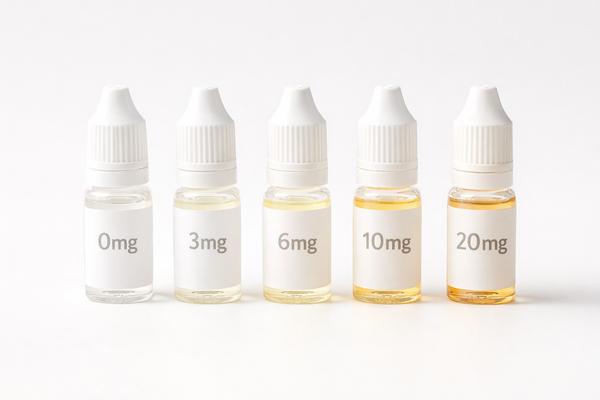
Milligrams per milliliter, written as mg/mL, measures how much nicotine sits in every milliliter of e-liquid. For example, a 20 mg/mL liquid contains 20 milligrams of nicotine per milliliter.

This format is common on freebase nicotine e-liquids. Additionally, it has traditionally been the standard labeling method across the industry.

How Is Nicotine Strength Measured in Vapes

Percentage Format Explained

Percentage strength expresses the same concentration differently, based on grams of nicotine per 100 milliliters of liquid.

To convert mg/mL to a percentage, simply divide by 10. For instance, a 20 mg/mL liquid equals 2%, while a 50 mg/mL liquid equals 5%.

To go the other direction, multiply the percentage by 10. Overall, this conversion works the same way regardless of nicotine type.

How Is Nicotine Strength Measured in Vapes for Nicotine Salts?

Nicotine salt e-liquids, common in disposable vapes, often use percentages rather than mg/mL on their labels.

However, the underlying math stays identical to freebase nicotine. In other words, a 5% nicotine salt liquid still equals 50 mg/mL, just expressed differently.

Percentages have become more common as nicotine salt disposables have grown in popularity, particularly at higher strengths.

Why the Two Formats Coexist

Historically, mg/mL was the standard across most e-liquid packaging. Meanwhile, percentages became more common as regulations and higher-strength salt products expanded.

Some regions also favor one format over the other in labeling conventions, which partly explains why you’ll see both used interchangeably today.

Regulatory Limits Vary by Region

The European Union’s Tobacco Products Directive caps nicotine-containing e-liquid at 20 mg/mL, equivalent to 2%, across all member states.

By contrast, the United States currently has no equivalent federal concentration cap. As a result, higher strengths, like 5%, remain more commonly available there.

Therefore, checking your region’s regulations is worth doing if you’re purchasing internationally or making your own e-liquid.

How Is Nicotine Strength Measured in Vapes

How Is Nicotine Strength Measured in Vapes: A Quick Conversion Reference

Use this simple reference to move between formats:

  • 10 mg/mL equals 1%
  • 20 mg/mL equals 2%
  • 30 mg/mL equals 3%
  • 50 mg/mL equals 5%
  • Formula: mg/mL ÷ 10 = percentage, and percentage × 10 = mg/mL

What the Number Doesn’t Tell You

A concentration number describes the liquid itself, not how much nicotine you personally absorb per puff.

Instead, device type, puff duration, and your own habits all affect actual nicotine intake, regardless of the labeled strength.

Frequently Asked Questions

Is 5% the same as 50 mg/mL?
Yes. They represent the exact same nicotine concentration, just expressed in different units.

Does the conversion formula work the same for all e-liquid types?
Yes. The mg/mL to percentage conversion applies equally to freebase nicotine and nicotine salts.

Why do some countries cap nicotine strength at 20 mg/mL?
Regulations like the EU‘s Tobacco Products Directive set this as a maximum concentration for consumer e-liquid products.

So, if you’re still unsure how a specific strength compares to what you’re used to, get in touch with our team and we’ll help you figure it out.

Best Disposable Vapes Under $30

Best Disposable Vapes Under $30

Best disposable vapes under $30 typically fall into the low-to-mid puff count range, generally covering casual to moderate everyday use. This price point offers solid value without the premium cost of ultra-high-capacity devices.

This guide breaks down what to realistically expect at this price point. Our shop carries a range of options across different budgets.

Best Disposable Vapes Under $30: What This Price Typically Gets You

At this price point, expect puff counts generally in the low thousands to around 10,000, depending on the brand and format.

Most devices in this range include a sealed or rechargeable battery, though ultra-high-capacity 20,000+ puff devices often sit above this budget.

 Best Disposable Vapes Under $30

Best Disposable Vapes Under $30: Why Price and Puff Count Are Closely Linked

Larger e-liquid reservoirs and bigger batteries both add manufacturing cost. This is the main reason higher puff counts generally push prices upward.

A device under $30 typically balances a moderate e-liquid volume with a battery sized to match it reasonably well.

Best Disposable Vapes Under $30: Where Value Comes From

At this price, focus on cost per puff rather than the sticker price alone. Divide the price by the puff count to compare devices fairly.

The FTC‘s online shopping guidance notes that comparing prices across sellers and checking total cost, including any extra fees, helps you actually confirm you’re getting a fair deal rather than assuming a listed price is automatically competitive.

A slightly higher-priced device with meaningfully more puffs can sometimes offer better value than the cheapest option available.

What You Might Be Trading Off

Devices at this price point may use standard wire coils rather than mesh, which can mean slightly less consistent flavor over the device’s life.

Battery capacity is also often more modest, which is worth factoring in if you’re a heavier daily user.

Best Disposable Vapes Under $30

Rechargeable vs Sealed at This Price Point

Some devices under $30 include USB-C recharging, which can help you get closer to the full advertised puff count.

Sealed-battery devices at this price are generally simpler, but the battery becoming the limiting factor is more common at lower price points.

What to Check Before Buying

A few checks help ensure you’re getting solid value at this price:

  • Compare puff count against price to estimate cost per puff
  • Check whether the battery is rechargeable or sealed
  • Look for clear nicotine strength and ingredient labeling
  • Read recent reviews for flavor consistency feedback
  • Confirm current pricing directly, since it can shift over time

Frequently Asked Questions

Are devices under $30 lower quality than pricier options?
Not necessarily. Price often reflects puff count and battery capacity more than fundamental build quality.

Can I still get a rechargeable device under $30?
Often yes, though puff counts at this price tend to be more moderate than premium high-capacity models.

Is it better to spend more for a higher puff count?
It depends on your usage. Occasional vapers may not need the extra capacity a pricier device offers.

Looking for the right option in your budget? Get in touch with our team and we’ll help you find the right fit.

GnaHtxHKv3TBps2eVvoBawRwgSGWOUWOnb9INkSl0gVev5svzOZ5iehphJWN8gglaQT3yWu7aYMe7PUBQB6t8w SYzRAnDoKsxeVPDEC AkTLpQvSRIc1nALburgIe1dO0sHzuMsfIrdL8HF98Ol9AipGQJnxVlD5WJyhHeWsXY

Best Disposable Vapes for Everyday Use

Best disposable vapes for everyday use share a few practical traits: reliable battery life, consistent flavor, and a size that fits easily into daily routines. Everyday use has different priorities than occasional vaping.

This guide breaks down what actually matters for daily reliability, using real examples where relevant. Our shop carries devices built for regular use.

Best Disposable Vapes for Everyday Use: Battery Life Comes First

Daily use puts real demands on a battery. A device that dies early forces frequent replacements and interrupts your routine.

The WAKA Blast 36000 Puffs pairs a large battery with USB-C recharging, which is the kind of setup that supports consistent daily use without early battery failure.

According to Anker‘s guidance on battery capacity, a higher mAh rating generally allows a battery to sustain output for longer, which matters most for devices used repeatedly throughout the day.

Best Disposable Vapes for Everyday Use

Consistent Flavor Matters More for Daily Use

Occasional users may not notice minor flavor dips. Daily users notice immediately, since they’re relying on the device far more often.

A device with well-saturated wicking and a properly matched coil tends to hold flavor consistency better over extended daily use.

Best Disposable Vapes for Everyday Use: E-Liquid Capacity

Daily vapers go through e-liquid faster than occasional users. A larger reservoir means fewer replacements over the course of a week or month.

Larger-format devices, like the Teds Barz 2G Disposable Vape Pen, hold significantly more e-liquid than standard-sized disposables, which suits frequent daily use well.

Portability Still Matters for Daily Routines

Even with higher capacity, a device still needs to fit comfortably into a pocket or bag for regular use throughout the day.

Balancing capacity with reasonable size is often more practical for daily use than choosing the single largest device available.

Best Disposable Vapes for Everyday Use

Best Disposable Vapes for Everyday Use: Coil Technology

Mesh coils generally hold up better under frequent daily use, since their larger surface area distributes heat more evenly over time.

This can mean a longer stretch of consistent flavor and vapor output before any noticeable decline, compared to older wire-coil designs.

Cost Per Puff Adds Up With Daily Use

Since daily vapers go through devices more often, cost per puff matters more here than for occasional users.

Calculating price divided by puff count gives a clearer sense of long-term value than comparing sticker prices between devices.

What to Prioritize for Daily Reliability

A few features consistently support better everyday performance:

  • A rechargeable battery with a USB-C port
  • Mesh coil technology for consistent flavor
  • E-liquid capacity that matches your daily habits
  • A comfortable, well-sealed mouthpiece
  • Clear puff count and nicotine labeling

Frequently Asked Questions

Should daily users always choose the highest puff count available?
Not necessarily. Matching capacity to actual daily habits usually makes more sense than maximizing puff count alone.

Does a rechargeable device really matter for daily use?
Yes. It generally helps you reach the device’s full advertised capacity rather than losing charge early.

Is a larger device always better for everyday use?
Not always. Balancing capacity with comfortable portability tends to work best for consistent daily use.

Looking for something built for daily reliability? Get in touch with our team and we’ll help you find the right fit.

Best Disposable Vapes Under $20

Best Disposable Vapes Under $20

Best disposable vapes under $20 typically sit at the entry-level end of the market, generally offering lower puff counts and simpler, sealed-battery designs. This price point works well for casual or first-time users.

This guide breaks down what to realistically expect at this budget. Our shop carries options across a range of price points.

Best Disposable Vapes Under $20: What to Expect at This Price

At this budget, puff counts generally fall in the lower range, often a few hundred to a few thousand puffs.

Most devices here use a sealed, non-rechargeable battery, keeping manufacturing costs, and the final price, lower than higher-capacity alternatives.

Best Disposable Vapes Under $20

Why This Price Range Suits Certain Users

Occasional vapers or people trying a new flavor for the first time often don’t need a large, long-lasting device.

A smaller, lower-cost device lets you sample something new without committing to a bigger purchase upfront.

Best Disposable Vapes Under $20: Trade-Offs to Expect

Devices at this price point typically use standard wire coils rather than mesh, which can mean slightly less consistent flavor over the device’s short life.

Battery life is also more limited, since a sealed battery can’t be recharged if it runs low before the e-liquid does.

Best Disposable Vapes Under $20: Comparing Value at This Price Point

Even at a lower price, cost per puff still matters. Divide the price by the puff count to compare devices fairly.

The FTC‘s online shopping guidance notes that comparing prices and total costs across sellers helps confirm you’re actually getting fair value, rather than assuming a low price automatically means a good deal.

Is a Rechargeable Option Available Under $20?

Rechargeable devices are less common at this specific price point, since USB-C charging and larger batteries add manufacturing cost.

If a rechargeable USB-C port matters most to you, you may need to look slightly above this budget for a wider selection.

Best Disposable Vapes Under $20

What to Check Before Buying at This Price

A few checks help you avoid disappointment at the lower end of the market:

  • Compare puff count against price to estimate real cost per puff
  • Check whether the battery is sealed or rechargeable
  • Look for clear nicotine strength and ingredient labeling
  • Read recent reviews specifically for flavor and consistency
  • Confirm current pricing directly, since it changes over time

Frequently Asked Questions

Is a device under $20 good for daily use?
It can work for light daily use, but heavier users may find themselves replacing it more frequently than they’d like.

Are cheaper devices lower quality overall?
Not necessarily. Price at this range often reflects smaller capacity rather than fundamentally poor construction.

Should I expect mesh coils at this price?
Not typically. Mesh coil technology is more common in mid-range and higher-capacity devices.

Looking for the right fit at this budget? Get in touch with our team and we’ll help you find something that works.

Which Vape Brand Is Best

Which Vape Brand Is Best

Which vape brand is best depends heavily on what you’re looking for, since different brands are built around different strengths. There isn’t one universal winner.

This guide breaks down what each major brand tends to be known for, so you can match one to your actual preferences. Our shop carries all the brands covered here.

Which Vape Brand Is Best for High Puff Count and Rechargeable Use

WAKA is known for pairing high puff counts with rechargeable batteries, making it a common choice for heavy daily users.

The WAKA Blast 36000 Puffs is a good example, combining a large e-liquid reservoir with USB-C charging to support that extended puff count realistically.

pexels jaralol 17527781

RELX and Refillable Pod Systems

RELX built its reputation on pod-based systems rather than fully disposable devices. This format allows for pod swapping instead of discarding the entire device.

If you prefer a system where you replace just the pod rather than the whole unit, RELX’s approach may suit you better than a fully disposable brand.

Which Vape Brand Is Best for Simplicity and Familiarity

HQD is widely recognized for straightforward, no-frills disposable devices. Its lineup tends to focus on ease of use over advanced features.

If you want something simple, familiar, and easy to find, HQD’s approach generally prioritizes accessibility over complexity.

INSTABAR and High-Capacity Devices

INSTABAR is generally positioned toward higher puff count ranges, often appealing to users who want fewer replacements over time.

Brands in this category tend to prioritize battery and e-liquid capacity over compact size.

Which Vape Brand Is Best for Larger Format Devices

Some brands, like RAW, offer larger-format disposable pens rather than compact pod-style devices. The Teds Barz 2G Disposable Vape Pen reflects this larger format style, which generally holds significantly more e-liquid than a standard disposable.

This format suits users who prioritize e-liquid volume and extended use over pocket-friendly size.

GUNNPOD EVO, CRWN INFINITY, and SEREIN

These brands generally compete in the higher-capacity, rechargeable disposable space, similar in positioning to WAKA and INSTABAR.

Differences between them tend to come down to specific flavor lineups and minor hardware variations rather than dramatically different technology.

A Fair Way to Judge “Best” for Yourself

Rather than looking for one universal best brand, consider matching brand strengths to your own priorities:

  • Heavy daily use: rechargeable, high-capacity brands like WAKA
  • Pod-swapping preference: RELX’s system-based approach
  • Simplicity: HQD’s straightforward lineup
  • Maximum e-liquid volume: larger-format brands like RAW
  • Flavor variety: worth comparing across INSTABAR, GUNNPOD EVO, CRWN INFINITY, and SEREIN directly
pexels bimbim sindu 96724782 9572775

Regulatory Status Across Brands

As with most disposable vape brands industry-wide, these brands generally do not currently appear on the FDA’s list of products with marketing authorization.

Checking the FDA‘s Searchable Tobacco Products Database can help you understand a product’s regulatory status if that matters to you.

Frequently Asked Questions

Is a more expensive brand always better?
Not necessarily. Price often reflects puff count and battery capacity more than overall quality differences.

Can I mix and match brands based on flavor preference?
Yes. Many vapers rotate between a few trusted brands depending on flavor availability.

Does brand really matter if the specs are similar?
Somewhat. Consistency in manufacturing and flavor formulation can still vary between brands with similar specs.

Not sure which brand fits your preferences? Get in touch with our team and we’ll help you compare your options.

Back to Top
error: Content is protected !!
Product has been added to your cart
Compare (0)