Home
Shop
Wishlist0
ONE DAY. ONE EXCLUSIVE DISCOUNT. 25% DISCOUNT. EVERY TUESDAY.
Auto Draw Explained

Auto Draw Explained

Auto draw explained simply: it’s a vape mechanism that fires the moment you inhale, with no button required. This article keeps draw activated explained in plain, practical terms throughout.

If you’re considering an auto draw device, our shop carries several buttonless options.

The Basic Mechanism

Traditional vapes require pressing a fire button while inhaling. With the buttonless device explained at its simplest, that step disappears entirely.

Instead, a small sensor inside the device detects your inhale. That sensor then triggers the heating element on its own.

The result feels closer to smoking a cigarette. You simply inhale, and vapor is produced instantly.

Auto Draw Explained

The Pressure Sensor Behind Auto Draw Explained

Draw activated devices rely on a component often called a pressure sensor or vacuum switch. This part sits near the airflow path inside the device.

Many modern devices use what’s known as a MEMS sensor. According to a U.S. patent describing this technology, the sensor detects negative pressure created when a user draws air through the device, which then signals the heating process to begin.

This detection happens in milliseconds. There’s no noticeable delay, which is central to how draw activated vape devices explained in technical terms actually functions.

How the Signal Works: Auto Draw Explained Step by Step

Once the sensor detects a pressure drop, it sends a signal to the device’s internal circuit. That circuit completes the connection between the battery and the coil.

Power flows to the coil almost instantly. The coil then heats the e-liquid or oil, just like in a manual-fire device.

When you stop inhaling, the sensor detects the change immediately. Power cuts off just as fast, with no separate action required.

Auto Draw Explained

Auto Draw Explained for Disposable Vapes

Auto draw is the standard setup in almost all disposable vapes. It removes the need for buttons, switches, or settings entirely.

This keeps the device simple and intuitive. Anyone can use it without learning how the hardware works.

It also reduces the number of moving parts. Fewer components generally means fewer things that can malfunction over time.

Benefits of Draw Activated Technology

These devices offer a few clear advantages worth knowing:

  • No buttons to learn or remember
  • Naturally intuitive, similar to smoking
  • Fewer physical parts that can fail
  • Often more compact than button-fire devices
  • Reduces the risk of accidental activation in a pocket

Limitations Worth Knowing

Auto draw isn’t perfect for every use case. Some advanced users prefer manual-fire devices for more control over airflow and power.

These sensors also depend on proper airflow to function. A blocked or restricted airway can prevent the sensor from triggering correctly.

Troubleshooting Basics

If a device won’t fire, check the airflow path first. Blocked vents are the most common cause of activation issues.

Make sure the device is assembled correctly if it uses separate parts. A loose connection can prevent the sensor from completing its circuit.

If the issue continues, the sensor itself may be damaged. At that point, replacing the device is usually the simplest fix.

FAQ: Auto Draw Explained

Do auto draw vapes need to be primed before use?
Some do require a few gentle draws to saturate the wick, especially on first use.

Can auto draw sensors wear out over time?
Yes, though it’s uncommon. Extended heavy use can occasionally affect sensor sensitivity.

Is auto draw the same as draw-activated?
Yes, these terms describe the same inhale-triggered mechanism.

Now that auto draw explained has covered the full mechanism, get in touch with our team if you’d like help choosing one.

Why Disposable Vapes Are So Popular

Why Disposable Vapes Are So Popular

Why disposable vapes are so popular comes down to one simple idea: they remove nearly every barrier to entry. No refilling, no charging, no learning curve. Just open the package and use it.

This shift has reshaped the entire vaping market in just a few years. This guide breaks down the real reasons behind that shift. If you’re curious what the appeal is firsthand, our shop carries a wide range of disposable options.

Why Disposable Vapes Are So Popular With Beginners

Traditional vape systems require some technical knowledge. Understanding coil resistance, wattage, and airflow settings can feel overwhelming at first.

Disposable devices skip all of that entirely. There’s no setup, no settings to adjust, and no risk of getting it wrong.

This makes disposables a natural starting point. Anyone can pick one up and get a consistent, predictable experience immediately.

Zero Maintenance Required

Refillable devices need regular upkeep. Tanks need refilling, coils need replacing, and everything needs occasional cleaning.

Disposables eliminate that upkeep completely. The device is pre-filled, pre-charged, and ready to use straight out of the box.

Once it runs out, it’s simply replaced. There’s nothing to maintain, clean, or troubleshoot along the way.

Why Disposable Vapes Are So Popular

Built for Portability

Disposable vapes are typically slim, lightweight, and pocket-sized. That makes them easy to carry without extra bulk.

There’s no bottle of e-liquid to pack separately. No charging cable to remember either, since most are used once and discarded.

For anyone who’s frequently on the move, that convenience is a major draw. It’s one of the most cited reasons for switching.

Why Disposable Vapes Are So Popular

Why Disposable Vapes Are So Popular for Flavor Variety

Disposable devices come in an enormous range of flavors. Fruit, dessert, menthol, and beverage-inspired options are all common.

Because each device is self-contained, trying a new flavor doesn’t require buying a separate bottle. You simply pick a different device.

This variety keeps the experience feeling fresh. It’s a big part of why flavor is consistently ranked as a top purchase driver.

A Lower Cost of Entry

Refillable systems require an upfront investment in hardware. A battery, tank, and coils all add to the initial cost.

Disposable vapes need none of that. A single device is often the only purchase required to get started.

According to Statista, the U.S. e-cigarette market has grown substantially in recent years, driven in part by rising demand for lower-cost, ready-to-use products.

Why Disposable Vapes Are So Popular Despite Their Simplicity

It might seem like fewer features would mean a worse experience. In practice, the opposite has happened.

Manufacturers have improved battery efficiency, mesh coil technology, and flavor consistency significantly. Many devices now offer noticeably better performance than earlier generations.

That combination of simplicity and improved quality is a big reason the category has kept growing.

olena bohovyk 4al839etlrg unsplash

Things to Keep in Mind

Disposables aren’t without tradeoffs. Since they’re single-use, they generate more waste than refillable systems over time.

They also don’t allow for customization the way refillable devices do. Puff count and flavor come fixed from the manufacturer.

For many users, the convenience outweighs these tradeoffs. For others, a refillable system may still make more sense.

Frequently Asked Questions

Are disposable vapes more expensive long-term than refillable ones?
Refillable systems are often cheaper over time, but disposables avoid the upfront hardware cost.

How long does a typical disposable vape last?
This varies by device, with puff counts ranging widely depending on the model and battery size.

Are disposable vapes easier for beginners than pod systems?
Yes. Disposables require no setup or technical knowledge, making them a common starting point.

Curious which disposable fits your routine best? Get in touch with our team and we’ll help you find the right one.

What Happens Inside a Vape When You Puff

What Happens Inside a Vape When You Puff?

Here’s what happens inside a vape when you puff, step by step, from button to breath. The whole process takes less than a second. Understanding it helps explain why certain habits matter for performance and safety.

This guide breaks down each stage, from battery activation to the final inhale. If you’re curious how your specific device compares, our shop has a range of options to explore.

What Happens Inside a Vape When You Puff: The First Signal

Most modern vapes are draw-activated. Inhaling through the mouthpiece creates a small drop in air pressure inside the device.

A sensor detects that pressure change instantly. This tells the device to send power from the battery to the coil.

Some devices use a manual fire button instead. Either way, the result is the same: power starts flowing.

What Happens Inside a Vape When You Puff

The Battery Sends Power to the Coil

The battery is a small lithium-ion cell hence it stores electrical energy and releases it on demand.

Once triggered, the battery sends current through a thin metal wire called the coil. This is where the real transformation begins.

The Coil Heats the E-Liquid

The coil’s resistance converts electrical energy into heat almost instantly hence temperatures at the coil typically reach between 315°F and 510°F.

Surrounding the coil is a wicking material, usually cotton, saturated with e-liquid. The heat from the coil vaporizes the liquid held in that wick.

This process is called atomization. No burning occurs, only vaporization of the liquid into tiny droplets.

What Happens Inside a Vape When You Puff

How the Aerosol Forms

The vaporized liquid instantly cools and condenses into a fine mist. This mist is technically known as an aerosol, not a true vapor.

The FDA describes this aerosol as containing nicotine, flavorings, and other ingredients like propylene glycol and vegetable glycerin. These ingredients form the base of most e-liquids.

Airflow Carries the Aerosol to You

As you inhale, air is pulled through small intake holes in the device. This air flows directly over the heated coil.

The moving air picks up the freshly formed aerosol and carries it toward the mouthpiece. More airflow generally produces bigger, cooler clouds.

Restricted airflow creates a warmer, more concentrated hit. This is one reason different devices feel so different to use.

What Happens Inside a Vape When You Puff: Wicking and Refill

As the wick releases its liquid into the coil, it doesn’t stay dry for long. Capillary action pulls fresh liquid from the reservoir.

This keeps the wick saturated between puffs. Without enough liquid reaching the coil, the wick can scorch and produce a burnt taste.

What Happens Inside a Vape When You Puff

Why the Battery and Coil Matter So Much

The coil’s resistance, measured in ohms, determines how much power is needed to heat it hence lower resistance coils generally produce more vapor.

Battery capacity, measured in milliamp-hours, determines how many puffs you get per charge. Higher capacity usually means a larger and heavier device.

What Happens Inside a Vape When You Puff Too Fast

Puffing too quickly in succession doesn’t give the wick time to reabsorb liquid. This can lead to a dry, burnt-tasting hit.

Giving the coil a short pause between puffs helps the wick keep up. This small habit noticeably improves flavor and vapor consistency.

Frequently Asked Questions

Why does my coil eventually stop working well?
Coils wear out from repeated heating cycles and residue buildup, which is why they need periodic replacement.

Does puff duration affect the process?
Yes. Longer puffs expose the coil to more airflow, which can change both vapor density and flavor.

Curious which coil or device setup fits how you vape? Get in touch with our team and we’ll help you find the right match.

Vape Safety Tips

Vape Safety Tips

These vape safety tips cover everything from charging to storage to daily use. A vape is generally safe when handled correctly. Most problems come down to a few avoidable habits.

This guide walks through the most important precautions, so you can vape with confidence. If your current device needs replacing, our shop has plenty of reliable options.

Vape Safety Tips for Charging

Only use the charger that came with your device. Phone or tablet chargers can deliver the wrong voltage.

Charge on a flat, clean surface. Avoid soft surfaces like a couch or bed, where heat can build up unnoticed.

Never leave your vape charging overnight. Staying nearby lets you catch any warning signs early.

Unplug your device as soon as it’s fully charged. Leaving it connected longer adds unnecessary wear.

Vape Safety Tips

Vape Safety Tips for Batteries

Don’t mix battery brands or charge levels. Using batteries from different sources together increases the risk of malfunction.

Keep spare batteries in a case, away from loose change or keys. Metal contact with battery terminals can cause a short circuit.

Replace any battery that looks damaged, swollen, or wet. A compromised battery is not worth the risk of continued use.

Safe Storage Habits

Store your vape and e-liquid at room temperature. Extreme heat and cold both affect performance and safety.

Keep your device out of direct sunlight and away from open flames. A drawer or cabinet works well for everyday storage.

Store devices upright when possible. This helps prevent e-liquid from leaking into places it shouldn’t.

Vape Safety Tips

Daily Use Precautions

Inspect your device regularly for cracks, leaks, or unusual heat because catching a problem early prevents bigger issues later.

Keep vapes and e-liquid away from children and pets since nicotine e-liquid can be harmful if swallowed.

Avoid vaping near flammable sources like oxygen tanks, propane, or open flames. According to the FDA, added dangers can occur if a vape battery fire happens near these materials.

Signs Something Isn’t Right

Watch for these warning signs during regular use:

  • Unusual heat coming from the device
  • A hissing or popping sound
  • Visible swelling or cracking
  • A strong or unusual smell
  • Trouble holding a charge

If you notice any of these, stop using the device immediately. Move it to a safe, non-flammable area.

Vape Safety Tips for Traveling

Carry spare batteries in a protective case when traveling. Loose batteries in a bag are more likely to short circuit.

Keep your device out of hot cars or direct sunlight while traveling. Vehicle interiors can reach unsafe temperatures quickly, even on mild days.

What to Do in an Emergency

If your device overheats or starts smoking, move away from it immediately and don’t attempt to touch or cool it yourself.

If a fire starts, leave the area and call 911 right away. Lithium-ion battery fires can spread quickly and reignite.

Vape Safety Tips

Frequently Asked Questions

Are vapes safe to use every day?
When handled according to manufacturer instructions, most vapes are designed for regular daily use.

How often should I check my device for damage?
A quick visual check once a week helps catch problems before they become serious.

Can I use any charger for my vape?
No. Always use the charger designed for your specific device so as to avoid overcharging or overheating.

Have questions about which device fits your lifestyle safely? Get in touch with our team and we’ll help you find the right fit.

Battery Safety Guide

Battery Safety Guide

This battery safety guide covers everything you need to charge, store, and handle vape batteries the right way. Lithium-ion batteries power almost every vape device. Handled correctly, they’re safe and reliable.

Handled carelessly, they can overheat, leak, or in rare cases catch fire. This guide walks through practical, easy habits that keep you and your device safe. If your current battery is already showing signs of wear, our shop has replacement devices ready to go.

Battery Safety Guide: Why It Matters

Lithium-ion batteries store a lot of energy in a small space. That’s what makes them powerful.

It’s also why mishandling them carries real risk. The Consumer Product Safety Commission has documented hazards ranging from overheating to fire linked to lithium-ion batteries and their chargers. Most incidents are preventable with a few consistent habits.

Battery Safety Guide: Choosing the Right Battery

Always use the battery and charger that came with your device. Mismatched batteries and chargers are one of the most common causes of overheating.

Buy from a reputable retailer. Cheap, unbranded batteries often skip the safety testing that name-brand cells go through. If you’re unsure which battery fits your device, our team can help you find the right match.

Charging Your Battery Safely

Never leave a battery charging unattended. Stay nearby so you can catch any signs of trouble early.

Charge on a hard, non-flammable surface. Avoid charging on a bed, couch, or anywhere near flammable materials.

Unplug the charger as soon as charging finishes. Leaving a fully charged battery connected adds unnecessary strain over time.

Avoid charging in extreme heat or cold. Let the battery reach room temperature first if it’s been outside in the cold or heat.

pexels wutthichai charoenburi 553075115 19810744

Storing Your Battery Correctly

Store batteries at room temperature, away from direct sunlight. Extreme heat is one of the fastest ways to degrade a battery.

Keep batteries away from anything flammable. A drawer or cabinet away from heaters works well.

If storing for a long period, don’t leave the battery fully charged or fully drained. A partial charge is safer for extended storage.

Battery Safety Guide

Signs of a Damaged Battery

Inspect your battery regularly for these warning signs:

  • Swelling, bulging, or a warped shape
  • Unusual heat, even when not in use
  • A strange smell coming from the device
  • Leaking or discoloration around the battery
  • Difficulty holding a charge

If you notice any of these, stop using the battery immediately. Move it away from anything flammable.

What to Do If a Battery Overheats

If a battery feels unusually hot, disconnect it from the charger right away. Move it to a safe, non-flammable surface.

Never try to cool an overheating battery with water. Water doesn’t reliably stop a lithium-ion battery fire once it starts.

If the battery starts smoking or catches fire, leave the area immediately.

Battery Safety Guide: Disposal and Replacement

Never throw a lithium-ion battery in regular household trash. Damaged or discarded batteries are a known fire hazard in waste facilities.

Look for a local battery recycling or hazardous waste drop-off point instead. Many electronics retailers also accept old batteries for safe disposal.

Battery Safety Guide

If your battery is showing wear, it’s usually safer to replace it than keep using it. Our device collection has reliable options if yours needs retiring.

Frequently Asked Questions

How long do vape batteries usually last?
Most last one to two years with regular use, depending on charging habits and battery quality.

Is it safe to leave a vape charging overnight?
No. Charging overnight means no one is present to catch early warning signs of trouble.

Can a damaged battery still be used safely?
No. Any sign of swelling, heat, or leaking means the battery should be replaced right away.

Not sure whether your current battery needs replacing? Get in touch with our team and we’ll help you figure out the safest next step.

Can Heat Damage a Vape

Can Heat Damage a Vape? What Every Vaper Needs to Know

Can heat damage a vape? Yes. Heat is one of the most common reasons vape devices leak, lose battery life, or stop working altogether. Whether it’s a hot car, a sunny windowsill, or a pocket on a summer afternoon, high temperatures put real stress on both the battery and the e-liquid inside your device.

Understanding exactly what heat does to a vape can help you avoid ruined e-liquid, a shortened battery lifespan, and, in rare but serious cases, a battery failure. This guide breaks down how heat causes damage, the warning signs to watch for, and the simple habits that keep your device safe no matter the season. If your current device has already taken a hit from the heat, it might be time to browse our disposable vape range for a fresh replacement.

Yes, Heat Can Damage a Vape, Here’s How

A vape is made up of two heat-sensitive systems: a lithium-ion battery and a tank or pod filled with e-liquid. Both are engineered to work best at room temperature, roughly 60–75°F (15–24°C). Once temperatures climb well above that range, performance and safety start to slip.

The damage isn’t always dramatic. Most of the time it shows up as leaking, a burnt taste, or a battery that drains faster than it used to. In more extreme cases, like a device left on a car dashboard in direct sun, the risk becomes more serious.

How Heat Affects Vape Batteries

Lithium-ion batteries, the type used in nearly every vape, are chemically sensitive to temperature. Excess heat speeds up the internal chemical reactions inside the cell, which wears the battery down faster and shortens its overall lifespan.

In extreme cases, prolonged exposure to high heat can push a battery toward a state called thermal runaway, where internal temperatures spike rapidly and the battery can vent, swell, or fail. According to the FDA, protecting a vape from extreme temperatures, including hot cars, is one of the key steps recommended to help avoid battery fires or explosions, and charging in extreme heat should always be avoided.

Can Heat Damage a Vape

How Heat Affects E-Liquid

E-liquid is just as vulnerable to heat as the battery. High temperatures thin out the liquid, which makes it more likely to seep through airflow holes and cause a leak. Heat also speeds up the oxidation of nicotine, which can darken the liquid and give it a stale, harsher taste over time.

Sunlight compounds the problem. UV exposure breaks down flavoring compounds and accelerates nicotine oxidation even faster than heat alone, so a bottle, or a flavored disposable like the ones in our iGET Vape collection, left near a window can degrade even on a mild day.

Can Heat Damage a Vape

Signs Your Vape Has Heat Damage

Watch for these warning signs after your device has been exposed to high temperatures:

  • E-liquid leaking from the tank or pod
  • A burnt or noticeably weaker flavor
  • The battery draining faster than usual
  • A device that feels warm to the touch even when idle
  • Visible swelling, warping, or discoloration of the casing

If you notice swelling, warping, or a device that feels unusually hot, stop using it and let it cool in a safe, ventilated area before inspecting it further.

How to Protect Your Vape From Heat Damage

Store It at Room Temperature

Keep your device and e-liquid bottles in a cool, dark place. A drawer or cupboard away from direct sunlight works well. Aim for a temperature in the 60–75°F (15–24°C) range whenever possible.

Never Leave It in a Hot Car

A parked car can exceed 120°F within minutes, even on a mild day. That’s far outside the safe range for both the battery and the e-liquid, so it’s worth making a habit of taking your device with you rather than leaving it in the vehicle.

Charge in a Cool, Ventilated Spot

Charging generates its own heat, so combining it with an already warm environment adds unnecessary stress to the battery. Charge on a flat, clean surface away from direct sunlight and flammable materials.

What to Do If Your Vape Overheats

If your device has been exposed to high heat, don’t use it right away. Move it to a cool, climate-controlled space and let it return to room temperature gradually. Never use a refrigerator or freezer, since rapid temperature changes can cause internal condensation. Once it’s cooled, inspect it for leaks, swelling, or damage before vaping again, and replace the device if it looks damaged or behaves abnormally. If it’s beyond saving, our Alibarbar collection is a solid place to find a reliable replacement.

Can Heat Damage a Vape

Frequently Asked Questions

Can heat damage a vape battery permanently?
Yes. Repeated heat exposure gradually degrades a lithium-ion battery’s capacity, and extreme heat can cause permanent failure.

Is it safe to vape after my device has been in the heat?
Let it cool to room temperature first and check for leaks, swelling, or an unusually hot casing before using it again.

Does cold weather cause similar problems?
Cold affects vapes differently. It can thicken e-liquid and cause batteries to drain faster or misfire, but heat poses the greater safety risk.

Still have questions about picking a device that holds up better in warm weather? Get in touch with our team and we’ll help you find the right fit.

Best Storage Practices

Best Storage Practices

Best Storage Practices for Vapes

Following Best Storage Practices can help protect your vape from unnecessary heat, physical damage, moisture, and other conditions that can affect device performance. Whether you use a disposable vape, rechargeable disposable, or reusable device, proper storage plays an important role in maintaining its condition.

For example, leaving a vape inside a hot vehicle can expose the battery and e-liquid to extreme temperatures. Likewise, carrying a device loose in a bag can expose it to pressure, dust, or contact with other objects.

Furthermore, proper storage doesn’t require complicated equipment. A clean, dry, stable location can provide a much better environment than a dashboard, windowsill, or crowded pocket.

However, Best Storage Practices vary slightly depending on the type of vape you own. Rechargeable devices require additional attention around charging and battery condition, while disposable models still need protection from extreme temperatures and physical damage.

This guide explains Best Storage Practices for everyday vape users, including where to keep your device, which conditions to avoid, and how proper storage can help maintain reliable performance.


Article Summary

In this guide, you’ll discover:

  • How to store your vape correctly
  • Why temperature matters
  • How sunlight affects vape storage
  • Why moisture can create problems
  • How to protect your vape from physical damage
  • How to store rechargeable vape devices safely

In This Guide You’ll Learn

  • Best Storage Practices for disposable vapes
  • Best Storage Practices for rechargeable devices
  • How to protect your battery during storage
  • Why you should avoid extreme temperatures
  • How to keep your vape clean and protected

Table of Contents

  • Why Does Proper Vape Storage Matter?
  • Keep Your Vape Away From Extreme Heat
  • Avoid Direct Sunlight
  • Store Your Vape in a Dry Environment
  • Protect Your Vape From Physical Damage
  • Store Your Vape Upright When Practical
  • Keep Your Vape Away From Children and Pets
  • Best Storage Practices for Rechargeable Vapes
  • Best Storage Practices for Disposable Vapes
  • How Long Can You Store a Vape?
  • Common Storage Mistakes to Avoid
  • Recommended Vape Collections
  • Frequently Asked Questions
  • Key Takeaways
  • Conclusion

Why Does Proper Vape Storage Matter?

Proper storage can help maintain your device’s physical condition and protect its internal components.

Protecting the Battery

Vapes commonly use lithium-ion batteries.

Therefore, exposure to excessive heat, physical damage, or inappropriate storage conditions can create unnecessary battery concerns.

Protecting E-Liquid

Temperature can influence how e-liquid behaves inside a device.

For example, high temperatures can make e-liquid thinner, which may contribute to leakage in some devices.

Maintaining Device Performance

A vape that remains clean, dry, and protected can maintain more consistent performance.

Consequently, proper storage forms an important part of responsible device handling.


Keep Your Vape Away From Extreme Heat

Temperature represents one of the most important considerations when following Best Storage Practices.

Avoid Hot Vehicles

Never leave your vape inside a hot vehicle for extended periods.

A parked car can become significantly hotter than the surrounding environment, particularly under direct sunlight.

Consequently, vehicle interiors can create unsuitable conditions for vape storage.

Avoid Radiators and Heat Sources

Don’t store your vape next to radiators, heaters, ovens, or other direct heat sources.

Instead, choose a stable indoor location away from concentrated heat.

Don’t Store It in Direct Sunlight

Sunlight can heat a small device quickly.

Therefore, keep your vape away from windowsills and other locations that receive prolonged direct sunlight.


Avoid Direct Sunlight

Direct sunlight can affect both the device and the e-liquid.

Heat Can Affect E-Liquid

As temperature increases, e-liquid can become less viscous.

Consequently, it may move more easily through the device and potentially contribute to leakage.

Sunlight Can Heat the Battery

Prolonged exposure to sunlight can increase the temperature of the device.

Therefore, shaded storage provides a better environment than leaving your vape exposed.

Choose a Consistent Location

A drawer, cabinet, or other suitable indoor storage area can provide protection from direct sunlight.

However, always keep the location clean, dry, and appropriately secured.


Store Your Vape in a Dry Environment

Moisture can create problems for electronic devices.

Avoid Humid Locations

Don’t intentionally store your vape in areas with excessive humidity or frequent moisture exposure.

Bathrooms and other damp environments may not provide ideal long-term storage conditions.

Keep Liquid Away From Charging Areas

For rechargeable vapes, pay particular attention to the charging connection.

If e-liquid or other liquid reaches the charging area, don’t connect the device to power.

Keep the Exterior Clean

Wipe visible moisture from the outside of your vape before storage.

Furthermore, keeping the device clean can help prevent debris from accumulating around airflow openings.


Protect Your Vape From Physical Damage

One of the simplest Best Storage Practices involves protecting your device from impacts.

Avoid Loose Storage With Heavy Objects

Don’t place your vape underneath books, tools, electronics, or other heavy objects.

Pressure can damage the casing and potentially affect internal components.

Protect It From Drops

Store the device somewhere secure where it won’t easily fall.

Consequently, a stable storage location can reduce unnecessary impacts.

Keep Sharp Objects Away

Keys, scissors, tools, and other sharp objects can scratch or damage the device.

Therefore, keep your vape separate from objects that could puncture or crush it.


Store Your Vape Upright When Practical

Upright storage can help keep e-liquid positioned appropriately inside certain devices.

Reduce Unnecessary Liquid Movement

Keeping the device upright can reduce the movement of e-liquid toward the mouthpiece and airflow pathway.

As a result, it may help reduce certain leakage or condensation issues.

Use a Stable Surface

Place the vape somewhere it won’t easily roll, fall, or become knocked over.

Follow Device-Specific Instructions

Not every vape has the same internal design.

Therefore, follow the manufacturer’s storage recommendations if they differ from general storage guidance.


Keep Your Vape Away From Children and Pets

Safe storage also means controlling access to the device.

Use a Secure Location

Keep your vape somewhere inaccessible to children and pets.

Furthermore, store e-liquid separately and securely if you use a refillable system.

Don’t Leave Devices Unattended

Avoid leaving vapes on tables, countertops, or other easily accessible locations.

Instead, return the device to its designated storage location after use.


Best Storage Practices for Rechargeable Vapes

Rechargeable devices require additional attention because they contain batteries that users regularly connect to power.

Don’t Store a Damaged Device

Before storing a rechargeable vape, inspect it for swelling, cracks, leaking, or other physical damage.

If you notice serious damage, don’t continue using or charging it.

Store Charging Accessories Properly

Keep charging cables clean and protected from unnecessary bending or damage.

Don’t Leave the Device Permanently Connected

A vape shouldn’t remain connected to a charger simply because you’re storing it.

Instead, follow the manufacturer’s recommended charging and storage instructions.


Best Storage Practices for Disposable Vapes

Disposable vapes still require proper storage even though users generally don’t recharge them.

Protect Them From Heat

Keep disposable vapes away from hot environments and direct sunlight.

Keep Them Clean

Avoid storing disposable vapes in dirty or dusty locations.

Protect the Mouthpiece

Keep the mouthpiece away from surfaces that could introduce dirt, lint, or other contaminants.

Store Unused Devices Carefully

If you have multiple unused devices, keep them in their original packaging when appropriate.

Consequently, the packaging can provide an additional layer of protection against dust and physical damage.


How Long Can You Store a Vape?

Storage life varies according to the device, battery, e-liquid, packaging, and environmental conditions.

Check the Manufacturer’s Guidance

The manufacturer may provide specific storage recommendations or dates.

Therefore, use those instructions as your primary reference.

Monitor Older Devices

If a stored vape develops leaking, swelling, unusual odours, physical damage, or other changes, don’t assume it remains suitable for use.

Instead, follow the manufacturer’s safety and disposal guidance.

Avoid Extreme Storage Conditions

Regardless of how long you plan to store a vape, avoid extreme temperatures, moisture, and direct sunlight.

These conditions can affect the device before you ever use it.


Common Storage Mistakes to Avoid

Leaving a Vape in a Car

Vehicle temperatures can rise significantly.

Therefore, don’t treat your car as a long-term storage location.

Keeping It in Direct Sunlight

Sunlight can heat the device and affect e-liquid consistency.

Storing It Near Water

Moisture can affect electronic components.

Keep your vape away from sinks, showers, and other wet environments.

Placing Heavy Objects on It

Pressure can damage the casing and internal components.

Ignoring Physical Damage

Don’t store and later use a device that shows swelling, cracks, severe dents, or other serious damage.


Recommended Vape Collections

If you’re replacing an older or damaged device, explore available options across different collections.

iGet Vape Collection

https://avorrasupply.com/product-category/iget-vape

Explore the iGet collection for disposable vape options in different capacities and formats.

RELX Collection

https://avorrasupply.com/product-category/relx

Browse the RELX collection for pod-style devices and different configurations.

HQD Collection

https://avorrasupply.com/product-category/other-brands/hqd

Discover the HQD collection for additional disposable vape options.

Frequently Asked Questions

What are the best storage practices for vapes?

The Best Storage Practices include keeping your vape in a cool, dry location away from direct sunlight, extreme temperatures, moisture, heavy objects, and physical damage.

Furthermore, store the device somewhere secure and follow the manufacturer’s specific storage instructions whenever available.

Can I leave my vape in a car?

It’s best to avoid leaving your vape in a parked vehicle, especially in direct sunlight or hot weather.

A vehicle can become significantly hotter than the surrounding environment. Therefore, choose a more stable storage location instead.

Should I store my vape upright?

Whenever practical, upright storage can help reduce unnecessary e-liquid movement in certain devices.

However, different vape designs vary, so follow the manufacturer’s storage recommendations for your specific model.

Can I store my vape in my pocket?

You can carry a vape in a pocket, but avoid placing it alongside keys, coins, tools, or other objects that could damage the device.

Additionally, don’t store it in a way that puts excessive pressure on the casing or blocks its airflow openings.

Can sunlight damage a vape?

Prolonged direct sunlight can heat the device and affect the e-liquid inside.

Consequently, keeping your vape in a shaded, temperature-stable environment represents one of the most important Best Storage Practices.

Can humidity damage a vape?

Excessive moisture can create problems for electronic components and charging connections.

Therefore, keep your vape away from wet or highly humid environments whenever possible.

How should I store a rechargeable vape?

Store a rechargeable vape in a cool, dry, secure location away from direct sunlight and physical damage.

Moreover, inspect the device before charging and don’t store or charge a device that shows swelling, severe damage, leaking, or unusual heat.

Should I remove my vape from its packaging before storing it?

If the manufacturer provides packaging intended to protect the device, keeping an unused vape in that packaging can help protect it from dust and physical contact.

However, follow any specific storage instructions provided with the product.

How long can I store a disposable vape?

Storage duration varies by product and conditions.

Therefore, check the manufacturer’s guidance and avoid using a stored vape that develops leaking, swelling, unusual smells, physical damage, or other abnormal changes.

Can I store multiple disposable vapes together?

You can store multiple devices in a suitable location, but avoid placing them under heavy objects or somewhere they can become crushed or damaged.

Keep them organized and protected from excessive heat and moisture.


Ideal Storage Locations

Choosing the right location represents one of the simplest Best Storage Practices you can adopt.

A Cool Indoor Location

A stable indoor environment generally provides better conditions than a vehicle, windowsill, or outdoor area.

Keep the device away from direct heat sources and prolonged sunlight.

A Clean Drawer

A clean drawer can protect a vape from sunlight, dust, and unnecessary physical contact.

However, don’t overcrowd the drawer with heavy objects that could press against the device.

A Secure Storage Container

A suitable container can provide additional protection when you need to transport or store multiple devices.

Make sure the container doesn’t expose the vape to excessive heat or pressure.

Avoid Damp Locations

Don’t choose bathrooms, areas near sinks, or other locations where the device could regularly encounter moisture.

Instead, select a dry environment with stable conditions.


Vape Storage Checklist

Use this checklist to maintain good Best Storage Practices:

Before Storage

✓ Check the device for visible damage
✓ Wipe away visible moisture
✓ Make sure the mouthpiece remains clean
✓ Keep the device away from direct sunlight
✓ Choose a cool, dry location

During Storage

✓ Protect the vape from heavy objects
✓ Keep it away from water and excessive humidity
✓ Avoid extreme temperatures
✓ Store it somewhere inaccessible to children and pets
✓ Keep sharp objects away from the device

For Rechargeable Vapes

✓ Follow the manufacturer’s charging instructions
✓ Inspect the charging port
✓ Don’t charge a damaged device
✓ Keep charging accessories in good condition
✓ Don’t leave a device connected to power unnecessarily


When Not to Use a Stored Vape

Proper Best Storage Practices can protect your device, but storage doesn’t guarantee that an older vape remains suitable for use.

Swelling or Bulging

If a device develops visible swelling or changes shape, don’t use or charge it.

Instead, follow the manufacturer’s safety and disposal guidance.

Unusual Heat

If the device becomes unusually hot during use or charging, stop using it.

Don’t attempt to dismantle the battery.

Physical Damage

Cracks, severe dents, punctures, or other significant damage can affect internal components.

Therefore, don’t assume that a stored device remains safe simply because it still produces vapour.

Unusual Smells or Smoke

An unusual burning or chemical smell, smoke, or other abnormal behaviour requires caution.

Stop using the device and prioritize your safety.

Persistent Leakage

If a stored vape develops significant or persistent leakage, don’t continue using it.

Furthermore, don’t connect a leaking device to a charger.

Best Storage Practices

How Proper Storage Supports Vape Performance

Following Best Storage Practices doesn’t make a vape last indefinitely, but it can help protect the device from avoidable environmental and physical stress.

Better E-Liquid Stability

Stable temperatures can help reduce unnecessary changes in e-liquid consistency.

Consequently, proper storage may reduce certain leakage and performance issues.

Better Physical Protection

Keeping the vape in a secure location reduces the chance of drops, crushing, or accidental damage.

Cleaner Airflow

Protected storage can reduce exposure to dust and lint around the mouthpiece and airflow openings.

Therefore, good storage can support more consistent airflow when you return to the device.


Key Takeaways

  • Best Storage Practices start with a cool, dry, stable environment.
  • Keep vapes away from direct sunlight and extreme temperatures.
  • Don’t leave your vape in a hot vehicle.
  • Protect the device from drops, pressure, sharp objects, and heavy items.
  • Keep vapes away from water and excessive humidity.
  • Store your vape upright when practical and when the manufacturer permits it.
  • Keep unused devices protected in their original packaging when appropriate.
  • Rechargeable devices require additional attention around battery condition and charging.
  • Never charge a vape that shows swelling, significant damage, leakage, or unusual heat.
  • Finally, inspect stored devices before use and replace any device that shows serious signs of deterioration.

Conclusion

Following Best Storage Practices can help protect your vape from many avoidable environmental and physical problems. Although proper storage cannot prevent every possible device fault, it can reduce exposure to excessive heat, direct sunlight, moisture, pressure, and accidental damage.

Furthermore, storage becomes particularly important for rechargeable devices because their batteries require careful handling. Keeping these devices away from extreme temperatures and checking their condition before charging can help you identify potential problems early.

For disposable vapes, the same basic principles still apply. Keep the device clean, dry, protected, and away from direct sunlight. Likewise, avoid leaving it inside a hot vehicle or carrying it alongside objects that could damage the casing.

Ultimately, Best Storage Practices are simple: choose a stable location, protect the device from environmental extremes, and inspect it before use. If a stored vape develops swelling, significant damage, persistent leakage, unusual heat, smoke, or unusual smells, don’t attempt to revive it. Instead, follow the manufacturer’s safety and disposal guidance.


Related Articles

  • How to Store Your Vape Properly
  • How to Protect Your Vape Battery
  • How to Prevent Vape Leaks
  • Why Is My Vape Getting Hot?
  • When Should You Replace Your Vape?

Why Is There No Airflow?

Why Is There No Airflow?

Why Is There No Airflow? A vape that suddenly feels completely blocked can become frustrating, especially when the device previously allowed you to inhale normally. In many cases, the problem comes from an obstruction somewhere along the airflow pathway. Condensation, e-liquid, lint, dust, or physical damage can all interfere with the movement of air.

Furthermore, some vape designs naturally provide a tighter draw than others. Therefore, you should compare the current airflow with the way the device performed when you first started using it. A sudden change usually deserves more attention than a device that has always felt restrictive.

If your vape provides almost no airflow at all, however, don’t try to force air through the device. Instead, inspect the accessible areas and look for obvious external causes. Consequently, you can often identify simple problems without opening or modifying the device.

Understanding Why Is There No Airflow? also helps you distinguish an airflow restriction from other problems, such as a depleted battery or an internal device fault. This guide explains the most common causes, what you can safely check, and when replacement makes more sense.


Article Summary

In this guide, you’ll discover:

  • Why a vape can suddenly lose airflow
  • How blocked mouthpieces affect inhalation
  • Why condensation can restrict airflow
  • How e-liquid can interfere with airflow
  • Why physical damage can cause blockages
  • When a vape with no airflow needs replacement

In This Guide You’ll Learn

  • Why Is There No Airflow?
  • How to identify common airflow blockages
  • What to check around the mouthpiece
  • How storage can contribute to airflow problems
  • When you should stop using a blocked vape

Table of Contents

  • What Does No Airflow Mean?
  • Why Is There No Airflow?
  • Check the Mouthpiece
  • Inspect the Airflow Openings
  • Condensation Can Block Airflow
  • E-Liquid Can Restrict Airflow
  • Physical Damage Can Affect Airflow
  • How Storage Affects it
  • What to Do When There Is No Airflow
  • Common Mistakes to Avoid
  • Recommended Vape Collections
  • Frequently Asked Questions
  • Key Takeaways
  • Conclusion

What Does No Airflow Mean?

When a vape has no airflow, you may find that you cannot inhale through the device normally.

The restriction can range from a slightly tight draw to a completely blocked mouthpiece.

Slightly Restricted Airflow

A slightly tighter draw doesn’t necessarily indicate a problem.

Some devices intentionally use restricted airflow. Therefore, compare the draw with the manufacturer’s intended design.

Suddenly Restricted

If your vape previously allowed normal airflow but suddenly becomes difficult to inhale, investigate the change.

For example, condensation, e-liquid, or debris may have entered the airflow pathway.

Completely Blocked Airflow

A completely blocked vape requires additional caution.

Don’t take extremely forceful puffs or insert objects into the device. Instead, inspect the accessible external areas first.


Why Is There No Airflow?

Several issues can explain a complete or severe airflow restriction.

Blocked Mouthpiece

The mouthpiece provides the final pathway for air and vapour.

Therefore, lint, dust, condensation, or e-liquid around this area can prevent normal airflow.

Blocked Airflow Holes

Many devices include small openings on the bottom or sides.

If these openings become covered or blocked, the device may feel completely restricted.

Excess Condensation

Vapour can cool inside the pathway and create moisture.

Consequently, condensation can gradually contribute to a tighter draw.

E-Liquid in the Airflow Pathway

E-liquid can sometimes move into areas designed primarily for airflow.

As a result, the draw may become difficult, and you may also hear gurgling or popping sounds.

Internal Damage

A drop or impact can damage internal components.

Therefore, if Why Is There No Airflow? becomes a problem immediately after physical damage, the device may have an internal fault.


Check the Mouthpiece

The mouthpiece provides one of the easiest areas to inspect.

Look for Visible Debris

Check for lint, dust, condensation, or e-liquid.

If you see moisture around the opening, wipe the exterior carefully with a clean tissue.

Don’t Insert Sharp Objects

Never use needles, pins, paper clips, or similar objects to unblock a vape.

Such tools can damage internal components and potentially create additional safety problems.

Check for Persistent Moisture

If the mouthpiece repeatedly collects liquid, the issue may involve more than simple condensation.

Therefore, don’t continue inhaling through a device that consistently sends e-liquid toward the mouthpiece.


Inspect the Airflow Openings

Openings allow air to enter the device.

Check the Exterior

Look around the base and sides of your vape for visible holes.

Make sure you aren’t accidentally covering them while holding the device.

Remove Only Visible Debris

If you can see lint or dust on the exterior, remove it gently without pushing anything inside the device.

Don’t Modify the Openings

Don’t drill, enlarge, puncture, or otherwise alter the airflow holes.

Changing the device’s structure can affect its intended operation and expose internal components.


Condensation Can Block Airflow

Condensation represents a common cause of restricted airflow.

Vapour Can Create Moisture

Warm vapour cools as it travels through the device.

As a result, small amounts of moisture can accumulate inside the mouthpiece or airflow pathway.

Wipe Accessible Moisture

If you notice visible moisture, wipe the mouthpiece and exterior carefully.

Then check whether the airflow improves.

Persistent Condensation Can Indicate Another Issue

If moisture constantly returns, particularly alongside leaking or gurgling, the device may have another problem.

Therefore, don’t assume condensation explains every case of restriction


E-Liquid Can Restrict Airflow

E-liquid can interfere when it enters the wrong part of the device.

Excess Liquid Around the Mouthpiece

If e-liquid reaches the mouthpiece, it can make inhalation unpleasant and restrict the air pathway.

Stop and inspect the device rather than repeatedly inhaling through it.

Gurgling Can Accompany the Problem

A blocked or flooded airflow pathway may produce gurgling sounds.

Consequently, no airflow combined with gurgling can indicate excess liquid around the airflow system.

Don’t Shake the Device

Shaking doesn’t reliably remove excess e-liquid.

Instead, unnecessary movement can encourage liquid to travel through the pathway.


Physical Damage Can Affect Airflow

Physical damage can change the internal structure of a vape.

Drops and Impacts

A significant impact can affect airflow channels, seals, or the casing.

Therefore, inspect the device after any major drop.

Cracks or Deformation

If the casing has cracks, dents, swelling, or other unusual changes, don’t continue using the device simply because it still appears functional.

Don’t Attempt Internal Repairs

Sealed disposable vapes contain batteries and electronic components.

Consequently, don’t open the device to repair an airflow problem.


How Storage Affects Airflow

Proper storage can help reduce airflow problems.

Avoid Extreme Heat

High temperatures can change e-liquid consistency and encourage liquid movement.

Therefore, keep your vape away from direct sunlight and hot vehicles.

Keep the Device Clean

Loose lint and debris can enter exposed openings.

Consequently, store your vape somewhere clean and protected.

Store Upright When Practical

Keeping a vape upright can help keep e-liquid positioned correctly.

Furthermore, it can reduce unnecessary movement toward the pathway.


Why Is There No Airflow?

What to Do When There Is No Airflow

If you’re still asking Why Is There No Airflow?, begin with simple external checks.

Stop Taking Forceful Puffs

Don’t try to force air through a completely blocked device.

Check the Mouthpiece

Look for visible moisture, e-liquid, lint, or debris.

Check Airflow Openings

Inspect accessible holes and make sure you aren’t covering them while using the device.

Monitor the Device

If the problem persists, don’t dismantle the vape.

Instead, follow the manufacturer’s troubleshooting instructions or replace the device when necessary.


Common Mistakes to Avoid

Using Sharp Objects

Don’t insert needles or pins into openings.

Taking Extremely Hard Puffs

Forceful inhalation won’t reliably remove an internal blockage.

Opening a Disposable Vape

Don’t cut or dismantle a sealed vape to investigate.

Ignoring Other Warning Signs

If the device has excessive heat, swelling, smoke, unusual smells, or significant damage, stop using it.

Charging a Damaged Device

Don’t connect a damaged or leaking vape to a charger.

Instead, follow the manufacturer’s battery-safety instructions.


Recommended Vape Collections

If your device continues to have a problems and has reached the end of its usable life, explore other available options.

iGet Vape Collection

https://avorrasupply.com/product-category/iget-vape

Explore the iGet collection for disposable vape options in different capacities and formats.

RELX Collection

https://avorrasupply.com/product-category/relx

Browse the RELX collection for pod-style vape options and different device configurations.

HQD Collection

https://avorrasupply.com/product-category/other-brands/hqd

Discover the HQD collection for additional disposable vape options.

Frequently Asked Questions

Why Is There No Airflow?

Why Is There No Airflow? A vape can lose it because of a blocked mouthpiece, condensation, e-liquid buildup, blocked airflow openings, physical damage, or an internal device problem.

Therefore, inspect the accessible parts first and compare the current draw with the device’s normal airflow.

Why is my disposable vape completely blocked?

A completely blocked disposable vape may have condensation, e-liquid, debris, or an internal problem.

If the blockage appeared suddenly, especially after leaking or physical damage, don’t forcefully inhale through the device.

Can condensation cause no airflow?

Yes.

Condensation can accumulate inside the mouthpiece or pathway and restrict the movement of air. Consequently, a device that previously worked normally may suddenly develop a tight or blocked draw.

Can e-liquid block my vape airflow?

Yes.

E-liquid can enter the airflow pathway and interfere with normal air movement. Furthermore, excess liquid can produce gurgling or popping sounds.

Why Is There No Airflow after my vape starts leaking?

A leak can move e-liquid into areas that should primarily carry air.

As a result, the pathway may become restricted. If leakage continues, stop using the device and follow the manufacturer’s guidance.

Can a blocked airflow mean my vape is empty?

Not necessarily.

An empty vape can stop producing vapour, but it doesn’t automatically create a completely blocked airflow. Therefore, consider battery, e-liquid, and device condition separately.

Should I blow hard into a blocked vape?

Avoid forcing air through a severely restricted device.

Instead, check the mouthpiece and visible airflow openings for obvious external obstructions. Don’t attempt to force internal components into place.

Can I use a needle to clear vape airflow?

No.

Don’t insert needles, pins, paper clips, or other sharp objects into the mouthpiece or openings. These objects can damage internal components.

Why does my vape have no airflow but still lights up?

The LED can indicate that the device detects an attempted activation, but a blocked pathway may prevent normal inhalation.

Therefore, an illuminated LED doesn’t necessarily mean that the system works correctly.

When should I replace a vape with no airflow?

If the airflow remains completely blocked after basic external checks, or if the device also leaks, becomes unusually hot, shows physical damage, or develops other abnormal behaviour, replacement may be appropriate.


How to Restore Normal Airflow

If you’re still wondering Why Is There No Airflow?, start with simple checks rather than attempting internal repairs.

Check the Mouthpiece

Inspect the mouthpiece for visible condensation, e-liquid, lint, or debris.

If you see moisture, gently wipe the accessible exterior with a clean tissue.

Check the Airflow Holes

Look around the base and sides of the device for visible openings.

Make sure your fingers aren’t covering them during use.

Keep the Device Upright

Place the vape upright in a clean, dry location.

Furthermore, allowing the device to remain undisturbed can help prevent unnecessary e-liquid movement through the pathway.

Allow Condensation to Clear

If condensation appears to cause the restriction, give the device time to settle before testing it again.

Don’t insert anything into the pathway to accelerate the process.

Follow Manufacturer Instructions

Different vape designs use different systems.

Therefore, use the manufacturer’s troubleshooting instructions for your particular model whenever available.


When No Airflow Means You Should Replace Your Vape

A restricted draw doesn’t always mean that your vape requires replacement. However, persistent problems can indicate that the device has reached the end of its usable life.

Persistent Complete Blockage

If Why Is There No Airflow? remains a problem after checking the accessible areas, the device may have an internal obstruction or component fault.

Don’t dismantle a sealed disposable vape to investigate.

Airflow Problems With Leakage

If the device has no airflow and continues leaking e-liquid, stop using it.

Persistent leakage can indicate a problem with the reservoir, seals, or internal system.

Airflow Problems With Excessive Heat

A blocked draw combined with unusual heat deserves additional caution.

Don’t continue using or charging a device that becomes excessively hot.

Airflow Problems After Physical Damage

If the airflow stopped after a significant drop, crushing, or other impact, internal damage may have affected the device.

Therefore, replacement can make more sense than attempting a repair.

Airflow Problems With Battery Warning Signs

If no airflow occurs alongside swelling, smoke, unusual smells, or visible battery damage, stop using the device.

Never attempt to open or repair the battery yourself.


How to Reduce Future Airflow Problems

Preventing these issues starts with proper handling.

Keep the Mouthpiece Clean

Check the mouthpiece regularly for visible moisture and debris.

Store Your Vape Properly

Keep the device in a cool, dry environment away from direct sunlight and extreme temperatures.

Protect It From Physical Damage

Avoid dropping, crushing, or placing heavy objects on your vape.

Avoid Excessively Forceful Draws

Use comfortable inhalation rather than repeatedly taking extremely hard puffs.

Consequently, you can reduce unnecessary e-liquid movement toward the pathway.

Keep Airflow Openings Uncovered

Hold the device in a way that allows air to enter through its intended openings.


Key Takeaways

  • Why Is There No Airflow? Common causes include blocked mouthpieces, condensation, e-liquid buildup, debris, and physical damage.
  • A naturally restricted draw doesn’t necessarily indicate a problem.
  • A sudden loss of airflow deserves closer attention.
  • Check the mouthpiece and visible openings first.
  • Don’t insert needles, pins, or other sharp objects into the device.
  • Avoid taking extremely forceful puffs through a blocked vape.
  • Keep your vape away from extreme temperatures and physical damage.
  • Persistent leakage combined with no airflow can indicate a device problem.
  • Excessive heat, swelling, smoke, unusual smells, or significant damage require additional caution.
  • Finally, replace a vape that remains completely blocked or shows signs of serious malfunction.

Conclusion

If you’re asking Why Is There No Airflow?, start by examining the simplest possible causes. A blocked mouthpiece, condensation, e-liquid buildup, or debris can restrict airflow and make a vape feel completely blocked.

Furthermore, the way you store and handle your device can influence airflow performance. Keeping your vape clean, protecting it from physical impacts, storing it away from extreme temperatures, and avoiding excessive movement can help reduce common problems.

However, Why Is There No Airflow? can sometimes have a more serious answer. Persistent leakage, physical damage, excessive heat, swelling, smoke, or unusual smells can indicate a device problem that requires caution. In these situations, don’t forcefully inhale through the device or attempt to dismantle it.

Ultimately, understanding Why Is There No Airflow? helps you distinguish a simple external obstruction from a more significant device problem. Check the accessible areas first, follow the manufacturer’s instructions, and replace the device when persistent problems indicate that it no longer performs reliably.

What Do Vape LED Lights Mean?

What Do Vape LED Lights Mean?

What Do Vape LED Lights Mean? Vape LED lights provide visual information about what your device is doing. Depending on the model, an LED may indicate activation, battery status, charging activity, or a potential device issue.

However, vape manufacturers don’t use one universal LED colour system. One device may use a red light to indicate a low battery, while another may use the same colour for charging or another status. Therefore, you should always check the manufacturer’s instructions for your specific model before interpreting a particular colour.

Furthermore, blinking patterns can carry different meanings from solid lights. For example, a light that flashes several times after an unsuccessful draw may indicate a battery or activation issue, while a steady light during a puff may simply confirm that the device has activated.

Consequently, understanding What Do Vape LED Lights Mean? requires looking at the colour, blinking pattern, timing, and behaviour of the device together.

This guide explains common vape LED signals, what they can indicate, and how to determine when an LED warning requires further attention.


Article Summary

In this guide, you’ll discover:

  • What vape LED lights generally indicate
  • Why vape LEDs change colour
  • What blinking lights can mean
  • How charging indicators work
  • Why LED meanings differ between devices
  • When a blinking light can indicate a problem

In This Guide You’ll Learn

  • What Do Vape LED Lights Mean?
  • How to interpret common LED behaviour
  • Why your vape may blink repeatedly
  • What charging lights can indicate
  • Why manufacturer instructions matter

Table of Contents

  • Why Do Vapes Have LED Lights?
  • What Does a Vape LED Light Usually Indicate?
  • What Does a Solid Vape Light Mean?
  • What Does a Blinking Vape Light Mean?
  • What Do Different Vape LED Colors Mean?
  • What Does a Red Vape Light Mean?
  • What Does a Green Vape Light Mean?
  • What Does a Blue Vape Light Mean?
  • What Does a White Vape Light Mean?
  • What Do Vape Charging Lights Mean?
  • Why Does My Vape Flash When I Inhale?
  • Common Reasons Vape LEDs Blink
  • Common Mistakes to Avoid
  • Recommended Vape Collections
  • Frequently Asked Questions
  • Key Takeaways
  • Conclusion

Why Do Vapes Have LED Lights?

Vape LEDs provide quick visual feedback without requiring a screen.

Status Information

An LED can show that the device has activated or that the battery has reached a particular state.

Consequently, users can receive information about the device without opening it or changing its settings.

Battery Information

Some rechargeable devices use LEDs to communicate charging or battery status.

However, manufacturers can assign different colours and patterns to these functions. Therefore, don’t assume that one colour always represents the same battery level across different brands.

Warning Signals

Some devices use flashing LEDs to indicate a problem.

For example, repeated flashes may accompany low battery conditions, activation problems, or another device fault.


What Does a Vape LED Light Usually Indicate?

The exact meaning depends on your device.

Activation

Many draw-activated vapes illuminate an LED when you inhale.

The light confirms that the device has detected the draw and activated the heating system.

Battery Status

Rechargeable models may use LED colours or patterns to communicate battery levels.

Therefore, check your device’s documentation before deciding what a particular colour means.

Charging Status

A vape may illuminate while connected to a charger and change behaviour when charging finishes.

Nevertheless, charging indicators vary significantly between manufacturers.

Device Errors

Repeated flashing without normal vapour production can indicate a problem.

Consequently, consider the device’s instructions if the LED behaves differently from normal.


What Does a Solid Vape Light Mean?

A solid LED generally means that the device has entered an active state, but the exact meaning depends on the model.

Solid Light During a Puff

If the LED illuminates while you inhale and the device produces vapour normally, the light may simply indicate activation.

Solid Light While Charging

A steady light during charging may indicate that the battery is receiving power.

However, some devices use a different colour or flashing pattern for the same function.

Don’t Assume the Colour

A solid red light doesn’t necessarily mean “low battery,” and a solid green light doesn’t necessarily mean “fully charged.”

Therefore, use the manufacturer’s documentation to interpret the signal accurately.


What Does a Blinking Vape Light Mean?

A blinking LED often communicates a specific status or warning.

Low Battery

Some rechargeable vapes flash when the battery reaches a low charge.

If the device supports charging, follow the manufacturer’s charging instructions.

Activation Problem

Repeated flashes may also indicate that the device didn’t activate correctly.

For example, an airflow sensor may fail to detect a draw, or another internal condition may prevent activation.

Device Protection

Some devices use flashing patterns to indicate that a protection feature has activated.

Therefore, repeated blinking shouldn’t automatically lead you to assume that the vape is empty.


What Do Different Vape LED Colors Mean?

There is no universal colour code for all vapes.

Nevertheless, manufacturers commonly use different colours to communicate different states.

Red

A red LED can indicate low battery, charging, or another status depending on the model.

Therefore, check the manufacturer’s instructions before interpreting it.

Green

A green light may indicate a higher battery level, successful activation, or another operating state.

Again, the exact meaning varies between devices.

Blue

Blue LEDs can indicate activation, charging status, or battery information on some devices.

Consequently, colour alone doesn’t provide enough information to identify the device’s condition.

White

Some devices use white LEDs during normal operation or activation.

However, other manufacturers may assign white to different functions.


What Does a Red Vape Light Mean?

A red LED often attracts attention because many users associate it with a low battery.

However, that assumption isn’t always correct.

Red During Charging

Some devices use red to show that charging is in progress.

Red During Use

Other devices may use red to indicate a low battery or another operating condition.

Red With Repeated Blinking

If the red LED repeatedly flashes and the vape doesn’t produce vapour, consult the manufacturer’s instructions.

The pattern may provide more information than the colour itself.


What Does a Green Vape Light Mean?

A green LED can indicate normal operation or a higher battery level on some models.

Green During Use

If the device produces vapour normally while the green LED illuminates, the light may simply confirm activation.

Green During Charging

Some devices use green to indicate that charging has completed.

Nevertheless, this behaviour isn’t universal.

Therefore, always verify the meaning for your specific device.


What Does a Blue Vape Light Mean?

A blue LED may indicate activation, battery status, or charging depending on the device.

Blue During a Draw

The light may simply confirm that the device has detected your inhale.

Blue While Charging

Some models use blue to communicate a charging state.

However, because manufacturers use different systems, check the product instructions before drawing conclusions.


What Does a White Vape Light Mean?

White LEDs commonly appear on some modern vape devices during normal activation.

White During Use

A white light may indicate that the heating system has activated.

White With Blinking

Repeated white flashes can indicate another status or warning depending on the device.

Therefore, observe the number and timing of flashes rather than focusing only on the colour.


What Do Vape Charging Lights Mean?

Charging LEDs can help users understand whether a rechargeable vape is receiving power.

Light Appears During Charging

The LED may illuminate when you connect the device to a compatible charger.

This can indicate that charging has started.

Light Changes During Charging

Some devices change colour as the battery charges.

Consequently, a change from one colour to another may indicate a different battery state.

Light Turns Off

Certain devices turn the LED off once charging reaches completion.

However, other models continue displaying a light or use another indicator.

Therefore, the manufacturer’s instructions remain the most reliable source for interpreting charging behaviour.


Why Does My Vape Flash When I Inhale?

If your vape flashes when you inhale, the device may be communicating an activation or battery status.

Normal Activation

Some vapes flash once when you take a puff.

If the device produces normal vapour, this may simply represent standard operation.

Low Battery

Repeated flashes combined with weak or absent vapour can indicate low battery power on some models.

Airflow Detection Problem

Draw-activated devices rely on sensors to detect inhalation.

If the sensor doesn’t detect your draw correctly, the LED may behave differently from normal.


Common Reasons Vape LEDs Blink

If What Do Vape LED Lights Mean? becomes a question because your device suddenly starts blinking, consider these possibilities:

  • Low battery
  • Charging status
  • Normal activation
  • Airflow detection problem
  • Device protection
  • Internal fault
  • End-of-life condition

Nevertheless, the exact interpretation depends on the manufacturer and model.


Common Mistakes to Avoid

Assuming All LED Colors Mean the Same Thing

Different manufacturers use different colour systems.

Therefore, never rely on a universal colour chart.

Ignoring the Number of Flashes

The number of flashes can provide important information.

For example, one flash and repeated flashes may represent completely different conditions.

Assuming a Blinking Light Means the Vape Is Empty

A blinking light doesn’t automatically mean that the e-liquid has run out.

Battery, airflow, activation, and protection conditions can all produce flashing indicators.

Continuing to Use a Damaged Device

If LED abnormalities appear alongside swelling, excessive heat, smoke, unusual smells, or physical damage, stop using the device.

Don’t attempt to dismantle the battery or repair a sealed disposable vape.


Recommended Vape Collections

If your vape consistently shows unusual LED behaviour and no longer performs normally, replacement may become appropriate.

iGet Vape Collection

https://avorrasupply.com/product-category/iget-vape

Explore the iGet collection for disposable vape options across different capacities and formats.

RELX Collection

https://avorrasupply.com/product-category/relx

Browse the RELX collection for pod-style vape options and different device configurations.

HQD Collection

https://avorrasupply.com/product-category/other-brands/hqd

Discover the HQD collection for additional disposable vape options.

Frequently Asked Questions

What Do Vape LED Lights Mean?

Vape LED lights can indicate activation, battery status, charging activity, or a device warning. However, manufacturers use different colour systems and flashing patterns.

Therefore, always check the instructions for your specific model before interpreting an LED signal.

Why is my vape blinking when I inhale?

A blinking light can indicate several conditions, including low battery, an activation issue, or a device protection feature.

If the vape still produces vapour normally and the light flashes as expected, the behaviour may simply represent normal operation.

Why is my vape flashing but not producing vapour?

A flashing LED combined with no vapour can indicate a low battery, airflow detection problem, or internal device issue.

Consequently, check the manufacturer’s troubleshooting instructions rather than assuming that the vape has run out of e-liquid.

Does a red light always mean a low battery?

No.

Although some manufacturers use red to indicate a low battery, others may use it to indicate charging or another device status.

Therefore, colour alone cannot reliably determine battery level.

Does a green vape light mean the battery is full?

Not necessarily.

Some devices use green to indicate a high battery level or completed charging, while others use green for normal operation.

Check your specific device’s documentation for an accurate interpretation.

What does a blue light mean on a vape?

A blue LED can represent activation, charging, battery status, or another operating condition depending on the manufacturer.

Therefore, don’t assume that every blue vape light has the same meaning.

Why does my vape flash several times?

Repeated flashes can indicate low battery, an activation problem, a protection feature, or another device condition.

The number of flashes can matter, so check the manufacturer’s instructions for the specific pattern.

Why does my vape light stay on?

A light that remains illuminated can indicate normal activation, charging, or another status.

However, if the LED stays on unexpectedly while the device isn’t being used, stop using it and consult the manufacturer’s troubleshooting guidance.

Can a blinking light mean my disposable vape is empty?

Yes, on some devices, but not universally.

A blinking light can also indicate low battery or another issue. Therefore, combine the LED behaviour with other signs such as reduced vapour and fading flavour.

What should I do if my vape LED behaves strangely?

First, stop assuming the colour has a universal meaning. Check the manufacturer’s instructions and compare the LED pattern with the device’s normal behaviour.

If unusual flashing occurs alongside excessive heat, swelling, smoke, unusual smells, or physical damage, stop using the device.


What Do Vape LED Lights Mean?

How to Read Your Vape’s LED Pattern

Understanding What Do Vape LED Lights Mean? becomes easier when you look at the complete LED pattern rather than just the colour.

Check the Colour

Start by identifying whether the LED appears red, green, blue, white, or another colour.

However, don’t interpret the colour independently because manufacturers can assign different meanings to the same colour.

Count the Flashes

Next, observe how many times the LED flashes.

A single flash can have a completely different meaning from a sequence of repeated flashes.

Check When the Light Appears

Pay attention to whether the LED appears:

  • When you inhale
  • When you connect a charger
  • After you stop inhaling
  • When the device remains unused
  • When the device fails to produce vapour

Consequently, timing provides valuable context.

Compare the LED With Device Performance

If the LED changes but the vape continues producing vapour normally, the signal may simply communicate a standard operating status.

On the other hand, blinking combined with no vapour, weak performance, or charging problems may indicate an issue.


When a Blinking LED Requires Replacement

Not every blinking light means that you need a new vape. Nevertheless, certain combinations of symptoms deserve attention.

Persistent Blinking With No Vapour

If the device repeatedly flashes and produces no vapour, check the manufacturer’s troubleshooting instructions.

If the problem persists, the device may have reached the end of its usable life or developed an internal fault.

Blinking After Physical Damage

If unusual LED behaviour begins after you drop, crush, or otherwise damage the device, don’t assume the problem will disappear.

Physical damage can affect internal components. Therefore, replacement may provide the safer option.

Blinking With Excessive Heat

If unusual LED behaviour occurs alongside excessive heat, stop using the device.

Likewise, don’t continue charging a device that becomes unusually hot.

Blinking With Swelling or Smoke

Swelling, smoke, or unusual smells represent more serious warning signs.

Don’t dismantle the device or attempt to repair the battery yourself. Instead, move away from the device and follow appropriate safety guidance.


How LED Lights Differ Between Vape Types

The meaning of an LED can also depend on the type of vape you use.

Disposable Vapes

Disposable vapes may use a simple LED to indicate activation or battery status.

Because these devices often have fewer controls, the LED may communicate several different conditions.

Rechargeable Disposable Vapes

Rechargeable disposable vapes may provide additional charging indicators.

For example, the LED may change behaviour while the battery receives power. However, manufacturers use different systems, so always check the specific model.

Reusable Vape Devices

Reusable devices can provide more detailed battery and operating information.

Some may combine LEDs with screens or other indicators to communicate power levels, charging status, or device warnings.


What to Do When Your Vape LED Blinks

If you’re unsure What Do Vape LED Lights Mean?, avoid guessing.

Check the Manufacturer’s Instructions

The product manual or manufacturer’s support information provides the most reliable explanation for a particular LED pattern.

Check the Battery

If the device supports charging and the LED indicates a low battery, follow the manufacturer’s recommended charging procedure.

Inspect the Device

Look for visible damage, leakage, swelling, or unusual heat.

If you find a serious warning sign, don’t continue using the device.

Replace the Device When Necessary

If the vape repeatedly displays an unexplained warning and no longer performs correctly, replacement may be more appropriate than attempting a repair.


Key Takeaways

  • What Do Vape LED Lights Mean? They can indicate activation, battery status, charging, or device warnings.
  • LED colours don’t have universal meanings across all vape brands.
  • Blinking patterns can provide more information than colour alone.
  • Always consider the colour, number of flashes, timing, and device behaviour together.
  • A red light doesn’t automatically mean that the battery is low.
  • A green light doesn’t automatically mean that the battery is full.
  • A blinking light doesn’t automatically mean that the e-liquid has run out.
  • Check the manufacturer’s instructions for your specific vape.
  • Don’t ignore unusual LED behaviour combined with excessive heat, swelling, smoke, unusual smells, or physical damage.
  • Finally, replace a device that consistently malfunctions rather than attempting to dismantle or modify it.

Conclusion

Understanding What Do Vape LED Lights Mean? requires more than simply memorizing a colour chart. Vape manufacturers use different LED systems, so the same red, green, blue, or white light can communicate different information depending on the device.

Furthermore, the flashing pattern and timing often provide additional context. A light that appears during a normal puff may simply indicate activation, while repeated flashes combined with no vapour can signal a battery, airflow, or device problem.

Therefore, if you’re asking What Do Vape LED Lights Mean?, start by checking your specific manufacturer’s instructions. Compare the LED behaviour with what the device normally does, and consider other symptoms before deciding that the vape has a problem.

Most importantly, don’t ignore serious warning signs. If unusual LED behaviour appears alongside swelling, excessive heat, smoke, unusual smells, or physical damage, stop using the device and follow appropriate safety guidance.

Ultimately, knowing What Do Vape LED Lights Mean? can make basic vape troubleshooting easier while helping you recognize when a device requires attention or replacement.


Why Is My Vape Hard to Draw?

Why Is My Vape Hard to Draw?

Why Is My Vape Hard to Draw? A tight or restricted draw can make a vape feel noticeably different from normal. Instead of allowing air to move smoothly through the device, something may restrict the airflow pathway. In some cases, condensation or debris can create the restriction, while other situations can involve e-liquid buildup or a device-related problem.

Furthermore, airflow differs between vape designs. Some devices intentionally provide a tighter draw, while others allow significantly more air to enter. Therefore, you should first determine whether the draw has actually changed or whether the device naturally uses a more restricted airflow design.

If your vape previously felt easy to inhale but suddenly becomes difficult, however, the change deserves attention. For example, a blocked mouthpiece, excessive condensation, or an obstruction around the airflow openings can make inhalation harder.

Consequently, understanding the cause can help you distinguish a normal tight draw from a developing device problem. This guide explains Why Is My Vape Hard to Draw?, what commonly causes restricted airflow, how to check your device safely, and when replacement makes more sense.


Article Summary

In this guide, you’ll discover:

  • Why a vape can develop a tight draw
  • How blocked airflow affects inhalation
  • Why condensation can restrict airflow
  • How e-liquid buildup can contribute to a difficult draw
  • What to check when your vape suddenly becomes tight
  • When you should stop using or replace the device

In This Guide You’ll Learn

  • Why Is My Vape Hard to Draw?
  • How to identify common airflow restrictions
  • Why the mouthpiece can affect your draw
  • How storage and handling can influence airflow
  • When a tight draw indicates a damaged device

Table of Contents

  • What Does a Hard Vape Draw Mean?
  • Why Is My Vape Hard to Draw?
  • Check the Mouthpiece
  • Inspect the Airflow Openings
  • Condensation Can Restrict Airflow
  • E-Liquid Can Affect the Draw
  • Storage Can Influence Airflow
  • How Usage Habits Affect the Draw
  • What to Do When Your Vape Is Hard to Draw
  • Common Mistakes to Avoid
  • Recommended Vape Collections
  • Frequently Asked Questions
  • Key Takeaways
  • Conclusion

What Does a Hard Vape Draw Mean?

A hard draw means that you need more effort than usual to inhale through the device.

Normally, air moves through the intended airflow pathway as you inhale. However, an obstruction can reduce that airflow and create a noticeably tighter sensation.

A Naturally Tight Draw

Some vape devices intentionally use restricted airflow.

Therefore, a tight draw doesn’t automatically indicate a problem. Compare the current draw with the way the device performed when you first used it.

A Suddenly Restricted Draw

If the device previously allowed normal airflow but suddenly becomes difficult to inhale, investigate the change.

For example, condensation, e-liquid, lint, or another obstruction may affect the airflow pathway.

A Completely Blocked Draw

A device that allows almost no airflow requires additional caution.

Don’t forcefully inhale through it or attempt to insert sharp objects into the mouthpiece or airflow openings.


Why Is My Vape Hard to Draw?

Several factors can make a vape difficult to inhale.

Blocked Airflow

A blockage represents one of the simplest explanations.

Dust, lint, condensation, or other debris can interfere with airflow openings. Consequently, the draw can become tighter than normal.

Condensation Buildup

Vapour can cool and create moisture inside the mouthpiece or airflow pathway.

Over time, that moisture can restrict airflow and contribute to a bubbling or tight sensation.

Excess E-Liquid

E-liquid can sometimes move into the airflow pathway.

When that happens, air may struggle to move through the device normally. Furthermore, you may notice gurgling, popping, or liquid around the mouthpiece.

Physical Damage

Dropping or crushing a vape can affect the casing and internal airflow structure.

Therefore, a tight draw that begins immediately after physical impact may indicate device damage.


Check the Mouthpiece

The mouthpiece provides the final pathway through which vapour reaches you.

Look for Visible Obstructions

Inspect the mouthpiece under good lighting.

Check for visible condensation, e-liquid, lint, or other debris. If you see moisture, wipe the exterior with a clean tissue.

Don’t Insert Sharp Objects

Avoid using pins, needles, paper clips, or other objects to clear the mouthpiece.

Such objects can damage internal components and potentially push debris deeper into the device.

Check for Persistent Moisture

If liquid repeatedly appears inside or around the mouthpiece, the problem may involve more than simple condensation.

Therefore, monitor the device rather than repeatedly inhaling through a restricted pathway.


Inspect the Airflow Openings

Airflow openings allow air to enter the device.

Keep External Openings Clear

Check the visible airflow openings for dust, lint, or other obstructions.

Consequently, keeping these areas clear can help maintain normal airflow.

Avoid Blocking the Openings

Your fingers or the way you hold the device can sometimes cover airflow openings.

Therefore, hold the vape according to its intended design and avoid deliberately covering these areas.

Don’t Modify the Airflow

Don’t drill, puncture, enlarge, or otherwise modify airflow openings.

Changing the device’s structure can affect performance and expose internal components.


Condensation Can Restrict Airflow

Condensation represents a common reason for a temporarily tight draw.

Vapour Creates Moisture

Warm vapour can cool as it travels through the mouthpiece.

As a result, small droplets can accumulate inside the airflow pathway.

Wipe the Mouthpiece

If you notice visible moisture, wipe the mouthpiece with a clean tissue.

Then check whether the draw returns to normal.

Persistent Condensation Needs Attention

If moisture repeatedly returns or the device also leaks e-liquid, gurgles, or produces weak vapour, another issue may exist.

Therefore, don’t assume that condensation explains every restricted draw.


E-Liquid Can Affect the Draw

E-liquid can sometimes move into areas that should primarily carry air.

Excess Liquid in the Airflow Path

When e-liquid enters the airflow pathway, it can interfere with normal air movement.

Consequently, the draw may feel tighter and the device may produce gurgling sounds.

Liquid Around the Mouthpiece

If e-liquid reaches the mouthpiece, stop and inspect the device.

Don’t repeatedly inhale liquid through the device.

Avoid Shaking the Vape

Shaking won’t reliably remove excess e-liquid.

Instead, unnecessary movement can encourage liquid to travel through the airflow system.


Storage Can Influence Airflow

How you store your vape can affect its condition.

Store It in a Stable Environment

Keep your vape in a cool, dry environment away from extreme temperatures.

Furthermore, avoid leaving the device in direct sunlight or inside a hot vehicle.

Keep It Protected

Loose objects inside pockets and bags can introduce lint and debris into airflow openings.

Therefore, use a clean, secure location when carrying your device.

Avoid Excessive Pressure

Don’t place heavy objects on your vape.

Physical pressure can damage the casing and potentially affect airflow.


How Usage Habits Affect the Draw

Your vaping habits can also influence airflow performance.

Avoid Extremely Forceful Puffs

Repeatedly inhaling with excessive force can pull more e-liquid toward the airflow pathway in some devices.

Therefore, use comfortable draws instead of trying to force air through a restricted device.

Allow the Device to Rest

Frequent use can increase condensation and heat around the airflow pathway.

Consequently, allowing the device to rest between periods of use can help reduce excessive moisture buildup.

Pay Attention to Changes

If Why Is My Vape Hard to Draw? becomes a question you ask after every few puffs, don’t ignore the change.

A persistent restriction can indicate a problem that requires closer inspection or replacement.
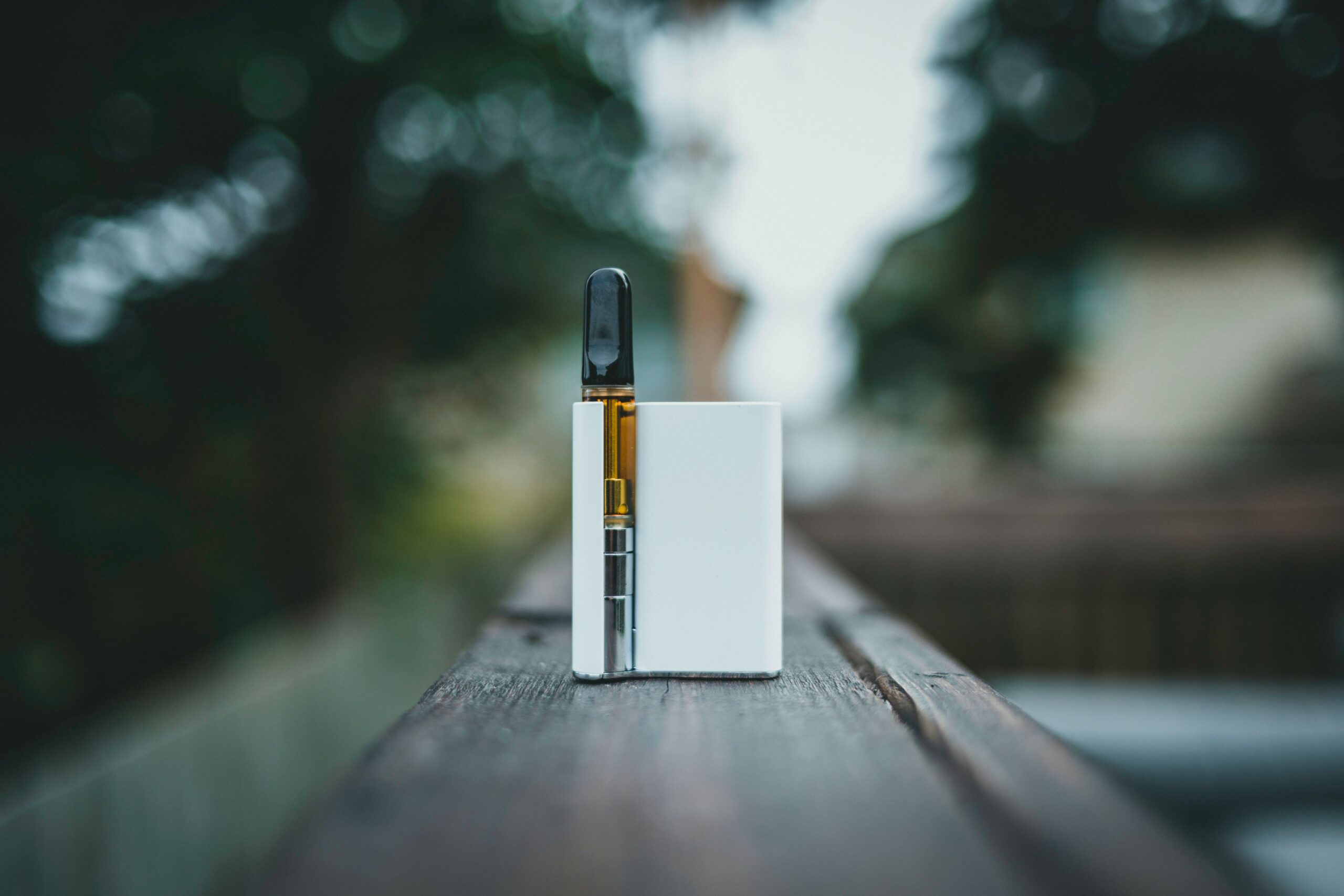

What to Do When Your Vape Is Hard to Draw

Start with simple external checks.

Clean the Exterior

Wipe visible moisture and residue from the mouthpiece and exterior.

Check Airflow Openings

Inspect visible openings for lint, dust, or other obstructions.

Keep the Vape Upright

Place the device upright in a clean, dry location and monitor whether the draw improves.

Stop If the Problem Persists

If the draw remains severely restricted, don’t forcefully inhale or dismantle the device.

Instead, follow the manufacturer’s troubleshooting guidance or replace the device when appropriate.


Common Mistakes to Avoid

Forcing Air Through the Device

Taking extremely hard puffs won’t reliably clear a blockage.

Instead, it can worsen liquid movement through the airflow system.

Using Sharp Objects

Don’t poke the mouthpiece or airflow openings with metal objects.

You could damage internal components.

Opening a Disposable Vape

Sealed disposable vapes aren’t designed for user repairs.

Therefore, don’t cut or dismantle the casing to investigate airflow problems.

Ignoring Other Warning Signs

A tight draw accompanied by leaking, excessive heat, swelling, smoke, or unusual smells requires additional caution.

Stop using the device rather than attempting to force it back into operation.


Recommended Vape Collections

If your device continues to have airflow problems and has reached the end of its usable life, explore other options from your available collections.

iGet Bar 3500 Puffs

https://avorrasupply.com/product-category/iget-vape/iget-bar-3500-puffs

Explore the iGet Bar 3500 Puffs collection for compact disposable vape options.

iGet Moon K5000 Puffs

https://avorrasupply.com/product-category/iget-vape/iget-moon-k5000-puffs

Browse the iGet Moon K5000 Puffs collection for portable disposable vape options.

iGet One 12000 Puffs

https://avorrasupply.com/product-category/iget-vape/iget-one-12000-puffs

Discover the iGet One 12000 Puffs collection for high-capacity disposable vape options.


Why Is My Vape Hard to Draw?

Frequently Asked Questions

Why Is My Vape Hard to Draw?

A vape can become hard to draw because of blocked airflow, condensation, e-liquid buildup, physical damage, or an airflow design that naturally provides a tighter draw.

Therefore, compare the current draw with the way your device performed when you first used it. A sudden change usually deserves closer attention.

Why is my disposable vape suddenly hard to hit?

A sudden restriction can result from condensation, e-liquid entering the airflow pathway, or debris around the mouthpiece.

Furthermore, physical damage can affect the internal airflow structure. Check the exterior first and avoid dismantling the device.

Can condensation make a vape hard to draw?

Yes.

Condensation can collect inside the mouthpiece or airflow pathway and restrict air movement. Consequently, the vape may feel tighter or produce a gurgling sound.

Can e-liquid block airflow?

Yes.

E-liquid can sometimes enter the airflow pathway and interfere with normal air movement. Therefore, a tight draw combined with gurgling or liquid around the mouthpiece can indicate excess e-liquid.

Why Is My Vape Hard to Draw after charging?

Charging itself doesn’t normally create a permanent airflow restriction. However, changes in temperature during or after charging can affect condensation and e-liquid movement.

If the draw remains unusually tight, inspect the device for other signs of damage or malfunction.

Can a dirty mouthpiece make a vape hard to draw?

Yes.

Lint, dust, condensation, or residue around the mouthpiece can restrict airflow. Therefore, keep the exterior and accessible airflow areas clean.

Should I take harder puffs if my vape is difficult to draw?

No.

Taking harder puffs won’t reliably remove a blockage. Instead, forceful inhalation can pull additional e-liquid toward the airflow pathway in some devices.

Can I use a needle to unblock my vape?

You shouldn’t insert needles or other sharp objects into a vape.

They can damage internal components, puncture parts of the device, or push debris deeper into the airflow pathway.

Why Is My Vape Hard to Draw even when it isn’t empty?

An empty e-liquid reservoir isn’t the only possible cause of a tight draw.

Airflow restrictions, condensation, e-liquid buildup, or physical damage can all create the same symptom. Therefore, check the airflow system and overall device condition.

When should I replace a vape with a tight draw?

If the draw remains severely restricted after basic external checks, or if the device also leaks, becomes unusually hot, shows physical damage, or develops other abnormal behaviour, replacement may provide the safer option.


When a Hard Draw Means You Should Replace Your Vape

Not every restricted draw means that your vape has reached the end of its life. Nevertheless, some combinations of symptoms indicate that continued use may not make sense.

Persistent Airflow Restriction

If Why Is My Vape Hard to Draw? remains a question even after you check the mouthpiece and visible airflow openings, the device may have an internal problem.

Don’t attempt to dismantle a sealed disposable vape. Instead, follow the manufacturer’s troubleshooting instructions or replace the device.

Leakage and Restricted Airflow

A tight draw accompanied by persistent e-liquid leakage can indicate an internal airflow or reservoir problem.

Consequently, avoid repeatedly using the device in an attempt to restore normal performance.

Excessive Heat

If your vape becomes unusually hot while you experience a restricted draw, stop using it.

Likewise, swelling, smoke, unusual smells, or visible battery damage require immediate caution.

Physical Damage

A device that develops a hard draw after being dropped, crushed, or otherwise damaged may have internal structural problems.

Therefore, don’t assume that normal vapour production means the device remains in good condition.


How to Keep Your Vape Easy to Draw

Preventing airflow problems starts with consistent handling.

Keep the Mouthpiece Clean

Regularly check the mouthpiece for visible moisture, lint, or residue.

Furthermore, wipe the exterior with a clean tissue when necessary.

Store the Device Correctly

Keep your vape in a cool, dry environment away from direct sunlight and extreme temperatures.

Whenever practical, store it upright to reduce unnecessary e-liquid movement.

Avoid Excessive Force

Use comfortable draws instead of repeatedly inhaling with extreme force.

Consequently, you can reduce unnecessary e-liquid movement through the airflow pathway.

Protect the Device

Keep your vape away from heavy objects, sharp items, and situations where it could fall or become crushed.

Proper handling can help preserve the device’s casing and internal airflow structure.


Key Takeaways

  • Why Is My Vape Hard to Draw? Common answers include blocked airflow, condensation, e-liquid buildup, debris, and physical damage.
  • A naturally tight draw doesn’t necessarily indicate a problem.
  • A sudden change in airflow deserves closer attention.
  • Keep the mouthpiece and accessible airflow openings clear.
  • Don’t insert needles, pins, or other sharp objects into your vape.
  • Excess e-liquid can interfere with airflow and create a tight draw.
  • Avoid extremely forceful puffs when airflow feels restricted.
  • Store your device in a cool, dry environment and protect it from physical damage.
  • A tight draw combined with leaking, excessive heat, swelling, smoke, or unusual smells requires additional caution.
  • Finally, replace a disposable vape when persistent airflow problems indicate that the device has reached the end of its usable life.

Conclusion

If you’re asking Why Is My Vape Hard to Draw?, start by checking the simplest possible causes. A blocked mouthpiece, condensation, e-liquid buildup, or debris can restrict airflow and make inhalation noticeably more difficult.

Furthermore, storage and handling can influence the problem. Keeping your device away from extreme temperatures, protecting it from physical impacts, and maintaining clean airflow openings can help reduce avoidable restrictions.

However, Why Is My Vape Hard to Draw? can sometimes have a more serious answer. Persistent leakage, physical damage, excessive heat, swelling, smoke, or unusual smells can indicate a device problem that requires more caution. In these situations, don’t forcefully inhale through the vape or attempt to dismantle it.

Ultimately, understanding Why Is My Vape Hard to Draw? allows you to distinguish normal airflow characteristics from sudden performance changes. Check the accessible parts first, follow the manufacturer’s instructions, and replace the device when persistent problems indicate that it no longer performs reliably.


Related Articles

  • Why Is My Vape Not Hitting?
  • Why Is My Vape Gurgling?
  • Why Is My Disposable Vape Leaking?
  • Why Does My Vape Taste Weak?
  • How to Prevent Vape Leaks
Back to Top
error: Content is protected !!
Product has been added to your cart
Compare (0)