Home
Shop
Wishlist0
ONE DAY. ONE EXCLUSIVE DISCOUNT. 25% DISCOUNT. EVERY TUESDAY.
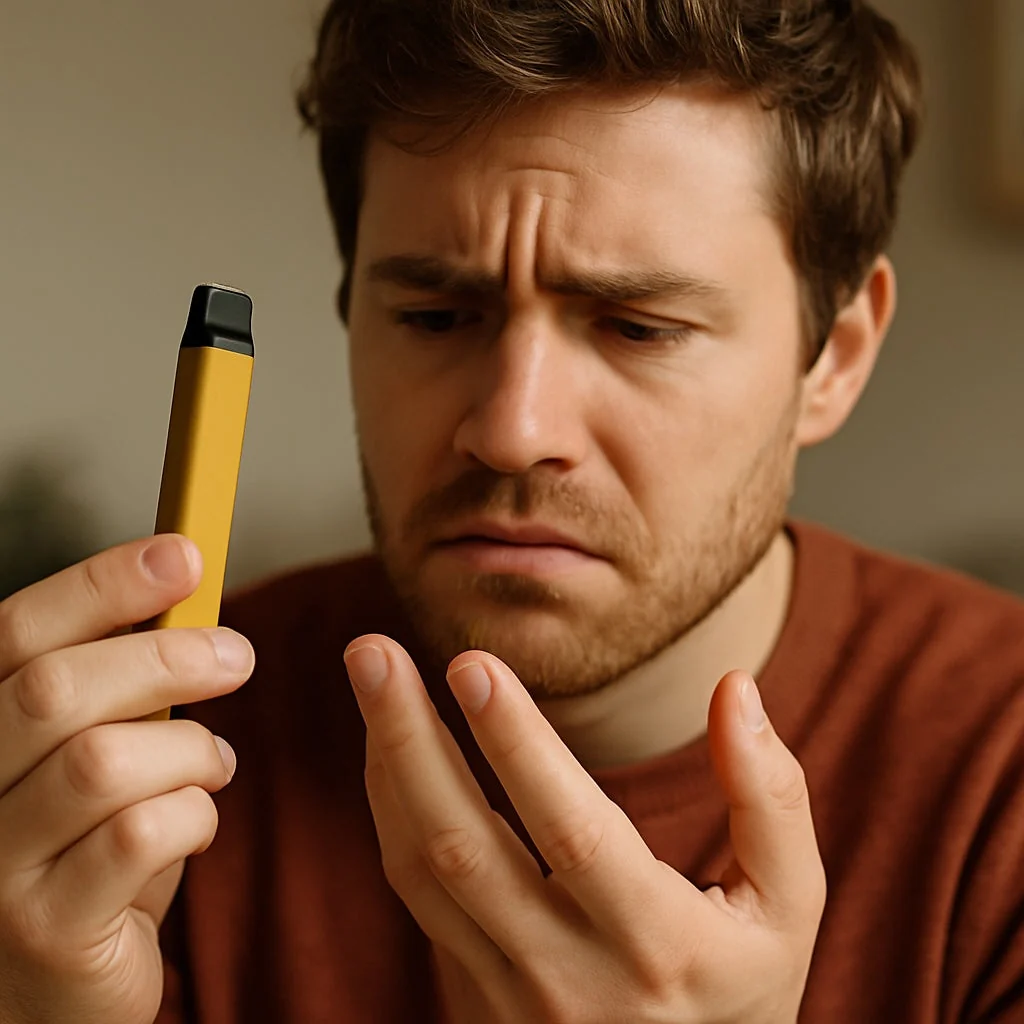
Why does my vape taste Metallic

Why Does My Vape Taste Metallic

Why does my vape taste metallic is a common and often overlooked question. In most cases, it points to something happening at the coil, not the e-liquid itself.

This guide breaks down the most likely causes and what to check first. If your current coil is the culprit, our shop has replacement options ready.

Why Does My Vape Taste Metallic? The Coil Is Usually the Cause

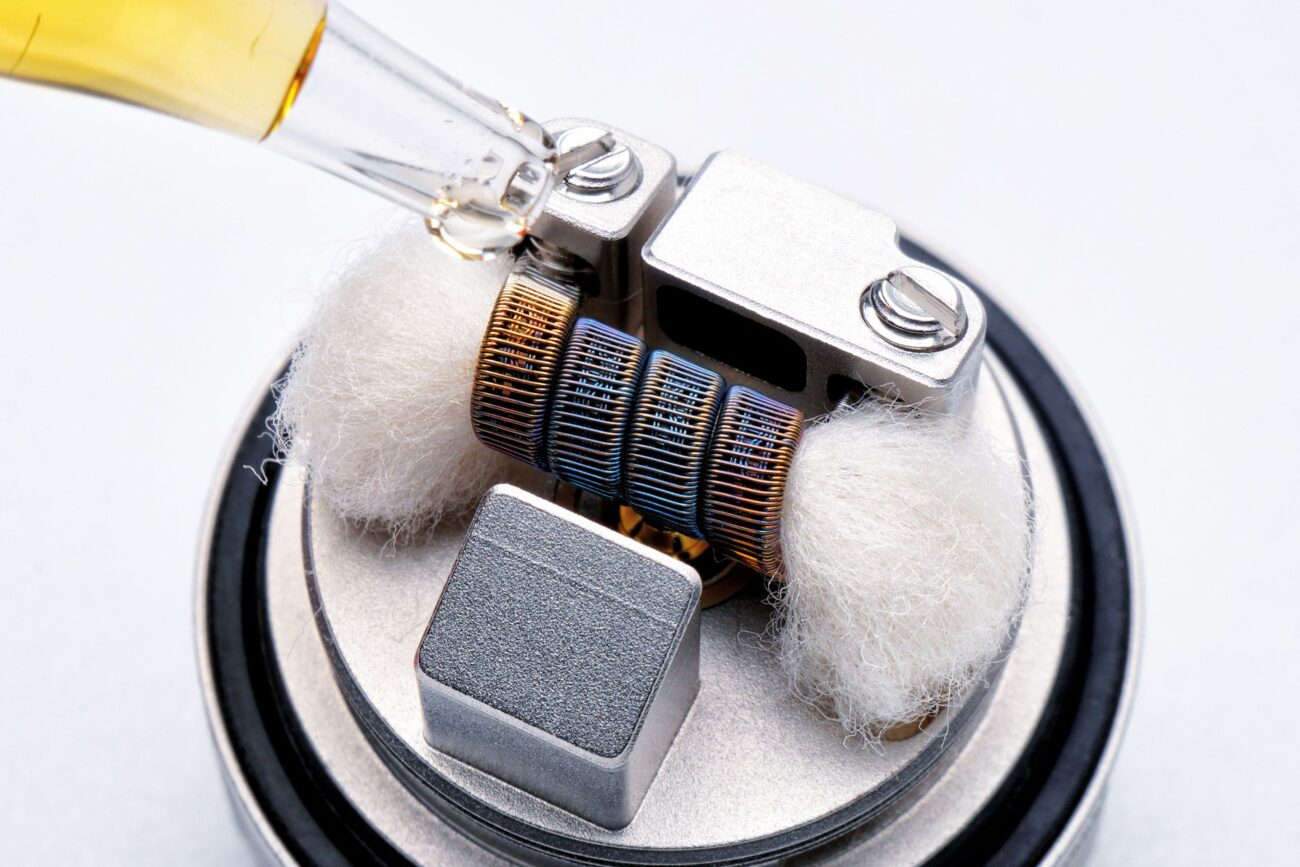
Most disposable and refillable coils use metals like Kanthal or nichrome. Under normal conditions, e-liquid keeps that metal cool as it vaporizes.

If the wick runs dry, even briefly, the coil’s metal can overheat. That overheating is a common source of a sharp, metallic taste.

A Worn-Out Coil Often Signals the End of Its Life

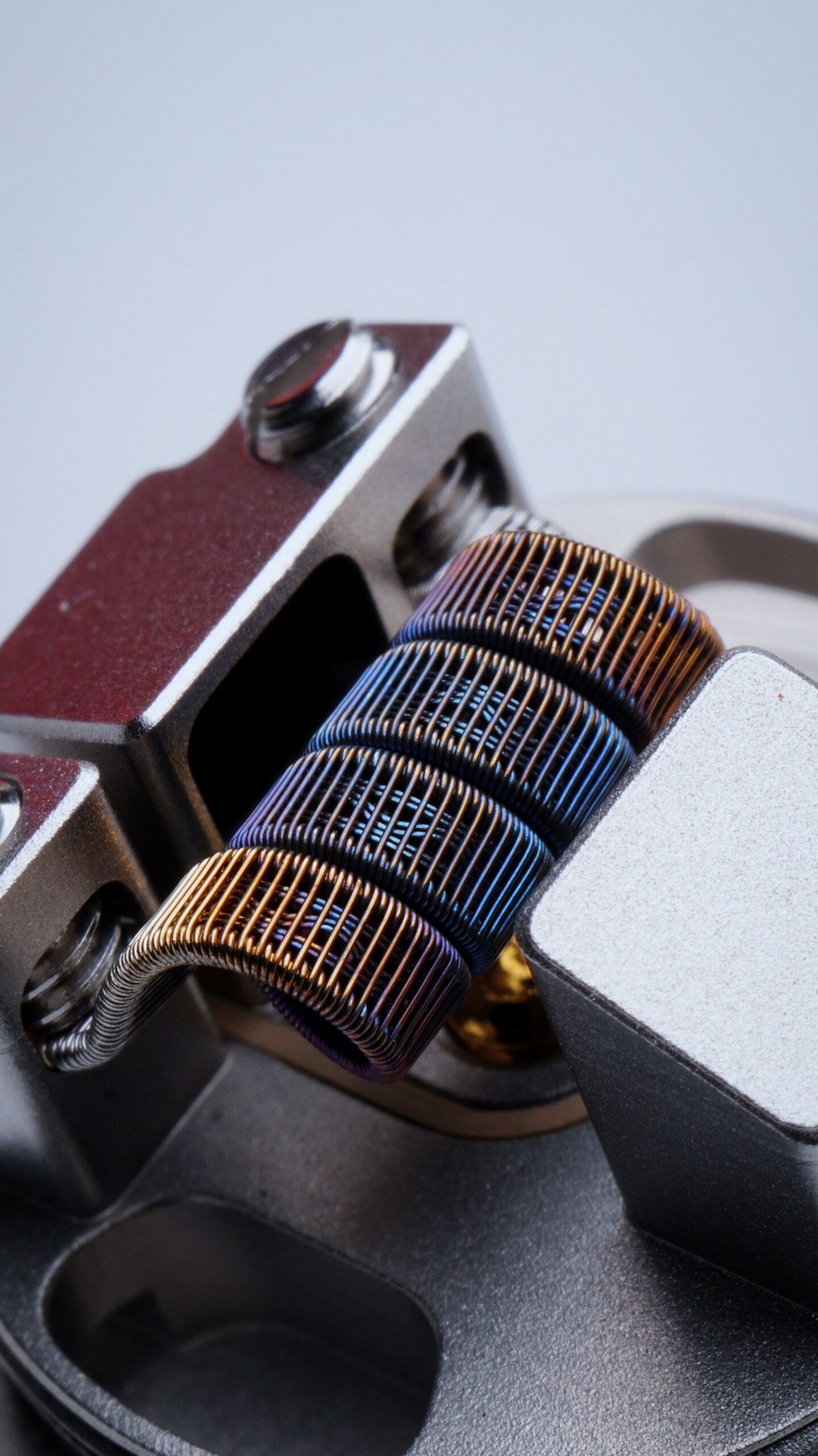
Coils naturally degrade with regular use. As they age, they can start producing a metallic or tinny taste even under normal conditions.

If you’ve had the same coil for one to three weeks and taste starts shifting, replacement usually resolves the issue.

Why does my vape taste Metallic

Why Does My Vape Taste Metallic Right After Refilling?

A metallic taste appearing right after refilling can point to residue buildup on the coil from a previous e-liquid.

Cleaning the tank thoroughly before refilling, or switching to a fresh coil, often eliminates this taste quickly.

Vaper’s Tongue Can Play a Role Too

Sometimes the issue isn’t the device at all. Vaper’s tongue, a temporary loss of taste sensitivity, can make flavors taste flat or oddly metallic.

Switching flavors briefly or taking a short break often helps restore normal taste perception.

Why does my vape taste Metallic

What Research Says About Metal in Vapor

A study from Johns Hopkins Bloomberg School of Public Health found that a significant number of e-cigarette devices produced aerosols containing measurable levels of metals including lead, chromium, and nickel.

Researchers noted that heating coils are a likely source of this metal transfer, since coils are commonly made from these materials.

This doesn’t mean every metallic taste signals a health concern, but it’s a reasonable reminder that coil condition matters beyond flavor alone.

Why Does My Vape Taste Metallic With High Wattage?

Running a coil above its rated wattage heats the metal faster than the e-liquid can properly vaporize.

This imbalance can intensify a metallic taste, particularly if it happens alongside a dry or under-saturated wick.

Quick Checks to Try First

Work through these steps before assuming the device is defective:

  • Check how long you’ve had the current coil installed
  • Make sure the wick is fully saturated before vaping
  • Try a different flavor to rule out vaper’s tongue
  • Confirm your wattage matches the coil’s rated range
  • Clean the tank if the taste appeared after refilling

Frequently Asked Questions

Should I stop using a device if it tastes metallic?
If replacing the coil doesn’t resolve it, discontinuing use of that specific device is a reasonable precaution.

Can e-liquid itself cause a metallic taste?
It’s less common, but certain flavor compounds can interact with metal components under some conditions.

How often should I replace my coil to avoid this?
Most coils need replacing every one to three weeks, depending on usage and e-liquid type.

Dealing with a coil that just won’t taste right? Get in touch with our team and we’ll help you find a replacement.

How to troubleshoot Disposable vapes

How To Troubleshoot Disposable Vapes

How to troubleshoot disposable vapes comes down to working through a few checks in order. Most issues resolve within the first two or three steps.

This guide walks through that process step by step, so you can pinpoint the problem quickly. If the device turns out to be a dud, our shop has reliable replacements ready.

How to Troubleshoot Disposable Vapes: Start With the Airflow

Check the intake holes on the bottom or sides of the device first. Packaging stickers sometimes cover these holes on a brand-new device.

Clear any visible lint or debris with a toothpick. Avoid pushing anything directly toward the coil while doing this.

Take a slow, steady draw after clearing the airflow. If vapor appears, the blockage was the issue.

How to troubleshoot Disposable vapes

Check for Trapped Air Bubbles

If airflow is clear but vapor still isn’t coming through, an air bubble may be blocking e-liquid from reaching the coil.

Tap the device gently against your palm a few times. This often helps redistribute the liquid toward the wick.

Let the device sit upright for a minute or two afterward, then try again.

How to Troubleshoot Disposable Vapes When It’s Cold

Cold temperatures thicken e-liquid, which can prevent it from properly saturating the wick.

Warm the device between your hands for a few minutes if it’s been sitting in a cold car or outdoors.

Try a draw again once the device feels closer to room temperature.

Inspect for Leaking

If e-liquid has leaked, wipe the device down and check its storage position. Devices designed to sit upright can leak if stored on their side.

Move the device to an upright position and let it settle for a few minutes before using it again.

If leaking happened right out of the packaging, that generally points to a manufacturing defect rather than a fixable issue.

Test the Battery

Take a draw and watch for an LED light, if your device has one. A blinking or dim light often signals a low or dying battery.

If your device is rechargeable, plug it in and wait for the indicator to confirm a full charge before testing it again.

The Consumer Product Safety Commission notes that damaged lithium-ion batteries can overheat, so stop using the device immediately if it feels unusually hot during this step.

Taste Test for Burnt Flavor

If you get vapor but the taste is harsh or burnt, the wick has likely dried out and scorched.

This usually means the device has reached the end of its usable life, since a disposable’s burnt wick can’t be repaired.

How to troubleshoot Disposable vapes

How to Troubleshoot Disposable Vapes: When Nothing Works

If you’ve worked through airflow, battery, and temperature checks with no result, the device likely has a manufacturing defect.

Document the issue with a photo or short video, and contact the retailer promptly rather than attempting to open the device yourself.

Quick Troubleshooting Checklist

Run through these checks in order for the fastest results:

  • Clear the airflow holes and mouthpiece
  • Tap the device to dislodge air bubbles
  • Warm the device if it’s been in the cold
  • Check for leaks and correct the storage position
  • Test the battery and watch the LED indicator
  • Taste-test for a burnt or scorched flavor

Frequently Asked Questions

How long should I wait after warming a cold device?
A few minutes is usually enough before the e-liquid returns to a workable consistency.

Can I open a disposable vape to troubleshoot it further?
No. Manufacturers don’t design these devices to be opened, and doing so can create a safety risk.

When should I stop troubleshooting and contact the retailer?
Once you’ve tried airflow, temperature, and battery checks without success, further troubleshooting rarely helps.

Still stuck after trying these steps? Get in touch with our team and we’ll help you sort it out.

Common Disposable Vape Problems

Common Disposable Vape Problems

Common disposable vape problems usually fall into a handful of categories: no vapor, leaking, weak battery, and burnt taste. Most have a simple, practical fix.

This guide breaks down what’s actually happening in each case, so you can troubleshoot before assuming your device is broken. If it turns out to be a dud, our shop has reliable replacements ready.

Common Disposable Vape Problems: No Vapor at All

A disposable vape uses a small sensor that detects your inhale and triggers the heating element. If something blocks the airflow, that sensor never activates properly.

Check the intake holes on the bottom or sides of the device for a shipping sticker or trapped lint. New devices sometimes still have packaging covering these holes.

If airflow is clear and there’s still no vapor, an air bubble may be blocking e-liquid from reaching the coil. Gently tapping the device against your palm can help dislodge it.

Leaking E-Liquid

Leaking is often caused by storage position rather than a defect. Disposables are designed to sit upright, and storing one on its side lets liquid seep toward the mouthpiece.

Temperature swings can also cause e-liquid to expand and push outward, especially after a hot car or direct sunlight exposure.

If a device leaks straight out of the packaging, that generally points to a manufacturing defect rather than something you did wrong.

Common Disposable Vape Problems

Common Disposable Vape Problems With Battery Life

If the battery dies well before the e-liquid runs out, heavy chain vaping is often the reason. Frequent, rapid puffs drain a battery faster than expected.

Cold weather also temporarily reduces battery output, which can make a device feel weaker than usual in winter months.

The Consumer Product Safety Commission notes that damaged lithium-ion batteries commonly cause overheating, so don’t force a device to keep working if it gets unusually hot alongside battery issues.

Burnt or Harsh Taste

A burnt taste usually means the wick has dried out and scorched, either from an empty e-liquid reservoir or excessive chain vaping.

Unlike refillable devices, you can’t fix a disposable’s burnt wick. Once this happens, the device has reached the end of its usable life.

Common Disposable Vape Problems: Weak or Inconsistent Flavor

Flavor that fades before the device finishes can point to uneven wick saturation or a lower-quality e-liquid formulation.

Taking slower, paced draws rather than rapid puffs generally helps maintain more consistent flavor throughout the device’s life.

Dead on Arrival Devices

Occasionally, a brand-new device produces no vapor and shows no LED light at all, even after basic troubleshooting.

This typically indicates a manufacturing defect rather than something fixable at home. Documenting the issue and returning it to the retailer is the appropriate next step.

Common Disposable Vape Problems

How to Prevent Most of These Issues

A few consistent habits prevent the majority of common problems:

  • Store the device upright, away from extreme heat or cold
  • Pace your draws instead of chain vaping
  • Check airflow holes if vapor suddenly stops
  • Avoid leaving the device in a hot car or direct sunlight
  • Contact the retailer promptly if a new device seems faulty

Frequently Asked Questions

Can I fix a burnt wick myself?
No. Once a disposable’s wick burns, it needs replacing entirely.

Is leaking always a sign of a defective device?
Not always. Storage position and temperature changes are common, non-defect causes of leaking.

Should I try to open a disposable vape to fix it?
No. Manufacturers don’t design these devices to be opened or repaired, and doing so can create a safety risk.

Dealing with a device that just won’t cooperate? Get in touch with our team and we’ll help you sort it out.

How to Clean the Mouthpiece

How to Clean the Mouthpiece

How to clean the mouthpiece properly comes down to a few basic tools and a habit worth building. It’s one of the most overlooked parts of regular vape maintenance.

This guide breaks down exactly what to use, what to avoid, and how often to do it. If your current device needs replacing altogether, our shop has plenty of options ready.

How to Clean the Mouthpiece: Why It Matters

The mouthpiece touches your mouth every time you vape. Oils, condensation, and everyday grime build up there faster than most people realize.

Beyond hygiene, buildup can also restrict airflow and dull flavor over time. A quick clean addresses both issues at once.

How to Clean the Mouthpiece

What Causes Buildup in the First Place

As vapor cools, it condenses back into a thin liquid film inside the mouthpiece. This is a completely normal part of how vaping works.

Over time, that condensation mixes with dust and pocket lint, especially if the device is carried loose with keys or coins.

Left uncleaned, this residue can harden and gradually narrow the airflow path.

How to Clean the Mouthpiece Step by Step

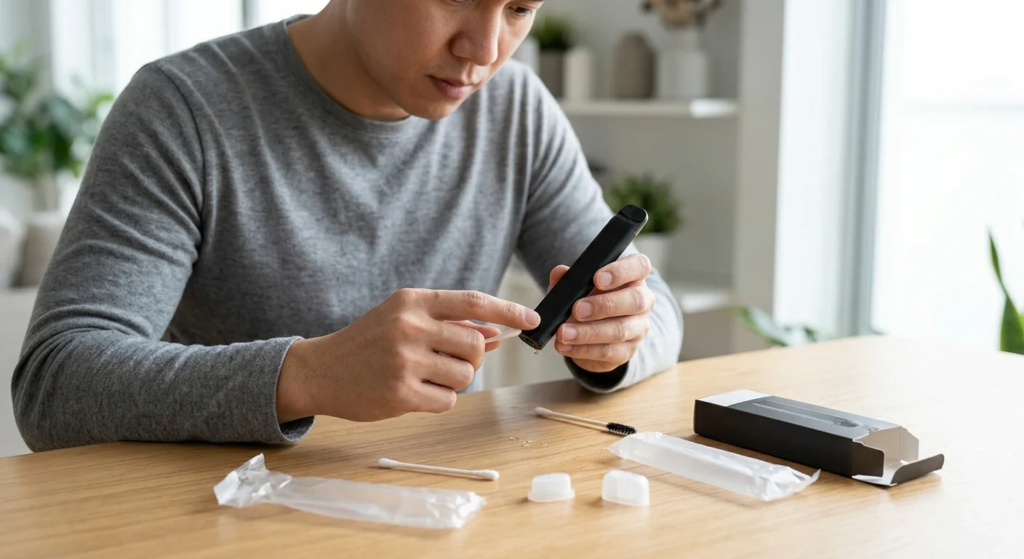
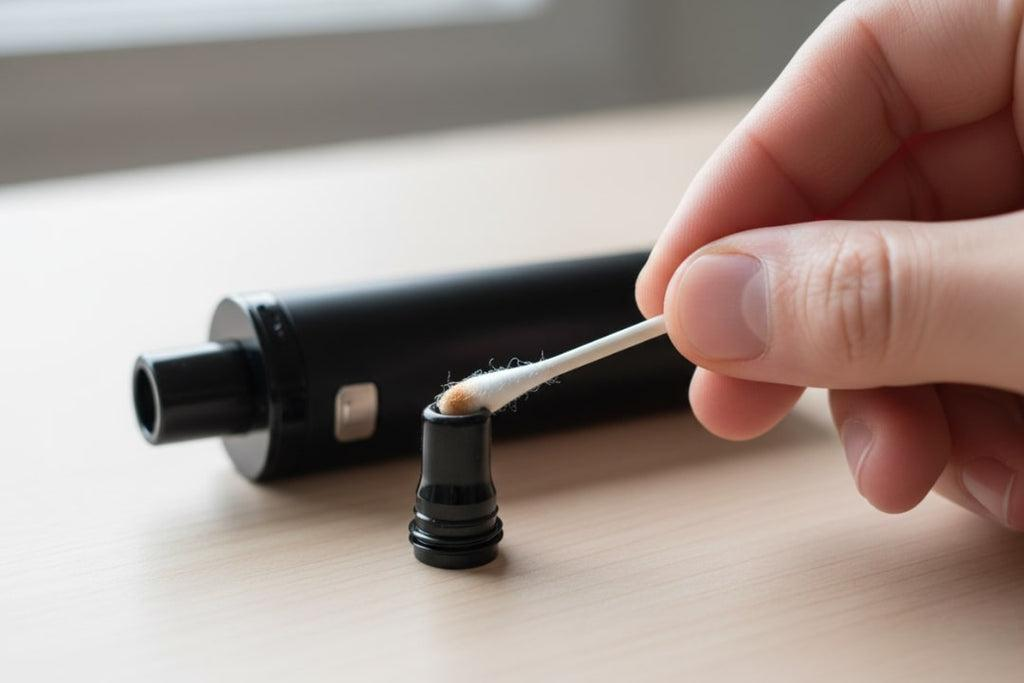
Start with a dry cotton swab to wipe away visible condensation from the interior surface.

Dampen a fresh swab lightly with isopropyl alcohol and gently clean both the inside and outside of the mouthpiece. According to the CDC, isopropyl alcohol concentrations between 60% and 90% are effective for disinfecting surfaces, which is why it’s a common choice for this kind of cleaning.

Let the alcohol fully evaporate before using the device again. This usually takes less than a minute.

Clearing Lint and Fiber Buildup

A toothpick or a clean, unused pin works well for gently clearing lint from the mouthpiece opening. Move slowly to avoid pushing debris further inside.

Avoid using metal objects with sharp edges that could scratch or damage the internal components.

What to Never Do When Cleaning

Never submerge a vape device in water. Water can easily enter the airflow intake or charging port and cause internal damage.

Avoid harsh chemicals like bleach, which can be harmful and may degrade the plastic or rubber components.

Never use the device while it’s still wet from cleaning. Let it dry fully before your next puff.

How to Clean the Mouthpiece: How Often Is Enough

A quick daily wipe is usually enough to prevent significant buildup from forming.

If you notice reduced airflow, a change in flavor, or visible residue, that’s a sign it’s time for a deeper clean regardless of your usual schedule.

How to Clean the Mouthpiece

Signs It’s Time to Replace Instead of Clean

Sometimes cleaning isn’t enough. A few signs suggest replacement is the better option:

  • Persistent burnt taste even after cleaning
  • Visible cracking or damage to the mouthpiece
  • Airflow that stays restricted despite clearing debris
  • Leaking that continues after cleaning
  • A mouthpiece that’s become loose or ill-fitting

Frequently Asked Questions

Can I clean the mouthpiece with just water?
Water alone isn’t very effective at removing oils and residue. Isopropyl alcohol works significantly better for this purpose.

How long should I let the alcohol dry before using my device?
Under a minute is usually enough, but waiting a bit longer doesn’t hurt if you’re unsure.

Is it normal for condensation to build up quickly?
Yes, especially with frequent use. This is a normal part of the vaping process, not a sign of malfunction.

Need a replacement device instead? Get in touch with our team and we’ll help you find the right one.

Why Is My Vape Making Noise

Why Is My Vape Making Noise?

Why is my vape making noise is a common question, and the honest answer is: a little crackling is completely normal. Not all vape sounds mean something is wrong.

This guide breaks down which noises are expected and which ones signal an actual problem worth addressing. If your device turns out to need replacing, our shop has reliable options ready.

Why Is My Vape Making Noise? A Little Crackling Is Normal

A light crackling sound is simply e-liquid vaporizing against the hot coil. This happens in nearly every device, especially with a fresh coil.

Higher wattage devices tend to crackle more noticeably, since they heat the coil faster and produce more vapor per puff.

This kind of sound isn’t a safety concern. It’s the coil doing exactly what it should do.

Why Is My Vape Making Noise

Popping and Spitting Sounds

A popping or spitting sound usually means e-liquid vaporized too quickly at that spot on the coil. This is often linked to power settings.

Surprisingly, this is more commonly caused by wattage that’s too low, not too high. Low power can leave residual liquid unvaporized, which builds up and eventually pops.

Why Is My Vape Making Noise Like Gurgling?

Gurgling is different from a light crackle. It usually means the coil is flooded with more e-liquid than it can vaporize efficiently.

This can happen from overfilling a tank, over-priming a new coil, or using power that’s too low for the e-liquid’s thickness.

If gurgling continues, some liquid may even make it into your mouth during a puff, which is a clear sign something needs adjusting.

What Wattage Has to Do With It

Running a coil below its rated wattage often causes gurgling, since the e-liquid isn’t vaporizing fast enough to keep up.

Running well above the rated wattage can cause sharper, more aggressive crackling and popping instead.

Staying within the coil’s printed wattage range generally keeps noise at a normal, manageable level.

pexels themeditators 23319716 (1)

Why Is My Vape Making Noise After Refilling?

Some crackling or popping right after a refill is expected. The wick is reabsorbing liquid, and a bit of noise during that adjustment is normal.

If the noise continues well past the first few puffs, an oversaturated or flooded coil is the more likely explanation.

When Vape Noise Signals a Real Problem

Occasional light crackling rarely indicates an issue. But a few signs are worth paying closer attention to:

  • Loud, persistent gurgling that doesn’t settle after a few puffs
  • Noise paired with a burnt or off taste
  • Noise accompanied by visible leaking
  • A sudden change in sound from a device that was previously quiet
  • Any noise paired with unusual heat from the device

What to Do About Excess Noise

Try adjusting your wattage slightly, either up or down, depending on whether you’re hearing crackling or gurgling.

Make sure you haven’t overfilled the tank or over-primed the coil with excess e-liquid before use.

If noise continues alongside a burnt taste or leaking, the coil likely needs replacing.

Frequently Asked Questions

Is it normal for a brand-new coil to be noisier?
Yes. New coils often crackle more during the first several puffs as the wick settles in.

Can e-liquid thickness affect how loud my vape is?
Yes. Thinner e-liquids tend to crackle more, while thicker, high-VG liquids are generally quieter.

Should I worry if my vape suddenly gets much louder?
A sudden change is worth investigating, especially if it comes with a burnt taste or leaking.

Dealing with a device that just won’t quiet down? Get in touch with our team and we’ll help you figure it out.

How to Prevent Burnt Hits

How To Prevent Burnt Hits

How to prevent burnt hits comes down to one core principle: keeping the wick saturated before the coil ever heats it. Most burnt hits are avoidable with a few consistent habits.

This guide breaks down exactly why burnt hits happen and what actually stops them. If your current coil is already past saving, our shop has replacement options ready.

How to Prevent Burnt Hits Starts With Understanding the Cause

A burnt hit happens when the coil heats dry cotton instead of e-liquid-saturated wick. The FDA describes this wicking material as the component that carries e-liquid to the heating element.

When there’s not enough liquid reaching that wick, the coil scorches it directly. That’s what produces the harsh, acrid taste vapers dread.

How to Prevent Burnt Hits

Always Prime a New Coil First

A brand-new coil’s wick starts completely dry. Firing it immediately, before it’s had time to absorb e-liquid, almost guarantees a burnt first hit.

Add a few drops of e-liquid directly onto the visible cotton before installing a new coil. Let it sit for several minutes afterward.

Giving the wick time to fully saturate before your first puff prevents most early burnt hit problems.

How to Prevent Burnt Hits by Avoiding Chain Vaping

Taking rapid, back-to-back puffs doesn’t give the wick enough time to reabsorb e-liquid between draws.

Spacing out your puffs by a few seconds allows the wick to stay properly saturated throughout your session.

This single habit prevents a large share of burnt hits, especially during heavier vaping sessions.

Keep Your Tank or Pod Topped Up

Vaping on a nearly empty tank exposes the wicking ports to air instead of liquid. This is one of the most common preventable causes.

Refill before the e-liquid drops below the wick’s absorption points, rather than waiting until the tank runs completely dry.

How to Prevent Burnt Hits With the Right Wattage

Every coil has a recommended wattage range, usually printed directly on it. Exceeding that range vaporizes e-liquid faster than the wick can resupply it.

Staying within the coil’s rated wattage keeps heat and liquid delivery balanced, reducing the risk of scorching the wick.

Match E-Liquid Thickness to Your Coil

Thicker, high-VG e-liquids can struggle to saturate coils with small wicking ports. Thinner e-liquids generally absorb faster.

Check your coil’s design and choose an e-liquid thickness suited to it, rather than assuming any e-liquid will work the same way.

How to Prevent Burnt Hits

Recognize the Warning Sign Before It’s Too Late

A dry hit, a slightly harsh, muted puff, is usually the warning sign right before a full burnt hit.

If a puff tastes even slightly off, stop and let the wick rest for a moment. Continuing through it often finishes the job of ruining the coil.

Frequently Asked Questions

Can a burnt coil be fixed once it happens?
No. Once the wicking material has actually burned, the coil needs to be replaced entirely.

Does cold weather make burnt hits more likely?
Yes. Cold thickens e-liquid, which can slow wick absorption and increase the risk of a dry hit.

How long should I wait after priming a new coil?
Around five to ten minutes is a common baseline, though thicker e-liquids may need slightly longer.

Dealing with a coil that just won’t behave? Get in touch with our team and we’ll help you find a reliable replacement.

Why Is My Vape Hard to Draw?

Why Is My Vape Hard to Draw?

Why Is My Vape Hard to Draw? A tight or restricted draw can make a vape feel noticeably different from normal. Instead of allowing air to move smoothly through the device, something may restrict the airflow pathway. In some cases, condensation or debris can create the restriction, while other situations can involve e-liquid buildup or a device-related problem.

Furthermore, airflow differs between vape designs. Some devices intentionally provide a tighter draw, while others allow significantly more air to enter. Therefore, you should first determine whether the draw has actually changed or whether the device naturally uses a more restricted airflow design.

If your vape previously felt easy to inhale but suddenly becomes difficult, however, the change deserves attention. For example, a blocked mouthpiece, excessive condensation, or an obstruction around the airflow openings can make inhalation harder.

Consequently, understanding the cause can help you distinguish a normal tight draw from a developing device problem. This guide explains Why Is My Vape Hard to Draw?, what commonly causes restricted airflow, how to check your device safely, and when replacement makes more sense.


Article Summary

In this guide, you’ll discover:

  • Why a vape can develop a tight draw
  • How blocked airflow affects inhalation
  • Why condensation can restrict airflow
  • How e-liquid buildup can contribute to a difficult draw
  • What to check when your vape suddenly becomes tight
  • When you should stop using or replace the device

In This Guide You’ll Learn

  • Why Is My Vape Hard to Draw?
  • How to identify common airflow restrictions
  • Why the mouthpiece can affect your draw
  • How storage and handling can influence airflow
  • When a tight draw indicates a damaged device

Table of Contents

  • What Does a Hard Vape Draw Mean?
  • Why Is My Vape Hard to Draw?
  • Check the Mouthpiece
  • Inspect the Airflow Openings
  • Condensation Can Restrict Airflow
  • E-Liquid Can Affect the Draw
  • Storage Can Influence Airflow
  • How Usage Habits Affect the Draw
  • What to Do When Your Vape Is Hard to Draw
  • Common Mistakes to Avoid
  • Recommended Vape Collections
  • Frequently Asked Questions
  • Key Takeaways
  • Conclusion

What Does a Hard Vape Draw Mean?

A hard draw means that you need more effort than usual to inhale through the device.

Normally, air moves through the intended airflow pathway as you inhale. However, an obstruction can reduce that airflow and create a noticeably tighter sensation.

A Naturally Tight Draw

Some vape devices intentionally use restricted airflow.

Therefore, a tight draw doesn’t automatically indicate a problem. Compare the current draw with the way the device performed when you first used it.

A Suddenly Restricted Draw

If the device previously allowed normal airflow but suddenly becomes difficult to inhale, investigate the change.

For example, condensation, e-liquid, lint, or another obstruction may affect the airflow pathway.

A Completely Blocked Draw

A device that allows almost no airflow requires additional caution.

Don’t forcefully inhale through it or attempt to insert sharp objects into the mouthpiece or airflow openings.


Why Is My Vape Hard to Draw?

Several factors can make a vape difficult to inhale.

Blocked Airflow

A blockage represents one of the simplest explanations.

Dust, lint, condensation, or other debris can interfere with airflow openings. Consequently, the draw can become tighter than normal.

Condensation Buildup

Vapour can cool and create moisture inside the mouthpiece or airflow pathway.

Over time, that moisture can restrict airflow and contribute to a bubbling or tight sensation.

Excess E-Liquid

E-liquid can sometimes move into the airflow pathway.

When that happens, air may struggle to move through the device normally. Furthermore, you may notice gurgling, popping, or liquid around the mouthpiece.

Physical Damage

Dropping or crushing a vape can affect the casing and internal airflow structure.

Therefore, a tight draw that begins immediately after physical impact may indicate device damage.


Check the Mouthpiece

The mouthpiece provides the final pathway through which vapour reaches you.

Look for Visible Obstructions

Inspect the mouthpiece under good lighting.

Check for visible condensation, e-liquid, lint, or other debris. If you see moisture, wipe the exterior with a clean tissue.

Don’t Insert Sharp Objects

Avoid using pins, needles, paper clips, or other objects to clear the mouthpiece.

Such objects can damage internal components and potentially push debris deeper into the device.

Check for Persistent Moisture

If liquid repeatedly appears inside or around the mouthpiece, the problem may involve more than simple condensation.

Therefore, monitor the device rather than repeatedly inhaling through a restricted pathway.


Inspect the Airflow Openings

Airflow openings allow air to enter the device.

Keep External Openings Clear

Check the visible airflow openings for dust, lint, or other obstructions.

Consequently, keeping these areas clear can help maintain normal airflow.

Avoid Blocking the Openings

Your fingers or the way you hold the device can sometimes cover airflow openings.

Therefore, hold the vape according to its intended design and avoid deliberately covering these areas.

Don’t Modify the Airflow

Don’t drill, puncture, enlarge, or otherwise modify airflow openings.

Changing the device’s structure can affect performance and expose internal components.


Condensation Can Restrict Airflow

Condensation represents a common reason for a temporarily tight draw.

Vapour Creates Moisture

Warm vapour can cool as it travels through the mouthpiece.

As a result, small droplets can accumulate inside the airflow pathway.

Wipe the Mouthpiece

If you notice visible moisture, wipe the mouthpiece with a clean tissue.

Then check whether the draw returns to normal.

Persistent Condensation Needs Attention

If moisture repeatedly returns or the device also leaks e-liquid, gurgles, or produces weak vapour, another issue may exist.

Therefore, don’t assume that condensation explains every restricted draw.


E-Liquid Can Affect the Draw

E-liquid can sometimes move into areas that should primarily carry air.

Excess Liquid in the Airflow Path

When e-liquid enters the airflow pathway, it can interfere with normal air movement.

Consequently, the draw may feel tighter and the device may produce gurgling sounds.

Liquid Around the Mouthpiece

If e-liquid reaches the mouthpiece, stop and inspect the device.

Don’t repeatedly inhale liquid through the device.

Avoid Shaking the Vape

Shaking won’t reliably remove excess e-liquid.

Instead, unnecessary movement can encourage liquid to travel through the airflow system.


Storage Can Influence Airflow

How you store your vape can affect its condition.

Store It in a Stable Environment

Keep your vape in a cool, dry environment away from extreme temperatures.

Furthermore, avoid leaving the device in direct sunlight or inside a hot vehicle.

Keep It Protected

Loose objects inside pockets and bags can introduce lint and debris into airflow openings.

Therefore, use a clean, secure location when carrying your device.

Avoid Excessive Pressure

Don’t place heavy objects on your vape.

Physical pressure can damage the casing and potentially affect airflow.


How Usage Habits Affect the Draw

Your vaping habits can also influence airflow performance.

Avoid Extremely Forceful Puffs

Repeatedly inhaling with excessive force can pull more e-liquid toward the airflow pathway in some devices.

Therefore, use comfortable draws instead of trying to force air through a restricted device.

Allow the Device to Rest

Frequent use can increase condensation and heat around the airflow pathway.

Consequently, allowing the device to rest between periods of use can help reduce excessive moisture buildup.

Pay Attention to Changes

If Why Is My Vape Hard to Draw? becomes a question you ask after every few puffs, don’t ignore the change.

A persistent restriction can indicate a problem that requires closer inspection or replacement.


What to Do When Your Vape Is Hard to Draw

Start with simple external checks.

Clean the Exterior

Wipe visible moisture and residue from the mouthpiece and exterior.

Check Airflow Openings

Inspect visible openings for lint, dust, or other obstructions.

Keep the Vape Upright

Place the device upright in a clean, dry location and monitor whether the draw improves.

Stop If the Problem Persists

If the draw remains severely restricted, don’t forcefully inhale or dismantle the device.

Instead, follow the manufacturer’s troubleshooting guidance or replace the device when appropriate.


Common Mistakes to Avoid

Forcing Air Through the Device

Taking extremely hard puffs won’t reliably clear a blockage.

Instead, it can worsen liquid movement through the airflow system.

Using Sharp Objects

Don’t poke the mouthpiece or airflow openings with metal objects.

You could damage internal components.

Opening a Disposable Vape

Sealed disposable vapes aren’t designed for user repairs.

Therefore, don’t cut or dismantle the casing to investigate airflow problems.

Ignoring Other Warning Signs

A tight draw accompanied by leaking, excessive heat, swelling, smoke, or unusual smells requires additional caution.

Stop using the device rather than attempting to force it back into operation.


Recommended Vape Collections

If your device continues to have airflow problems and has reached the end of its usable life, explore other options from your available collections.

iGet Bar 3500 Puffs

https://avorrasupply.com/product-category/iget-vape/iget-bar-3500-puffs

Explore the iGet Bar 3500 Puffs collection for compact disposable vape options.

iGet Moon K5000 Puffs

https://avorrasupply.com/product-category/iget-vape/iget-moon-k5000-puffs

Browse the iGet Moon K5000 Puffs collection for portable disposable vape options.

iGet One 12000 Puffs

https://avorrasupply.com/product-category/iget-vape/iget-one-12000-puffs

Discover the iGet One 12000 Puffs collection for high-capacity disposable vape options.


Why Is My Vape Hard to Draw?

Frequently Asked Questions

Why Is My Vape Hard to Draw?

A vape can become hard to draw because of blocked airflow, condensation, e-liquid buildup, physical damage, or an airflow design that naturally provides a tighter draw.

Therefore, compare the current draw with the way your device performed when you first used it. A sudden change usually deserves closer attention.

Why is my disposable vape suddenly hard to hit?

A sudden restriction can result from condensation, e-liquid entering the airflow pathway, or debris around the mouthpiece.

Furthermore, physical damage can affect the internal airflow structure. Check the exterior first and avoid dismantling the device.

Can condensation make a vape hard to draw?

Yes.

Condensation can collect inside the mouthpiece or airflow pathway and restrict air movement. Consequently, the vape may feel tighter or produce a gurgling sound.

Can e-liquid block airflow?

Yes.

E-liquid can sometimes enter the airflow pathway and interfere with normal air movement. Therefore, a tight draw combined with gurgling or liquid around the mouthpiece can indicate excess e-liquid.

Why Is My Vape Hard to Draw after charging?

Charging itself doesn’t normally create a permanent airflow restriction. However, changes in temperature during or after charging can affect condensation and e-liquid movement.

If the draw remains unusually tight, inspect the device for other signs of damage or malfunction.

Can a dirty mouthpiece make a vape hard to draw?

Yes.

Lint, dust, condensation, or residue around the mouthpiece can restrict airflow. Therefore, keep the exterior and accessible airflow areas clean.

Should I take harder puffs if my vape is difficult to draw?

No.

Taking harder puffs won’t reliably remove a blockage. Instead, forceful inhalation can pull additional e-liquid toward the airflow pathway in some devices.

Can I use a needle to unblock my vape?

You shouldn’t insert needles or other sharp objects into a vape.

They can damage internal components, puncture parts of the device, or push debris deeper into the airflow pathway.

Why Is My Vape Hard to Draw even when it isn’t empty?

An empty e-liquid reservoir isn’t the only possible cause of a tight draw.

Airflow restrictions, condensation, e-liquid buildup, or physical damage can all create the same symptom. Therefore, check the airflow system and overall device condition.

When should I replace a vape with a tight draw?

If the draw remains severely restricted after basic external checks, or if the device also leaks, becomes unusually hot, shows physical damage, or develops other abnormal behaviour, replacement may provide the safer option.


When a Hard Draw Means You Should Replace Your Vape

Not every restricted draw means that your vape has reached the end of its life. Nevertheless, some combinations of symptoms indicate that continued use may not make sense.

Persistent Airflow Restriction

If Why Is My Vape Hard to Draw? remains a question even after you check the mouthpiece and visible airflow openings, the device may have an internal problem.

Don’t attempt to dismantle a sealed disposable vape. Instead, follow the manufacturer’s troubleshooting instructions or replace the device.

Leakage and Restricted Airflow

A tight draw accompanied by persistent e-liquid leakage can indicate an internal airflow or reservoir problem.

Consequently, avoid repeatedly using the device in an attempt to restore normal performance.

Excessive Heat

If your vape becomes unusually hot while you experience a restricted draw, stop using it.

Likewise, swelling, smoke, unusual smells, or visible battery damage require immediate caution.

Physical Damage

A device that develops a hard draw after being dropped, crushed, or otherwise damaged may have internal structural problems.

Therefore, don’t assume that normal vapour production means the device remains in good condition.


How to Keep Your Vape Easy to Draw

Preventing airflow problems starts with consistent handling.

Keep the Mouthpiece Clean

Regularly check the mouthpiece for visible moisture, lint, or residue.

Furthermore, wipe the exterior with a clean tissue when necessary.

Store the Device Correctly

Keep your vape in a cool, dry environment away from direct sunlight and extreme temperatures.

Whenever practical, store it upright to reduce unnecessary e-liquid movement.

Avoid Excessive Force

Use comfortable draws instead of repeatedly inhaling with extreme force.

Consequently, you can reduce unnecessary e-liquid movement through the airflow pathway.

Protect the Device

Keep your vape away from heavy objects, sharp items, and situations where it could fall or become crushed.

Proper handling can help preserve the device’s casing and internal airflow structure.


Key Takeaways

  • Why Is My Vape Hard to Draw? Common answers include blocked airflow, condensation, e-liquid buildup, debris, and physical damage.
  • A naturally tight draw doesn’t necessarily indicate a problem.
  • A sudden change in airflow deserves closer attention.
  • Keep the mouthpiece and accessible airflow openings clear.
  • Don’t insert needles, pins, or other sharp objects into your vape.
  • Excess e-liquid can interfere with airflow and create a tight draw.
  • Avoid extremely forceful puffs when airflow feels restricted.
  • Store your device in a cool, dry environment and protect it from physical damage.
  • A tight draw combined with leaking, excessive heat, swelling, smoke, or unusual smells requires additional caution.
  • Finally, replace a disposable vape when persistent airflow problems indicate that the device has reached the end of its usable life.

Conclusion

If you’re asking Why Is My Vape Hard to Draw?, start by checking the simplest possible causes. A blocked mouthpiece, condensation, e-liquid buildup, or debris can restrict airflow and make inhalation noticeably more difficult.

Furthermore, storage and handling can influence the problem. Keeping your device away from extreme temperatures, protecting it from physical impacts, and maintaining clean airflow openings can help reduce avoidable restrictions.

However, Why Is My Vape Hard to Draw? can sometimes have a more serious answer. Persistent leakage, physical damage, excessive heat, swelling, smoke, or unusual smells can indicate a device problem that requires more caution. In these situations, don’t forcefully inhale through the vape or attempt to dismantle it.

Ultimately, understanding Why Is My Vape Hard to Draw? allows you to distinguish normal airflow characteristics from sudden performance changes. Check the accessible parts first, follow the manufacturer’s instructions, and replace the device when persistent problems indicate that it no longer performs reliably.


Related Articles

  • Why Is My Vape Not Hitting?
  • Why Is My Vape Gurgling?
  • Why Is My Disposable Vape Leaking?
  • Why Does My Vape Taste Weak?
  • How to Prevent Vape Leaks
How to Prevent Leaks

How to Prevent Leaks

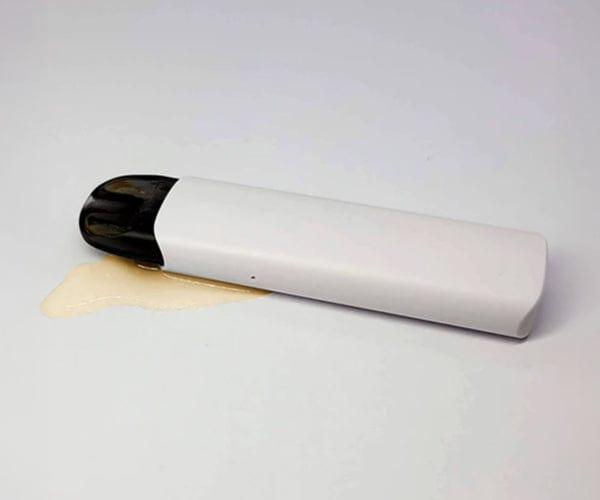
How to Prevent Vape Leaks starts with understanding why e-liquid escapes from its intended pathway. A vape can leak because of excessive heat, physical damage, condensation, poor storage, excessive movement, or problems with the device’s internal seals.
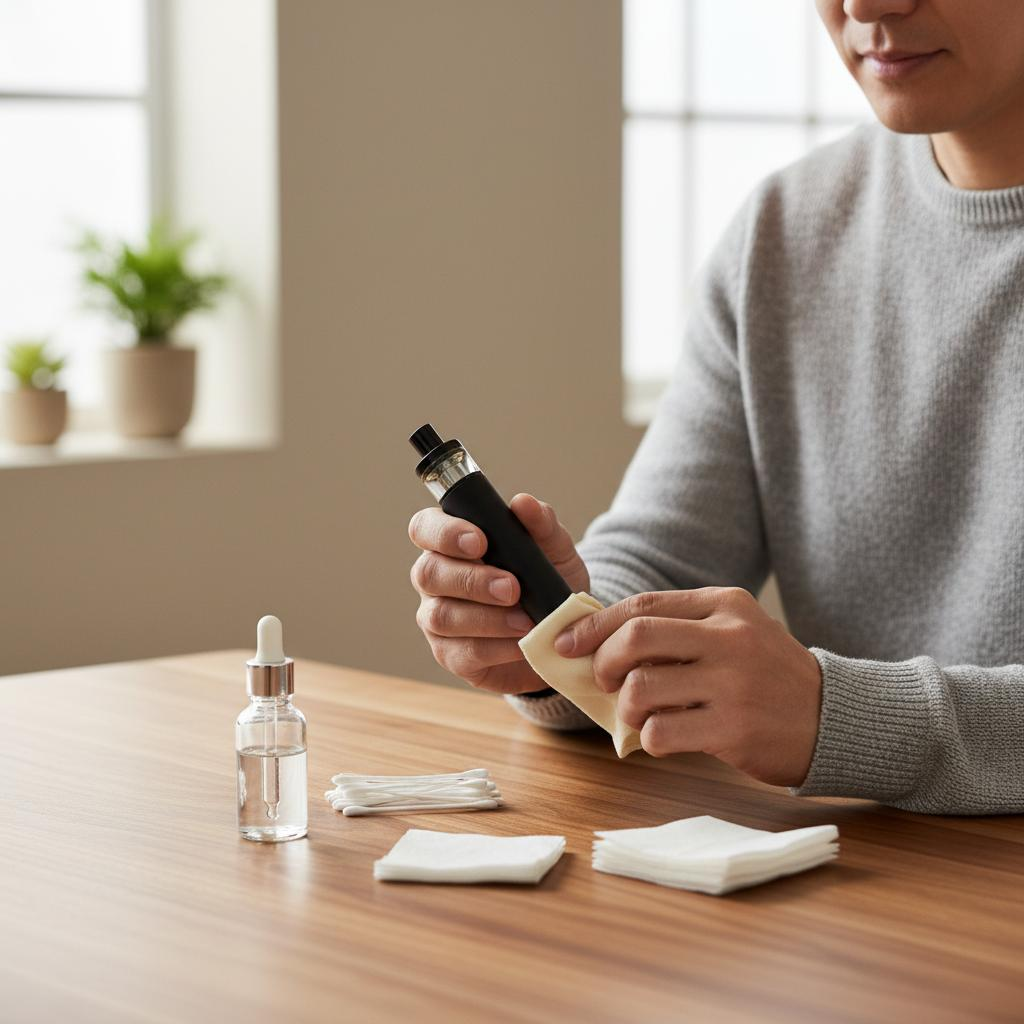
Fortunately, many common causes involve everyday handling and storage habits. For example, keeping your vape away from extreme temperatures and protecting it from unnecessary impacts can help maintain the device’s condition. Furthermore, storing the device correctly can reduce unnecessary e-liquid movement.

However, not every wet mouthpiece or small amount of moisture indicates a serious leak. Condensation can sometimes collect inside the mouthpiece and create a similar appearance. Therefore, you should identify the source of the liquid before assuming that the device has developed an internal leak.

This guide explains practical ways to reduce vape leaks, how temperature and storage affect e-liquid movement, what habits to avoid, and when a leaking device requires replacement.


Article Summary

In this guide, you’ll discover:

  • Why vape leaks happen
  • How proper storage can reduce leakage
  • Why temperature affects e-liquid movement
  • How handling can contribute to leaks
  • How to distinguish condensation from e-liquid
  • When you should replace a leaking vape

In This Guide You’ll Learn

  • How to store your vape correctly
  • Why extreme temperatures can contribute to leaks
  • How airflow and condensation affect leakage
  • Which handling habits can damage your device
  • What to do when leakage occurs

Table of Contents

  • What Causes Vape Leaks?
  • Store Your Vape Properly
  • Keep Your Vape Away From Extreme Heat
  • Protect Your Vape From Physical Damage
  • Keep Airflow Openings Clear
  • Manage Condensation Around the Mouthpiece
  • Avoid Excessive Movement
  • Use the Device Correctly
  • Inspect Your Vape Regularly
  • Common Mistakes That Cause Leaks
  • Recommended Vape Collections
  • Frequently Asked Questions
  • Key Takeaways
  • Conclusion

What Causes Vape Leaks?

Vape leaks occur when e-liquid moves outside the reservoir or intended airflow pathway.

Several factors can contribute to this problem.

Excessive Heat

Heat can make e-liquid thinner and allow it to move more easily through small openings.

Consequently, leaving a vape in direct sunlight or inside a hot vehicle can increase the chance of leakage.

Physical Damage

Dropping, crushing, or squeezing a vape can damage its internal structure.

Even when the exterior looks relatively normal, an impact can affect seals or other components.

Poor Storage

Improper storage can encourage e-liquid movement.

For example, leaving a vape loose inside a bag or exposing it to frequent temperature changes can contribute to inconsistent performance.

Condensation

Not every liquid-related problem represents a genuine leak.

Vapour can cool inside the mouthpiece and create condensation. Therefore, identifying whether you’re seeing condensation or e-liquid can help determine the appropriate response.


Store Your Vape Properly

Good storage habits can reduce unnecessary leakage.

Keep the Device Upright

Whenever practical, store your vape upright.

This position helps keep e-liquid in the intended reservoir area and reduces unnecessary movement toward the airflow pathway.

Choose a Stable Location

A cool, dry indoor location generally provides better storage conditions.

Therefore, avoid leaving your vape in places exposed to direct sunlight, excessive humidity, or large temperature changes.

Protect the Device From Pressure

Don’t place heavy objects on top of your vape.

Pressure can damage the casing or internal components and potentially create conditions that encourage leakage.


Keep Your Vape Away From Extreme Heat

Temperature represents an important factor in vape storage.

Avoid Hot Cars

A parked vehicle can become extremely hot, particularly in direct sunlight.

Consequently, don’t leave your vape inside a hot car for extended periods.

Keep It Away From Direct Sunlight

Direct sunlight can heat a small device quickly.

Instead, keep your vape in a shaded location away from prolonged exposure.

Avoid Sudden Temperature Changes

Moving a vape repeatedly between very hot and very cold environments can affect e-liquid consistency.

Therefore, whenever possible, store the device in a stable environment.


Protect Your Vape From Physical Damage

Careful handling can help maintain the device’s internal structure.

Don’t Drop the Device

A significant impact can damage internal components or seals.

Therefore, keep your vape somewhere secure when you’re not using it.

Avoid Squeezing the Device

Don’t deliberately squeeze or bend your vape.

Pressure can affect the casing and potentially cause internal damage.

Use a Suitable Carrying Location

When carrying your vape, place it somewhere where it won’t experience unnecessary pressure from keys, heavy objects, or other items.


Keep Airflow Openings Clear

Airflow plays an important role in vape performance.

Check for Visible Obstructions

Dust, lint, and condensation can collect around airflow openings.

Therefore, inspect the exterior of the device and keep the openings clear.

Don’t Insert Sharp Objects

Avoid using pins, needles, knives, or paper clips to clean airflow openings.

Such objects can damage internal components and create additional problems.

Avoid Blocking Airflow During Use

Don’t hold the device in a way that deliberately covers its airflow openings.

Consequently, keeping the intended airflow path clear can help maintain more consistent performance.


Manage Condensation Around the Mouthpiece

Condensation can sometimes look like a leak.

Understand Where Moisture Comes From

Warm vapour can cool inside the mouthpiece.

As a result, small amounts of moisture may collect around the opening during normal use.

Wipe the Mouthpiece

If you notice moisture, wipe the exterior with a clean tissue.

Then monitor whether liquid continues to accumulate.

Persistent Liquid Requires Attention

If the mouthpiece repeatedly becomes wet with e-liquid, the problem may involve more than condensation.

Therefore, stop using the device temporarily and determine whether a persistent leak exists.


Avoid Excessive Movement

How you handle your vape can influence liquid movement.

Don’t Shake the Device

Shaking doesn’t prevent leakage.

Instead, unnecessary movement can encourage e-liquid to travel through areas where it shouldn’t.

Store It Securely

Keep your vape in a stable location when you’re not using it.

Furthermore, avoid tossing it loosely into bags or pockets alongside heavy objects.

Keep the Device Upright When Possible

Upright storage can help keep e-liquid positioned correctly.

Consequently, it can reduce unnecessary movement through the airflow system.


Use the Device Correctly

Following the manufacturer’s instructions can help reduce avoidable problems.

Avoid Extremely Forceful Puffs

Very forceful inhalation can pull additional e-liquid toward the airflow pathway.

Therefore, use a comfortable draw rather than repeatedly inhaling with excessive force.

Don’t Modify the Device

Never cut, puncture, or dismantle a sealed disposable vape to alter its airflow or reservoir.

Such modifications can damage the device and expose internal components.

Follow Manufacturer Instructions

Different devices use different designs.

Consequently, follow the instructions provided for your specific model rather than applying assumptions from another vape.


Inspect Your Vape Regularly

Regular checks can help you identify problems early.

Check for Visible Liquid

Look around the mouthpiece, airflow openings, and exterior casing for signs of e-liquid.

Check for Damage

Inspect the device for cracks, dents, swelling, or other physical changes.

If you notice significant damage, stop using the device rather than attempting to repair it.

Check the Charging Area

For rechargeable devices, pay particular attention to the charging port.

If e-liquid reaches the charging connection, don’t connect the device to power. Instead, follow the manufacturer’s safety instructions.


Common Mistakes That Cause Leaks

Leaving a Vape in Direct Sunlight

Heat can affect e-liquid consistency and encourage liquid movement.

Storing the Device Upside Down

Keeping a vape upside down for long periods can place e-liquid near areas where it may enter the airflow pathway.

Carrying It Loose With Heavy Objects

Keys, tools, and other objects can scratch, crush, or damage the casing.

Ignoring Persistent Leakage

A small amount of condensation may not indicate a major problem, but persistent e-liquid leakage deserves attention.

Charging a Wet or Leaking Device

Never connect a leaking or wet vape to a charger.

Instead, stop using it and follow appropriate safety guidance.


Recommended Vape Collections

If your current device continues to leak or has reached the end of its usable life, explore other options from different collections.

iGet Bar 3500 Puffs

https://avorrasupply.com/product-category/iget-vape/iget-bar-3500-puffs

Explore the iGet Bar 3500 Puffs collection for compact disposable vape options designed for convenient everyday use.

iGet Moon K5000 Puffs

https://avorrasupply.com/product-category/iget-vape/iget-moon-k5000-puffs

Browse the iGet Moon K5000 Puffs collection for compact disposable vape options with different flavour choices.

iGet One 12000 Puffs

https://avorrasupply.com/product-category/iget-vape/iget-one-12000-puffs

Discover the iGet One 12000 Puffs collection for high-capacity disposable vape options.


Part 2 will continue with:

  • Frequently Asked Questions
  • What to Do When Your Vape Leaks
  • When a Leaking Vape Needs Replacement
  • Key Takeaways
  • Conclusion
  • Related Articles
  • Trusted Resources

Frequently Asked Questions

How can I prevent my vape from leaking?

Store your vape in a cool, dry place and keep it upright whenever practical. Furthermore, protect it from excessive heat, pressure, and physical impacts.

Also, keep the airflow openings clear and avoid forceful inhalation that could pull excess e-liquid into the airflow pathway.

Why does my disposable vape keep leaking?

Persistent leakage can result from heat exposure, physical damage, condensation, internal seal problems, or a manufacturing defect.

Therefore, inspect the device carefully and consider its storage history. If the vape continues leaking despite proper handling, replacement may provide the safer solution.

Does storing a vape upright prevent leaks?

Upright storage can help reduce unnecessary e-liquid movement, although it cannot guarantee that a device will never leak.

Consequently, combine upright storage with proper temperature control and careful handling.

Can heat make my vape leak?

Yes.

High temperatures can make e-liquid thinner and allow it to move more easily through the device. Therefore, avoid leaving your vape in direct sunlight or inside a hot vehicle.

Can cold temperatures cause vape leaks?

Extreme temperature changes can affect e-liquid consistency and device performance.

For that reason, keep your vape in a stable environment rather than repeatedly exposing it to extreme cold and heat.

Is liquid in the mouthpiece always a leak?

No.

Vapour can condense inside the mouthpiece and create small amounts of moisture. However, persistent accumulation of e-liquid can indicate a genuine leak or airflow problem.

Can hard puffs make a vape leak?

Forceful inhalation can draw additional e-liquid toward the airflow pathway in some devices.

Therefore, use comfortable, controlled draws rather than repeatedly inhaling with excessive force.

Should I charge a leaking vape?

No.

If e-liquid reaches the charging port or the device becomes wet, don’t connect it to a power source. Instead, stop using the device and follow the manufacturer’s safety instructions.

Can I repair a leaking disposable vape?

You shouldn’t dismantle or attempt to repair a sealed disposable vape.

Opening the casing can expose the internal battery and electronic components. Therefore, replace a disposable device that develops persistent or significant leakage.

How do I know if my vape leak is serious?

Persistent leakage, liquid around the charging area, unusual heat, swelling, physical damage, smoke, or unusual smells require particular caution.

If these signs appear, stop using the device and follow appropriate battery-safety guidance.


What to Do When Your Vape Leaks
Even with careful storage and handling, leaks can occasionally occur. When they do, respond carefully rather than immediately attempting to fix the device.

Stop Using the Device Temporarily

If liquid continues to escape, stop vaping until you determine the source.

Don’t repeatedly inhale from a device that sends e-liquid toward the mouthpiece.

Wipe Away Visible Liquid

Use a clean tissue or cloth to remove visible liquid from the exterior.

However, don’t insert objects into the airflow pathway or attempt to open the casing.

Wash Your Hands

If e-liquid gets onto your skin, wash the affected area thoroughly with soap and water.

Additionally, avoid touching your eyes or mouth after handling leaked e-liquid.

Keep Liquid Away From the Charging Port

If liquid reaches the charging area, don’t connect the device to power.

Instead, discontinue use and follow the manufacturer’s safety and disposal instructions.


When a Leaking Vape Needs Replacement

Not every small amount of moisture requires immediate replacement, but persistent leakage deserves attention.

Persistent E-Liquid Leakage

If liquid continues appearing around the mouthpiece, airflow openings, or casing, the device may have an internal problem.

Consequently, replacement can make more sense than continued use.

Leakage After Physical Damage

If your vape starts leaking after you drop or crush it, internal damage may have affected the reservoir or seals.

Therefore, don’t assume that the device remains safe simply because it still produces vapour.

Leakage Around the Battery or Charging Area

Liquid around electronic or charging components creates a particularly important warning sign.

Don’t charge or continue using the device. Instead, follow the manufacturer’s safety guidance.

Leakage Combined With Excessive Heat

A leaking device that also becomes unusually hot requires immediate caution.

Stop using it and don’t attempt to dismantle or repair it yourself.


Key Takeaways

  • Store your vape upright whenever practical.
  • Keep it away from direct sunlight, hot vehicles, and extreme temperatures.
  • Protect the device from drops, crushing, pressure, and unnecessary movement.
  • Keep airflow openings clear without inserting sharp objects.
  • Avoid extremely forceful inhalation.
  • Remember that condensation can sometimes look like a leak.
  • Don’t charge a wet or leaking vape, especially when liquid reaches the charging port.
  • Don’t cut, puncture, or dismantle a sealed disposable vape.
  • Replace a device that develops persistent leakage, significant damage, unusual heat, swelling, smoke, or unusual smells.
  • Finally, proper storage and careful handling provide the simplest ways to reduce avoidable leaks.

Conclusion

Learning how to prevent vape leaks starts with proper storage, careful handling, and attention to changes in your device. Although some leaks result from internal problems that users cannot prevent, many common causes involve heat exposure, physical damage, excessive movement, or poor storage.

Furthermore, not every trace of moisture indicates a genuine leak. Condensation can naturally collect inside a mouthpiece, so identifying the source of the liquid helps you respond appropriately. Nevertheless, persistent e-liquid leakage requires more attention, particularly when liquid reaches the charging area or appears alongside excessive heat or physical damage.

Therefore, keep your vape in a cool, dry environment, protect it from impacts, and avoid unnecessary modifications. Likewise, don’t charge or continue using a device that shows serious signs of damage.

Ultimately, good storage and careful handling can reduce the likelihood of leaks and help your vape maintain more consistent performance throughout its intended lifespan.


Related Articles

  • Why Is My Disposable Vape Leaking?
  • Why Is My Vape Gurgling?
  • Why Is My Vape Getting Hot?
  • How to Store Your Vape Properly
  • When Should You Replace Your Vape?
When Should You Replace Your Vape?

When Should You Replace Your Vape?

When Should You Replace Your Vape? Knowing the right time to replace your device helps maintain consistent flavour, vapour production, and overall performance. While some vapes stop working suddenly, many devices provide noticeable warning signs before they reach the end of their usable life.

For example, fading flavour, weaker vapour, charging problems, burnt tastes, and unusual device behaviour can all indicate that replacement may become necessary. However, these signs don’t always mean the same thing. A weak hit could result from a low battery, while a burnt taste could indicate a depleted e-liquid supply or worn internal components.

Therefore, understanding your vape’s condition allows you to make better decisions instead of replacing a device too early or continuing to use one that no longer performs properly.

Furthermore, different vape types have different lifespans. Disposable vapes, rechargeable disposables, and reusable devices each require replacement at different points depending on their design, usage, and maintenance.

This guide explains the most common signs that indicate replacement time, how long different vape devices typically last, and what factors influence overall lifespan.


Article Summary

In this guide, you’ll discover:

  • The main signs that your vape needs replacing
  • How flavour and vapour changes indicate wear
  • When battery problems require a new device
  • How usage affects vape lifespan
  • Why continuing to use an old vape can reduce performance

In This Guide You’ll Learn

  • How to identify a worn-out vape
  • Why disposable vapes eventually stop working
  • When rechargeable devices need replacement
  • How to extend vape lifespan safely
  • Which warning signs you shouldn’t ignore

Table of Contents

  • How Long Does a Vape Usually Last?
  • Sign 1: Weak or Reduced Vapour Production
  • Sign 2: Flavour Becomes Weak or Different
  • Sign 3: Burnt or Harsh Taste
  • Sign 4: Battery Problems
  • Sign 5: Leaking or Damaged Device
  • Sign 6: Reduced Overall Performance
  • How Usage Habits Affect Replacement Time
  • When to Replace Different Types of Vapes
  • Common Mistakes to Avoid
  • Recommended Vape Collections
  • Frequently Asked Questions
  • Key Takeaways
  • Conclusion

How Long Does a Vape Usually Last?

A vape’s lifespan depends on several factors, including device type, battery capacity, e-liquid amount, and how frequently you use it.

There is no single replacement timeline that applies to every vape. Instead, users should pay attention to performance changes and physical condition.

Disposable Vape Lifespan

Disposable vapes usually last until the e-liquid supply or battery reaches its limit.

Manufacturers often provide estimated puff counts, but actual usage varies depending on puff duration and frequency.

Consequently, one person may finish a device faster than another person using the same model.

Rechargeable Disposable Vape Lifespan

Rechargeable disposable vapes can extend usage by allowing battery charging.

However, charging only restores battery power. Once the e-liquid supply runs out or the device components begin failing, replacement becomes necessary.

Reusable Vape Lifespan

Reusable devices may last longer because users can replace certain components.

Nevertheless, batteries, pods, tanks, and coils eventually require replacement as performance declines.


Sign 1: Weak or Reduced Vapour Production

One of the clearest indicators that a vape needs replacing involves reduced vapour output.

When a device works correctly, the heating system receives enough power and e-liquid to create consistent vapour. However, performance can decline as components wear out.

Smaller Vapour Clouds

If your vape produces noticeably less vapour than before, several issues may explain the change.

For example, the battery may be weakening, the e-liquid supply may be low, or the heating system may no longer perform efficiently.

Therefore, reduced vapour production often represents an early warning sign.

Weak Vapour After Charging

If a rechargeable vape produces weak vapour even after charging, the problem may involve more than battery power.

Consequently, the device may have reached the end of its usable lifespan.

Inconsistent Performance

A vape that works differently from one puff to the next may indicate internal wear.

For example, alternating between strong and weak hits can suggest problems with e-liquid delivery or heating performance.


Sign 2: Flavour Becomes Weak or Different

Flavour changes often appear before complete device failure.

Fading Flavour

A vape that once delivered strong flavour may gradually become weaker.

This change can happen as e-liquid levels decrease or as internal components lose efficiency.

Therefore, reduced flavour intensity often indicates that replacement may be approaching.

Strange or Unpleasant Taste

If your vape develops an unusual taste, the device may no longer perform correctly.

For example, harsh, metallic, or burnt flavours can indicate worn components or depleted e-liquid.

Flavour Doesn’t Improve

Sometimes flavour issues result from temporary factors such as taste fatigue or storage conditions.

However, if the flavour remains poor after checking normal causes, replacing the device may provide a better experience.


Sign 3: Burnt or Harsh Taste

A persistent burnt taste represents one of the strongest signs that a vape may need replacement.

Depleted E-Liquid

When e-liquid becomes too low, the wick may not receive enough liquid.

Consequently, the heating area can produce a dry or burnt sensation.

Worn Heating Components

In reusable devices, coils eventually lose performance.

As a result, replacing the coil may solve the problem. However, sealed disposable devices generally require complete replacement.

Don’t Continue Through Burnt Flavour

Continuing to use a device that consistently tastes burnt rarely improves performance.

Instead, identify the cause and replace the device or component when necessary.


Sign 4: Battery Problems

Battery performance plays a major role in vape operation.

Frequent Charging

If you find yourself charging a rechargeable vape much more often than before, the battery may be losing capacity.

Consequently, the device may no longer provide consistent performance.

Device Stops Holding Charge

A vape that quickly loses charge after being fully charged may indicate battery degradation.

Therefore, replacement may become more practical than continued use.

Excessive Heat During Use or Charging

A vape that becomes unusually hot requires attention.

Don’t continue using a device that shows signs of battery problems, including swelling, damage, smoke, or unusual smells.


Sign 5: Leaking or Damaged Device

Physical condition also determines when replacement becomes necessary.

Persistent Leaking

A small amount of condensation can occur during normal use.

However, repeated e-liquid leakage can indicate internal damage or component failure.

Cracks or Physical Damage

Drops, impacts, and external damage can affect internal components.

Therefore, replace devices that have significant physical damage rather than continuing to use them.

Charging Port Damage

If a rechargeable vape has a damaged charging port, avoid forcing connections.

Instead, replace the device if charging becomes unreliable or unsafe.


Sign 6: Reduced Overall Performance

Sometimes several small problems appear together.

Longer Activation Time

If your device takes longer to activate or respond, internal components may be wearing down.

Reduced Battery Efficiency

A declining battery can affect the consistency of every puff.

Overall Poor Experience

When flavour, vapour, battery performance, and reliability all decline together, replacement usually becomes the best option.


How Usage Habits Affect Replacement Time

Your habits influence how quickly a vape reaches the end of its lifespan.

Frequent Use

Using a vape heavily throughout the day naturally consumes e-liquid faster and places more demand on the battery.

Consequently, frequent users may replace devices sooner.

Long Puffs

Longer puffs consume more e-liquid and keep heating components active for longer.

Therefore, extended draws can reduce the time before replacement becomes necessary.

Poor Storage

Heat, moisture, and physical damage can shorten device lifespan.

Furthermore, proper storage helps maintain better performance for longer.


When to Replace Different Types of Vapes

Different devices require different replacement approaches.

Disposable Vapes

Replace disposable vapes when:

  • The e-liquid runs out
  • Vapour production decreases significantly
  • The device stops activating
  • Burnt flavour appears consistently

Rechargeable Disposable Vapes

Replace rechargeable disposables when:

  • Charging no longer restores performance
  • The e-liquid supply finishes
  • Battery performance declines
  • The device shows damage

Reusable Vape Devices

Replace reusable devices or components when:

  • Coils no longer perform properly
  • Batteries lose capacity
  • Pods or tanks become damaged
  • Performance becomes inconsistent

Common Mistakes to Avoid

Knowing when should you replace your vape also means understanding the mistakes that can cause users to replace devices too early or continue using devices that no longer perform correctly.

Ignoring Performance Changes

Many users continue using a vape even after noticing clear changes.

For example, weaker flavour, reduced vapour, unusual sounds, or inconsistent performance often indicate that something has changed.

Therefore, paying attention to early warning signs helps you decide whether the device needs maintenance or replacement.

Continuing to Use a Burnt Vape

A burnt taste usually indicates that the device or coil needs attention.

However, repeatedly taking more puffs to “push through” the burnt flavour rarely improves the situation. Instead, it can create a harsher experience and further reduce performance.

Charging a Damaged Device

Don’t continue charging a vape that shows physical damage, swelling, leaking, excessive heat, or unusual smells.

Furthermore, don’t use damaged charging cables or attempt to repair internal battery components yourself.

Assuming Rechargeable Means Permanent

Rechargeable disposable vapes can create the impression that they last indefinitely.

However, charging only restores battery power. The e-liquid supply, heating components, and overall device condition still determine when replacement becomes necessary.

Opening a Disposable Vape

Disposable vapes use sealed designs.

Opening the device to inspect the battery, add liquid, or repair internal parts can damage components and create unnecessary risks.

Therefore, replace sealed disposable devices instead of modifying them.


When Should You Replace Your Vape?

Recommended Vape Collections

If your current vape has reached the end of its usable life, explore replacement options from different categories.

iGet Vape Collection

https://avorrasupply.com/product-category/iget-vape

Explore the iGet vape collection for disposable vape options available in different capacities and flavour selections.

iGet Bar Pro 10,000 Puffs

https://avorrasupply.com/product-category/iget-vape/iget-bar-pro-10-000-puffs

Browse the iGet Bar Pro 10,000 Puffs range for a high-capacity disposable vape option designed for extended use.

iGet Moon K5000 Puffs

https://avorrasupply.com/product-category/iget-vape/iget-moon-k5000-puffs

Discover the iGet Moon K5000 Puffs collection for compact disposable vape options focused on portability and convenience.


Frequently Asked Questions

How often should you replace a disposable vape?

You should replace a disposable vape when it runs out of e-liquid, stops producing vapour, develops persistent burnt flavour, or shows signs of damage.

The exact timing depends on the device capacity and how frequently you use it.

How do I know my vape needs replacing?

Common signs include:

  • Weak vapour production
  • Fading flavour
  • Burnt taste
  • Battery problems
  • Leaking
  • Physical damage
  • Reduced overall performance

When several of these signs appear together, replacement usually becomes necessary.

Can a vape still work when it needs replacing?

Yes.

A vape can continue producing vapour while delivering poor flavour, weaker performance, or inconsistent results.

Therefore, a working device isn’t always a device that is performing correctly.

Should I replace my vape if it tastes burnt?

Yes, if the burnt taste continues after checking possible causes.

A persistent burnt taste often indicates depleted e-liquid, worn coils, or reduced heating performance.

Can charging extend the life of a disposable vape?

Charging can extend the usable life of a rechargeable disposable vape by restoring battery power.

However, it cannot replace e-liquid or repair worn internal components.

How long does a rechargeable disposable vape last?

The lifespan depends on battery capacity, e-liquid amount, usage frequency, and storage conditions.

Consequently, two users can experience different lifespans with the same device.

Should I replace my vape if it leaks?

Yes, especially if leakage continues.

While small amounts of condensation can occur, persistent leaking can indicate internal problems or device damage.

Can I replace a vape coil instead of replacing the whole device?

It depends on the type of vape.

Reusable devices often allow coil replacement, while sealed disposable vapes generally require complete replacement once performance declines.

Why does my new vape already need replacing?

A new device that immediately performs poorly may have a manufacturing issue, storage problem, or damage.

Therefore, contact the retailer or manufacturer if a new device doesn’t perform as expected.


Key Takeaways

  • Replace your vape when performance consistently declines.
  • Weak vapour and fading flavour often indicate that a device is nearing the end of its lifespan.
  • A burnt taste can signal depleted e-liquid or worn components.
  • Rechargeable disposable vapes still require replacement once the e-liquid supply finishes.
  • Physical damage, leaking, swelling, or excessive heat are warning signs you shouldn’t ignore.
  • Puff counts are estimates and vary depending on usage habits.
  • Proper storage and careful handling can extend device lifespan.
  • Don’t open or modify sealed disposable vapes.
  • Replace devices when they no longer provide consistent and reliable performance.

Conclusion

Understanding when should you replace your vape helps you maintain better performance and avoid using devices that no longer operate properly. Although many vapes provide warning signs before they stop working, users often overlook gradual changes such as weaker flavour, reduced vapour, or inconsistent performance.

Furthermore, replacement timing depends on the type of device you use. Disposable vapes typically require replacement once the battery or e-liquid reaches its limit, while reusable devices may only require specific component replacements.

However, no vape lasts forever. Batteries lose capacity, e-liquid supplies become depleted, and heating components eventually wear down. Therefore, recognizing these changes allows you to replace your device at the right time rather than continuing to use a vape that delivers poor results.

Ultimately, regular attention to performance, proper storage, and responsible usage habits help you get the most reliable experience from your device while knowing exactly when replacement becomes the better option.


Related Articles

  • Signs Your Vape Is Empty
  • How Long Does a Disposable Vape Last?
  • Why Does My Vape Taste Weak?
  • Why Is My Vape Not Hitting?
  • How to Extend Coil Life
Signs Your Vape Is Empty

Signs Your Vape Is Empty

Signs Your Vape Is Empty are usually easy to recognize once you understand how your device behaves near the end of its usable life. Although some vapes include visible e-liquid indicators, many disposable models hide the internal reservoir, which means users must rely on performance changes instead.

For example, weaker vapour production, reduced flavour intensity, and a dry or burnt taste can indicate that your vape is running low. However, these symptoms can also result from battery problems, airflow restrictions, or other device issues.

Therefore, you should consider multiple signs together rather than relying on a single change. A vape that produces no vapour might have an empty e-liquid reservoir, but it could also have a depleted battery or another internal problem.

Furthermore, understanding these warning signs helps you avoid wasting a functional device while also preventing you from continuing to use a vape that has reached the end of its intended lifespan.

This guide explains the most common signs your vape is empty, how to separate e-liquid problems from battery issues, and what you should do once your device stops performing normally.


Article Summary

In this guide, you’ll discover:

  • The most common signs your vape is empty
  • How flavour changes indicate low e-liquid
  • Why vapour production decreases
  • How battery issues can look similar
  • What happens when your vape runs out
  • When you should replace your device

In This Guide You’ll Learn

  • How to identify an empty disposable vape
  • Why your vape may taste weaker
  • How to recognize a depleted e-liquid supply
  • Why puff counts vary between users
  • How to know when replacement becomes necessary

Table of Contents

  • What Happens When a Vape Runs Out?
  • Sign 1: Reduced Vapour Production
  • Sign 2: Weak or Fading Flavour
  • Sign 3: Burnt or Dry Taste
  • Sign 4: Changes in Vapour Consistency
  • Sign 5: The Device Stops Producing Vapour
  • Battery Problems That Look Like an Empty Vape
  • Why Puff Counts Are Not Exact
  • What to Do When Your Vape Is Empty
  • Common Mistakes to Avoid
  • Recommended Vape Collections
  • Frequently Asked Questions
  • Key Takeaways
  • Conclusion

Signs Your Vape Is Empty

What Happens When a Vape Runs Out?

A vape reaches the end of its usable life when either the e-liquid supply or battery can no longer support normal operation.

Most disposable vapes contain a limited amount of e-liquid stored inside a sealed reservoir. As you use the device, the heating system consumes that liquid until the supply becomes depleted.

The Wick Stops Receiving Enough E-Liquid

The wick inside a vape absorbs e-liquid and delivers it to the heating element.

When the reservoir becomes empty, the wick can no longer provide enough liquid. Consequently, the device may produce weaker vapour or a dry sensation.

Flavour Quality Declines

Flavour often changes before the vape completely stops working.

As the e-liquid supply decreases, the vapour may feel less intense and the flavour may become weaker or inconsistent.

The Device Eventually Stops Producing Vapour

Once the e-liquid supply reaches a critically low level, the vape may stop producing usable vapour.

However, this can also happen when the battery reaches the end of its charge. Therefore, you should consider both possibilities.


Sign 1: Reduced Vapour Production

One of the most noticeable signs your vape is empty involves reduced vapour output.

When a vape works correctly, the heating system receives enough e-liquid to create consistent vapour. However, as the liquid supply decreases, vapour production can gradually decline.

Smaller Vapour Clouds

If your vape produces noticeably less vapour than when you first opened it, the e-liquid may be running low.

Consequently, weaker vapour often appears before the device stops working completely.

Inconsistent Vapour Output

You may notice that some puffs produce normal vapour while others feel weak.

This inconsistency can happen when the remaining e-liquid no longer reaches the heating area consistently.

Weak Vapour and Weak Flavour Together

Reduced vapour becomes a stronger indicator when it appears alongside fading flavour.

Therefore, consider both symptoms together before deciding whether your vape is empty.


Sign 2: Weak or Fading Flavour

A change in flavour represents another common warning sign.

Flavour Becomes Less Intense

A fresh vape usually delivers a consistent flavour experience.

However, as the e-liquid level decreases, the flavour may gradually become lighter or less noticeable.

The Flavour Changes Between Puffs

Near the end of a vape’s lifespan, flavour consistency can decline.

For example, one puff may taste normal while the next feels weaker.

Consequently, inconsistent flavour can indicate that the device is approaching the end of its usable life.

Flavour Loss Does Not Always Mean Empty

Although fading flavour often indicates low e-liquid, other factors can contribute.

For example, airflow changes, coil wear, or flavour fatigue can make a vape seem weaker even when e-liquid remains.

Therefore, check for additional signs before replacing the device.


Sign 3: Burnt or Dry Taste

A burnt or dry taste often indicates that something has changed inside the device.

The Wick May Lack E-Liquid

The wick needs enough liquid to prevent the heating element from overheating.

When the reservoir becomes empty, the wick may dry out and create a harsh or burnt sensation.

Stop Using a Device With Persistent Burnt Taste

If every puff produces a burnt taste, continuing to use the vape usually won’t improve the experience.

Instead, the device may have reached the end of its usable life.

Burnt Taste Can Have Other Causes

A burnt taste doesn’t always mean that the vape is empty.

It can also result from overheating, excessive use, or other performance issues. Therefore, evaluate the device’s overall condition.


Sign 4: Changes in Vapour Consistency

Performance changes can reveal when a vape is nearing empty.

The Draw Feels Different

Some users notice that the airflow or draw feels different near the end of a device’s lifespan.

The vape may feel tighter, weaker, or less satisfying than before.

Vapour Feels Thinner

As e-liquid decreases, vapour production may feel less dense.

Consequently, the overall experience may become noticeably different from when the device was new.

The Device Requires More Effort

If you find yourself taking longer or harder puffs to get the same result, the vape may be running out.

However, avoid forcing longer draws because this won’t restore depleted e-liquid.


Sign 5: The Device Stops Producing Vapour

A vape that completely stops producing vapour may have reached the end of its usable life.

The Battery May Be Empty

Rechargeable disposable vapes can stop working when the battery loses power.

Therefore, if your device includes charging functionality, check whether charging restores normal operation.

The E-Liquid May Be Depleted

If charging doesn’t restore performance and the device shows other signs of depletion, the e-liquid may have run out.

Internal Components May Have Failed

Sometimes a vape stops working because of an internal problem rather than an empty reservoir.

Therefore, don’t assume every inactive vape is empty without considering other possible causes.


Battery Problems That Look Like an Empty Vape

Battery issues can create symptoms that closely resemble an empty vape.

No Vapour Does Not Always Mean No E-Liquid

A dead battery cannot power the heating system.

Consequently, the device may appear empty even when e-liquid remains inside.

Rechargeable Models Need Extra Checking

If your vape includes a charging port, check whether the battery requires charging according to the manufacturer’s instructions.

However, charging won’t help if the e-liquid has already been depleted.

Watch for Battery Warning Signs

Don’t continue using a device that becomes unusually hot, swollen, damaged, or produces an unusual smell.

Instead, follow proper battery safety guidance and replace the device when necessary.


Why Puff Counts Are Not Exact

Many disposable vapes display estimated puff counts.

However, these numbers don’t guarantee an identical lifespan for every user.

Puff Length Affects Consumption

Longer puffs consume more e-liquid.

Therefore, someone taking longer draws may finish the device sooner than someone taking shorter puffs.

Usage Frequency Changes Lifespan

Frequent daily use naturally consumes e-liquid faster.

Consequently, two people using the same vape model may reach the end of the device at different times.

Device Design Matters

Different models use different battery capacities, heating systems, and e-liquid amounts.

Therefore, advertised puff counts should be viewed as estimates rather than exact measurements.

What to Do When Your Vape Is Empty

Once you recognize the signs your vape is empty, the next step involves deciding whether the device has reached the end of its usable life or whether another issue affects performance.

Confirm the Device Is Actually Empty

Before replacing your vape, check the overall symptoms.

For example, weak vapour, fading flavour, and a burnt taste together strongly suggest that the e-liquid supply has become depleted. However, if the device stopped suddenly without any warning signs, a battery or internal issue may explain the problem.

Therefore, consider multiple factors before deciding.

Replace the Device When Necessary

Most disposable vapes are designed for replacement rather than repair.

Once the e-liquid supply finishes, the device cannot produce vapour normally. Consequently, replacing the vape provides the most practical solution.

Dispose of the Device Responsibly

Disposable vapes contain electronic components and batteries.

Therefore, avoid throwing them into fires, puncturing them, or attempting to dismantle the internal battery. Instead, follow applicable local guidance for electronic waste disposal.


Common Mistakes to Avoid

Taking Longer Puffs to Get More Vapour

Many users attempt to extend a vape’s lifespan by taking longer or harder draws.

However, this approach doesn’t restore depleted e-liquid. Furthermore, excessive puffing can increase heat around the heating system and create a harsher experience.

Assuming Charging Fixes an Empty Vape

Rechargeable disposable vapes can create confusion because charging may restore battery power.

Nevertheless, charging cannot replace e-liquid. If the reservoir is empty, additional battery power won’t restore the device.

Ignoring Burnt Flavour

A persistent burnt taste often indicates that the device is no longer performing correctly.

Therefore, don’t continue using a vape that consistently produces harsh, dry, or burnt vapour.

Opening a Disposable Vape

Disposable vapes contain batteries and sealed internal components.

Don’t cut, puncture, or dismantle the device to check the e-liquid level. Such modifications can damage the device and create unnecessary risks.


Recommended Vape Collections

If your vape has reached the end of its usable life, explore replacement options from different collections.

iGet Vape Collection

https://avorrasupply.com/product-category/iget-vape

Explore the iGet collection for disposable vape options available in different capacities and flavour profiles.

iGet Bar Pro 10,000 Puffs

https://avorrasupply.com/product-category/iget-vape/iget-bar-pro-10-000-puffs

Browse the iGet Bar Pro 10,000 Puffs range for a high-capacity disposable vape option designed for extended use.

iGet One 12000 Puffs

https://avorrasupply.com/product-category/iget-vape/iget-one-12000-puffs

Discover the iGet One 12000 Puffs collection for another high-capacity disposable vape option.


Frequently Asked Questions

How do I know when my disposable vape is empty?

Common signs include reduced vapour production, weaker flavour, a burnt or dry taste, and eventually no vapour output.

However, similar symptoms can also come from battery issues or device faults. Therefore, check multiple signs together.

Why does my vape taste burnt when it is empty?

When the e-liquid supply becomes depleted, the wick may not receive enough liquid.

Consequently, the heating element can create a dry or burnt sensation because the wick cannot properly saturate.

Can a vape stop working even if it has e-liquid?

Yes.

A vape can stop working because of battery depletion, airflow problems, internal faults, or activation issues.

Therefore, a non-working vape isn’t always empty.

How long does a disposable vape last?

A disposable vape lifespan depends on several factors, including puff length, frequency of use, battery capacity, and e-liquid amount.

Consequently, advertised puff counts provide estimates rather than exact usage guarantees.

Can I recharge a vape that tastes empty?

If the device supports charging, you can recharge the battery.

However, charging won’t restore e-liquid. Therefore, if the device has already consumed its liquid supply, it will still require replacement.

Why does my vape produce less vapour before it runs out?

As e-liquid levels decrease, the wick may receive less liquid.

As a result, vapour production can gradually reduce before the device completely stops working.

Does a blinking light mean my vape is empty?

Not always.

A blinking indicator can mean several things, including low battery, activation problems, or other device conditions.

Therefore, check the manufacturer’s information for your specific model.

Can I refill an empty disposable vape?

Most disposable vapes aren’t designed for refilling.

If the manufacturer doesn’t specifically identify the device as refillable, don’t attempt to open or modify it.

Can I use a disposable vape after it tastes burnt?

A temporary burnt taste may have several causes, but a persistent burnt taste usually indicates a problem.

Therefore, stop using the device if the burnt flavour continues.


Key Takeaways

  • Weak vapour is one of the first signs your vape may be empty.
  • Fading flavour often appears before the device completely stops working.
  • A burnt or dry taste can indicate that the wick no longer receives enough e-liquid.
  • No vapour doesn’t always mean an empty vape because battery problems can create similar symptoms.
  • Puff counts are estimates and vary based on user habits.
  • Rechargeable disposable vapes can restore battery power but cannot refill e-liquid.
  • Don’t open, puncture, or modify sealed disposable vapes.
  • Replace devices once they reach the end of their intended lifespan.
  • Store and handle your vape properly to maintain better performance.

Conclusion

Recognizing the signs your vape is empty helps you understand when your device has reached the end of its usable life. While some changes happen gradually, most users notice warning signs such as weaker vapour, reduced flavour, inconsistent performance, or a dry and burnt taste.

Furthermore, these symptoms don’t always mean the e-liquid has completely run out. Battery problems, airflow restrictions, and internal faults can create similar experiences. Therefore, looking at multiple signs together provides a more accurate understanding of what is happening.

Ultimately, disposable vapes are designed for convenience rather than long-term repair. Once the e-liquid supply finishes, replacement becomes the most practical option. By understanding performance changes and avoiding unnecessary modifications, you can use your device more effectively and recognize when it is time for a new one.


Related Articles

  • How to Know When Your Disposable Vape Is Empty
  • Why Is My Vape Not Hitting?
  • Why Does My Vape Taste Weak?
  • Can You Recharge a Disposable Vape?
  • Why Is My Vape Getting Hot?
Back to Top
error: Content is protected !!
Product has been added to your cart
Compare (0)