




Why Is My Vape Hard to Draw? A tight or restricted draw can make a vape feel noticeably different from normal. Instead of allowing air to move smoothly through the device, something may restrict the airflow pathway. In some cases, condensation or debris can create the restriction, while other situations can involve e-liquid buildup or a device-related problem.
Furthermore, airflow differs between vape designs. Some devices intentionally provide a tighter draw, while others allow significantly more air to enter. Therefore, you should first determine whether the draw has actually changed or whether the device naturally uses a more restricted airflow design.
If your vape previously felt easy to inhale but suddenly becomes difficult, however, the change deserves attention. For example, a blocked mouthpiece, excessive condensation, or an obstruction around the airflow openings can make inhalation harder.
Consequently, understanding the cause can help you distinguish a normal tight draw from a developing device problem. This guide explains Why Is My Vape Hard to Draw?, what commonly causes restricted airflow, how to check your device safely, and when replacement makes more sense.
Article Summary
In this guide, you’ll discover:
- Why a vape can develop a tight draw
- How blocked airflow affects inhalation
- Why condensation can restrict airflow
- How e-liquid buildup can contribute to a difficult draw
- What to check when your vape suddenly becomes tight
- When you should stop using or replace the device
In This Guide You’ll Learn
- Why Is My Vape Hard to Draw?
- How to identify common airflow restrictions
- Why the mouthpiece can affect your draw
- How storage and handling can influence airflow
- When a tight draw indicates a damaged device
Table of Contents
- What Does a Hard Vape Draw Mean?
- Why Is My Vape Hard to Draw?
- Check the Mouthpiece
- Inspect the Airflow Openings
- Condensation Can Restrict Airflow
- E-Liquid Can Affect the Draw
- Storage Can Influence Airflow
- How Usage Habits Affect the Draw
- What to Do When Your Vape Is Hard to Draw
- Common Mistakes to Avoid
- Recommended Vape Collections
- Frequently Asked Questions
- Key Takeaways
- Conclusion
What Does a Hard Vape Draw Mean?
A hard draw means that you need more effort than usual to inhale through the device.
Normally, air moves through the intended airflow pathway as you inhale. However, an obstruction can reduce that airflow and create a noticeably tighter sensation.
A Naturally Tight Draw
Some vape devices intentionally use restricted airflow.
Therefore, a tight draw doesn’t automatically indicate a problem. Compare the current draw with the way the device performed when you first used it.
A Suddenly Restricted Draw
If the device previously allowed normal airflow but suddenly becomes difficult to inhale, investigate the change.
For example, condensation, e-liquid, lint, or another obstruction may affect the airflow pathway.
A Completely Blocked Draw
A device that allows almost no airflow requires additional caution.
Don’t forcefully inhale through it or attempt to insert sharp objects into the mouthpiece or airflow openings.
Why Is My Vape Hard to Draw?
Several factors can make a vape difficult to inhale.
Blocked Airflow
A blockage represents one of the simplest explanations.
Dust, lint, condensation, or other debris can interfere with airflow openings. Consequently, the draw can become tighter than normal.
Condensation Buildup
Vapour can cool and create moisture inside the mouthpiece or airflow pathway.
Over time, that moisture can restrict airflow and contribute to a bubbling or tight sensation.
Excess E-Liquid
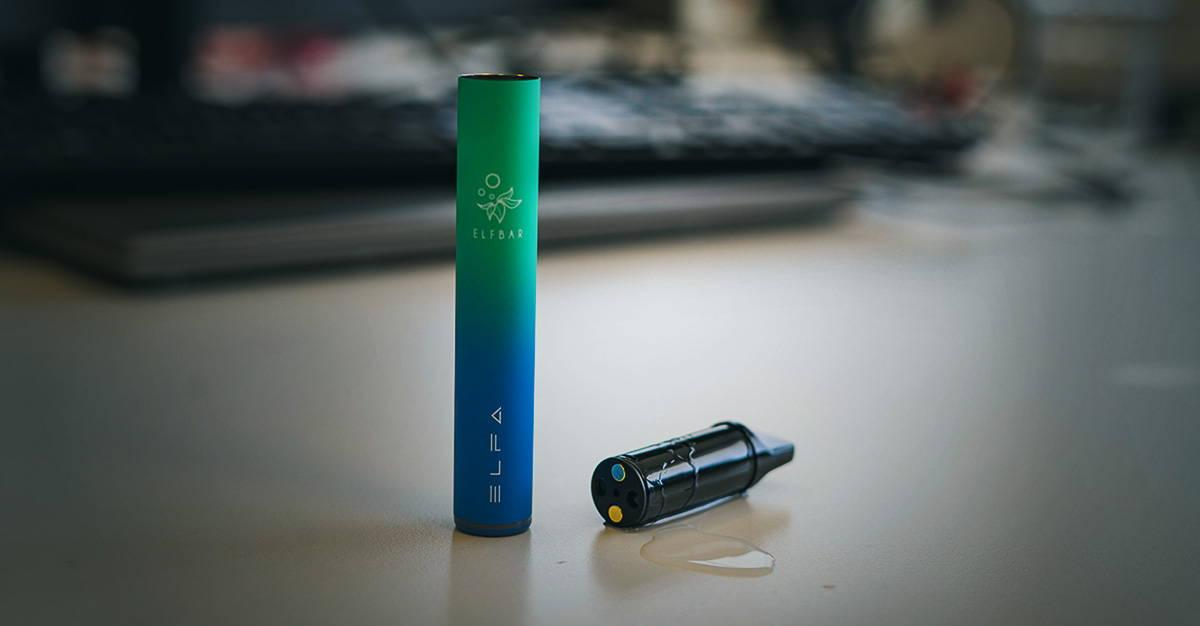
E-liquid can sometimes move into the airflow pathway.
When that happens, air may struggle to move through the device normally. Furthermore, you may notice gurgling, popping, or liquid around the mouthpiece.
Physical Damage
Dropping or crushing a vape can affect the casing and internal airflow structure.
Therefore, a tight draw that begins immediately after physical impact may indicate device damage.
Check the Mouthpiece
The mouthpiece provides the final pathway through which vapour reaches you.
Look for Visible Obstructions
Inspect the mouthpiece under good lighting.
Check for visible condensation, e-liquid, lint, or other debris. If you see moisture, wipe the exterior with a clean tissue.
Don’t Insert Sharp Objects
Avoid using pins, needles, paper clips, or other objects to clear the mouthpiece.
Such objects can damage internal components and potentially push debris deeper into the device.
Check for Persistent Moisture
If liquid repeatedly appears inside or around the mouthpiece, the problem may involve more than simple condensation.
Therefore, monitor the device rather than repeatedly inhaling through a restricted pathway.
Inspect the Airflow Openings
Airflow openings allow air to enter the device.
Keep External Openings Clear
Check the visible airflow openings for dust, lint, or other obstructions.
Consequently, keeping these areas clear can help maintain normal airflow.
Avoid Blocking the Openings
Your fingers or the way you hold the device can sometimes cover airflow openings.
Therefore, hold the vape according to its intended design and avoid deliberately covering these areas.
Don’t Modify the Airflow
Don’t drill, puncture, enlarge, or otherwise modify airflow openings.
Changing the device’s structure can affect performance and expose internal components.
Condensation Can Restrict Airflow
Condensation represents a common reason for a temporarily tight draw.
Vapour Creates Moisture
Warm vapour can cool as it travels through the mouthpiece.
As a result, small droplets can accumulate inside the airflow pathway.
Wipe the Mouthpiece
If you notice visible moisture, wipe the mouthpiece with a clean tissue.
Then check whether the draw returns to normal.
Persistent Condensation Needs Attention
If moisture repeatedly returns or the device also leaks e-liquid, gurgles, or produces weak vapour, another issue may exist.
Therefore, don’t assume that condensation explains every restricted draw.
E-Liquid Can Affect the Draw
E-liquid can sometimes move into areas that should primarily carry air.
Excess Liquid in the Airflow Path
When e-liquid enters the airflow pathway, it can interfere with normal air movement.
Consequently, the draw may feel tighter and the device may produce gurgling sounds.
Liquid Around the Mouthpiece
If e-liquid reaches the mouthpiece, stop and inspect the device.
Don’t repeatedly inhale liquid through the device.
Avoid Shaking the Vape
Shaking won’t reliably remove excess e-liquid.
Instead, unnecessary movement can encourage liquid to travel through the airflow system.
Storage Can Influence Airflow
How you store your vape can affect its condition.
Store It in a Stable Environment
Keep your vape in a cool, dry environment away from extreme temperatures.
Furthermore, avoid leaving the device in direct sunlight or inside a hot vehicle.
Keep It Protected
Loose objects inside pockets and bags can introduce lint and debris into airflow openings.
Therefore, use a clean, secure location when carrying your device.
Avoid Excessive Pressure
Don’t place heavy objects on your vape.
Physical pressure can damage the casing and potentially affect airflow.
How Usage Habits Affect the Draw
Your vaping habits can also influence airflow performance.
Avoid Extremely Forceful Puffs
Repeatedly inhaling with excessive force can pull more e-liquid toward the airflow pathway in some devices.
Therefore, use comfortable draws instead of trying to force air through a restricted device.
Allow the Device to Rest
Frequent use can increase condensation and heat around the airflow pathway.
Consequently, allowing the device to rest between periods of use can help reduce excessive moisture buildup.
Pay Attention to Changes
If Why Is My Vape Hard to Draw? becomes a question you ask after every few puffs, don’t ignore the change.
A persistent restriction can indicate a problem that requires closer inspection or replacement.
What to Do When Your Vape Is Hard to Draw
Start with simple external checks.
Clean the Exterior
Wipe visible moisture and residue from the mouthpiece and exterior.
Check Airflow Openings
Inspect visible openings for lint, dust, or other obstructions.
Keep the Vape Upright
Place the device upright in a clean, dry location and monitor whether the draw improves.
Stop If the Problem Persists
If the draw remains severely restricted, don’t forcefully inhale or dismantle the device.
Instead, follow the manufacturer’s troubleshooting guidance or replace the device when appropriate.
Common Mistakes to Avoid
Forcing Air Through the Device
Taking extremely hard puffs won’t reliably clear a blockage.
Instead, it can worsen liquid movement through the airflow system.
Using Sharp Objects
Don’t poke the mouthpiece or airflow openings with metal objects.
You could damage internal components.
Opening a Disposable Vape
Sealed disposable vapes aren’t designed for user repairs.
Therefore, don’t cut or dismantle the casing to investigate airflow problems.
Ignoring Other Warning Signs
A tight draw accompanied by leaking, excessive heat, swelling, smoke, or unusual smells requires additional caution.
Stop using the device rather than attempting to force it back into operation.
Recommended Vape Collections
If your device continues to have airflow problems and has reached the end of its usable life, explore other options from your available collections.
iGet Bar 3500 Puffs
https://avorrasupply.com/product-category/iget-vape/iget-bar-3500-puffs
Explore the iGet Bar 3500 Puffs collection for compact disposable vape options.
iGet Moon K5000 Puffs
https://avorrasupply.com/product-category/iget-vape/iget-moon-k5000-puffs
Browse the iGet Moon K5000 Puffs collection for portable disposable vape options.
iGet One 12000 Puffs
https://avorrasupply.com/product-category/iget-vape/iget-one-12000-puffs
Discover the iGet One 12000 Puffs collection for high-capacity disposable vape options.

Frequently Asked Questions
Why Is My Vape Hard to Draw?
A vape can become hard to draw because of blocked airflow, condensation, e-liquid buildup, physical damage, or an airflow design that naturally provides a tighter draw.
Therefore, compare the current draw with the way your device performed when you first used it. A sudden change usually deserves closer attention.
Why is my disposable vape suddenly hard to hit?
A sudden restriction can result from condensation, e-liquid entering the airflow pathway, or debris around the mouthpiece.
Furthermore, physical damage can affect the internal airflow structure. Check the exterior first and avoid dismantling the device.
Can condensation make a vape hard to draw?
Yes.
Condensation can collect inside the mouthpiece or airflow pathway and restrict air movement. Consequently, the vape may feel tighter or produce a gurgling sound.
Can e-liquid block airflow?
Yes.
E-liquid can sometimes enter the airflow pathway and interfere with normal air movement. Therefore, a tight draw combined with gurgling or liquid around the mouthpiece can indicate excess e-liquid.
Why Is My Vape Hard to Draw after charging?
Charging itself doesn’t normally create a permanent airflow restriction. However, changes in temperature during or after charging can affect condensation and e-liquid movement.
If the draw remains unusually tight, inspect the device for other signs of damage or malfunction.
Can a dirty mouthpiece make a vape hard to draw?
Yes.
Lint, dust, condensation, or residue around the mouthpiece can restrict airflow. Therefore, keep the exterior and accessible airflow areas clean.
Should I take harder puffs if my vape is difficult to draw?
No.
Taking harder puffs won’t reliably remove a blockage. Instead, forceful inhalation can pull additional e-liquid toward the airflow pathway in some devices.
Can I use a needle to unblock my vape?
You shouldn’t insert needles or other sharp objects into a vape.
They can damage internal components, puncture parts of the device, or push debris deeper into the airflow pathway.
Why Is My Vape Hard to Draw even when it isn’t empty?
An empty e-liquid reservoir isn’t the only possible cause of a tight draw.
Airflow restrictions, condensation, e-liquid buildup, or physical damage can all create the same symptom. Therefore, check the airflow system and overall device condition.
When should I replace a vape with a tight draw?
If the draw remains severely restricted after basic external checks, or if the device also leaks, becomes unusually hot, shows physical damage, or develops other abnormal behaviour, replacement may provide the safer option.
When a Hard Draw Means You Should Replace Your Vape
Not every restricted draw means that your vape has reached the end of its life. Nevertheless, some combinations of symptoms indicate that continued use may not make sense.
Persistent Airflow Restriction
If Why Is My Vape Hard to Draw? remains a question even after you check the mouthpiece and visible airflow openings, the device may have an internal problem.
Don’t attempt to dismantle a sealed disposable vape. Instead, follow the manufacturer’s troubleshooting instructions or replace the device.
Leakage and Restricted Airflow
A tight draw accompanied by persistent e-liquid leakage can indicate an internal airflow or reservoir problem.
Consequently, avoid repeatedly using the device in an attempt to restore normal performance.
Excessive Heat
If your vape becomes unusually hot while you experience a restricted draw, stop using it.
Likewise, swelling, smoke, unusual smells, or visible battery damage require immediate caution.
Physical Damage
A device that develops a hard draw after being dropped, crushed, or otherwise damaged may have internal structural problems.
Therefore, don’t assume that normal vapour production means the device remains in good condition.
How to Keep Your Vape Easy to Draw
Preventing airflow problems starts with consistent handling.
Keep the Mouthpiece Clean
Regularly check the mouthpiece for visible moisture, lint, or residue.
Furthermore, wipe the exterior with a clean tissue when necessary.
Store the Device Correctly
Keep your vape in a cool, dry environment away from direct sunlight and extreme temperatures.
Whenever practical, store it upright to reduce unnecessary e-liquid movement.
Avoid Excessive Force
Use comfortable draws instead of repeatedly inhaling with extreme force.
Consequently, you can reduce unnecessary e-liquid movement through the airflow pathway.
Protect the Device
Keep your vape away from heavy objects, sharp items, and situations where it could fall or become crushed.
Proper handling can help preserve the device’s casing and internal airflow structure.
Key Takeaways
- Why Is My Vape Hard to Draw? Common answers include blocked airflow, condensation, e-liquid buildup, debris, and physical damage.
- A naturally tight draw doesn’t necessarily indicate a problem.
- A sudden change in airflow deserves closer attention.
- Keep the mouthpiece and accessible airflow openings clear.
- Don’t insert needles, pins, or other sharp objects into your vape.
- Excess e-liquid can interfere with airflow and create a tight draw.
- Avoid extremely forceful puffs when airflow feels restricted.
- Store your device in a cool, dry environment and protect it from physical damage.
- A tight draw combined with leaking, excessive heat, swelling, smoke, or unusual smells requires additional caution.
- Finally, replace a disposable vape when persistent airflow problems indicate that the device has reached the end of its usable life.
Conclusion
If you’re asking Why Is My Vape Hard to Draw?, start by checking the simplest possible causes. A blocked mouthpiece, condensation, e-liquid buildup, or debris can restrict airflow and make inhalation noticeably more difficult.
Furthermore, storage and handling can influence the problem. Keeping your device away from extreme temperatures, protecting it from physical impacts, and maintaining clean airflow openings can help reduce avoidable restrictions.
However, Why Is My Vape Hard to Draw? can sometimes have a more serious answer. Persistent leakage, physical damage, excessive heat, swelling, smoke, or unusual smells can indicate a device problem that requires more caution. In these situations, don’t forcefully inhale through the vape or attempt to dismantle it.
Ultimately, understanding Why Is My Vape Hard to Draw? allows you to distinguish normal airflow characteristics from sudden performance changes. Check the accessible parts first, follow the manufacturer’s instructions, and replace the device when persistent problems indicate that it no longer performs reliably.
Related Articles
- Why Is My Vape Not Hitting?
- Why Is My Vape Gurgling?
- Why Is My Disposable Vape Leaking?
- Why Does My Vape Taste Weak?
- How to Prevent Vape Leaks

Leave a comment