




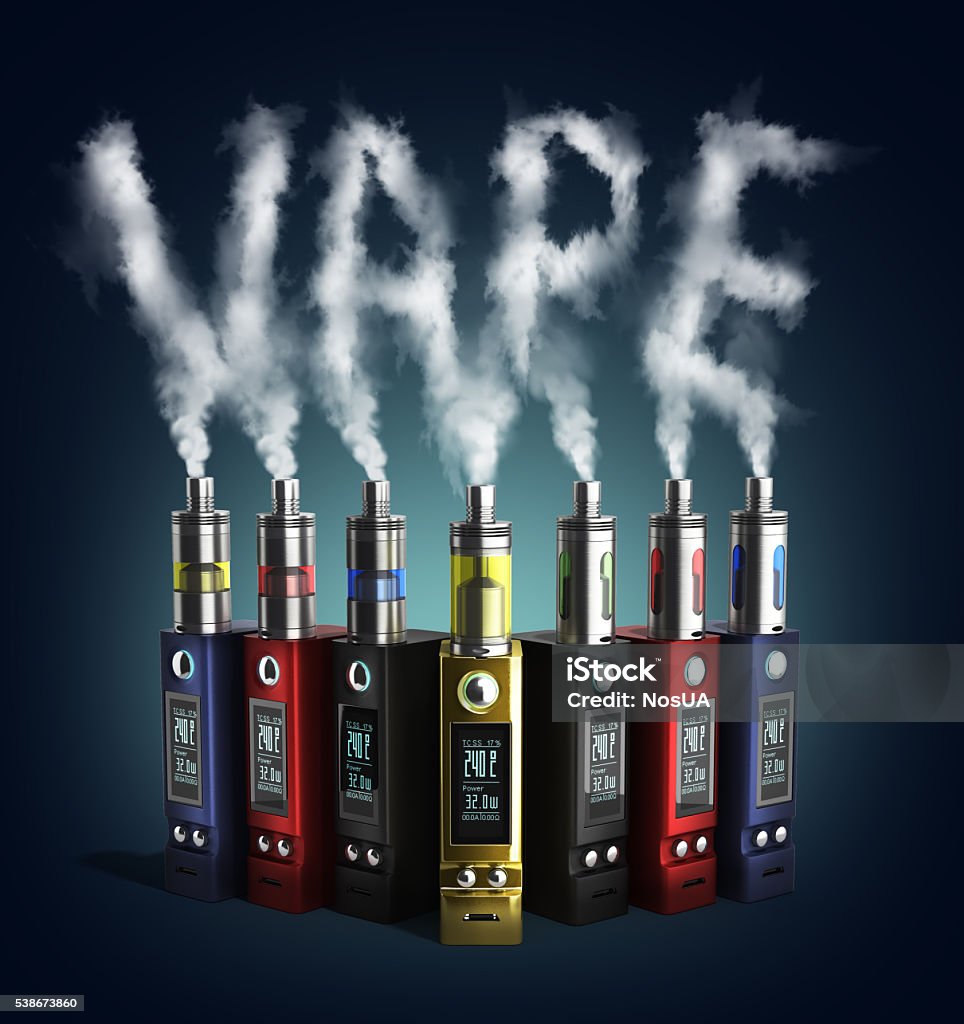
Auto draw explained simply: it’s a vape mechanism that fires the moment you inhale, with no button required. This article keeps draw activated explained in plain, practical terms throughout.
If you’re considering an auto draw device, our shop carries several buttonless options.
The Basic Mechanism
Traditional vapes require pressing a fire button while inhaling. With the buttonless device explained at its simplest, that step disappears entirely.
Instead, a small sensor inside the device detects your inhale. That sensor then triggers the heating element on its own.
The result feels closer to smoking a cigarette. You simply inhale, and vapor is produced instantly.

The Pressure Sensor Behind Auto Draw Explained
Draw activated devices rely on a component often called a pressure sensor or vacuum switch. This part sits near the airflow path inside the device.
Many modern devices use what’s known as a MEMS sensor. According to a U.S. patent describing this technology, the sensor detects negative pressure created when a user draws air through the device, which then signals the heating process to begin.
This detection happens in milliseconds. There’s no noticeable delay, which is central to how draw activated vape devices explained in technical terms actually functions.
How the Signal Works: Auto Draw Explained Step by Step
Once the sensor detects a pressure drop, it sends a signal to the device’s internal circuit. That circuit completes the connection between the battery and the coil.
Power flows to the coil almost instantly. The coil then heats the e-liquid or oil, just like in a manual-fire device.
When you stop inhaling, the sensor detects the change immediately. Power cuts off just as fast, with no separate action required.
Auto Draw Explained for Disposable Vapes
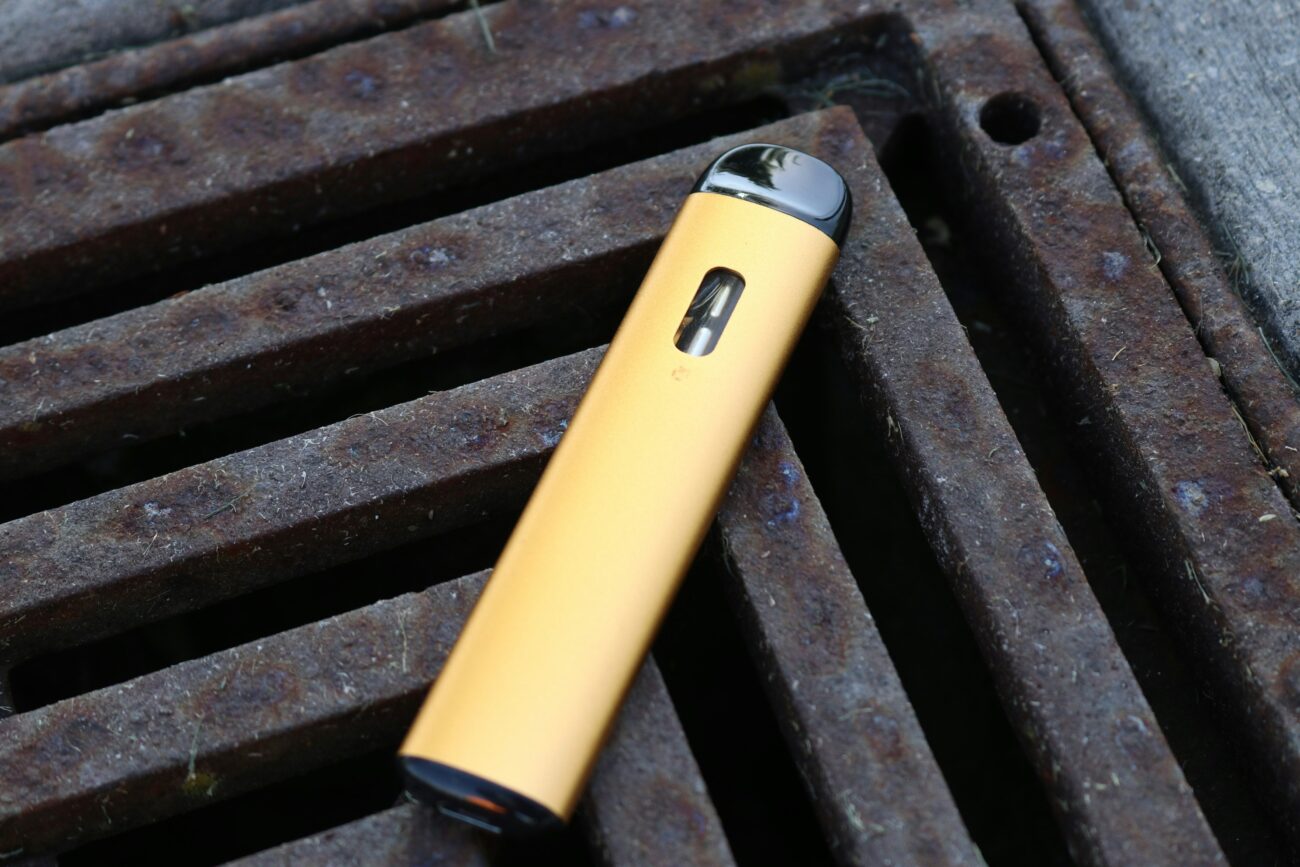
Auto draw is the standard setup in almost all disposable vapes. It removes the need for buttons, switches, or settings entirely.
This keeps the device simple and intuitive. Anyone can use it without learning how the hardware works.
It also reduces the number of moving parts. Fewer components generally means fewer things that can malfunction over time.
Benefits of Draw Activated Technology
These devices offer a few clear advantages worth knowing:
- No buttons to learn or remember
- Naturally intuitive, similar to smoking
- Fewer physical parts that can fail
- Often more compact than button-fire devices
- Reduces the risk of accidental activation in a pocket
Limitations Worth Knowing
Auto draw isn’t perfect for every use case. Some advanced users prefer manual-fire devices for more control over airflow and power.
These sensors also depend on proper airflow to function. A blocked or restricted airway can prevent the sensor from triggering correctly.
Troubleshooting Basics
If a device won’t fire, check the airflow path first. Blocked vents are the most common cause of activation issues.
Make sure the device is assembled correctly if it uses separate parts. A loose connection can prevent the sensor from completing its circuit.
If the issue continues, the sensor itself may be damaged. At that point, replacing the device is usually the simplest fix.
FAQ: Auto Draw Explained
Do auto draw vapes need to be primed before use?
Some do require a few gentle draws to saturate the wick, especially on first use.
Can auto draw sensors wear out over time?
Yes, though it’s uncommon. Extended heavy use can occasionally affect sensor sensitivity.
Is auto draw the same as draw-activated?
Yes, these terms describe the same inhale-triggered mechanism.
Now that auto draw explained has covered the full mechanism, get in touch with our team if you’d like help choosing one.


Leave a comment