

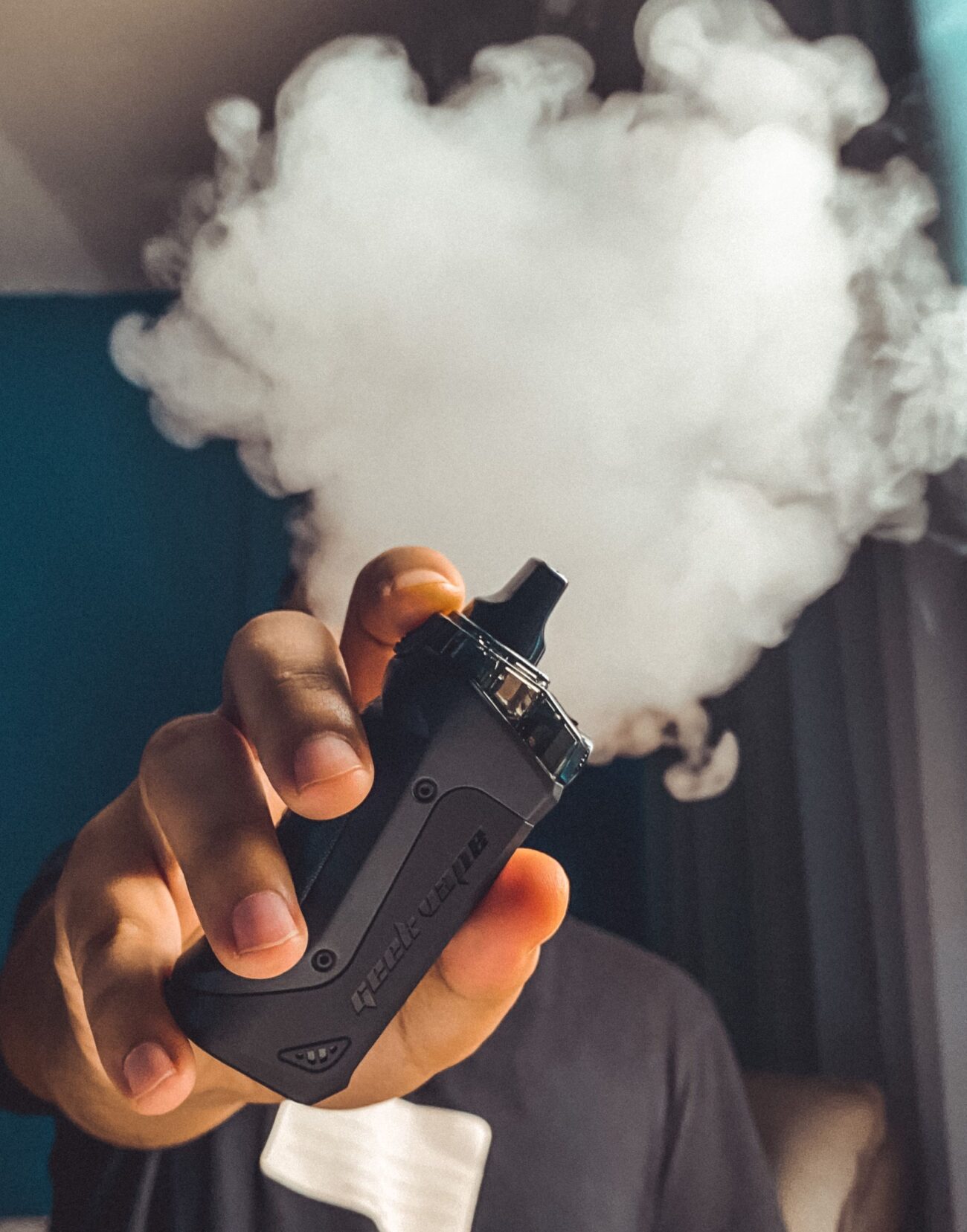
Can heat damage a vape? Yes. Heat is one of the most common reasons vape devices leak, lose battery life, or stop working altogether. Whether it’s a hot car, a sunny windowsill, or a pocket on a summer afternoon, high temperatures put real stress on both the battery and the e-liquid inside your device.
Understanding exactly what heat does to a vape can help you avoid ruined e-liquid, a shortened battery lifespan, and, in rare but serious cases, a battery failure. This guide breaks down how heat causes damage, the warning signs to watch for, and the simple habits that keep your device safe no matter the season. If your current device has already taken a hit from the heat, it might be time to browse our disposable vape range for a fresh replacement.
Yes, Heat Can Damage a Vape, Here’s How
A vape is made up of two heat-sensitive systems: a lithium-ion battery and a tank or pod filled with e-liquid. Both are engineered to work best at room temperature, roughly 60–75°F (15–24°C). Once temperatures climb well above that range, performance and safety start to slip.
The damage isn’t always dramatic. Most of the time it shows up as leaking, a burnt taste, or a battery that drains faster than it used to. In more extreme cases, like a device left on a car dashboard in direct sun, the risk becomes more serious.
How Heat Affects Vape Batteries
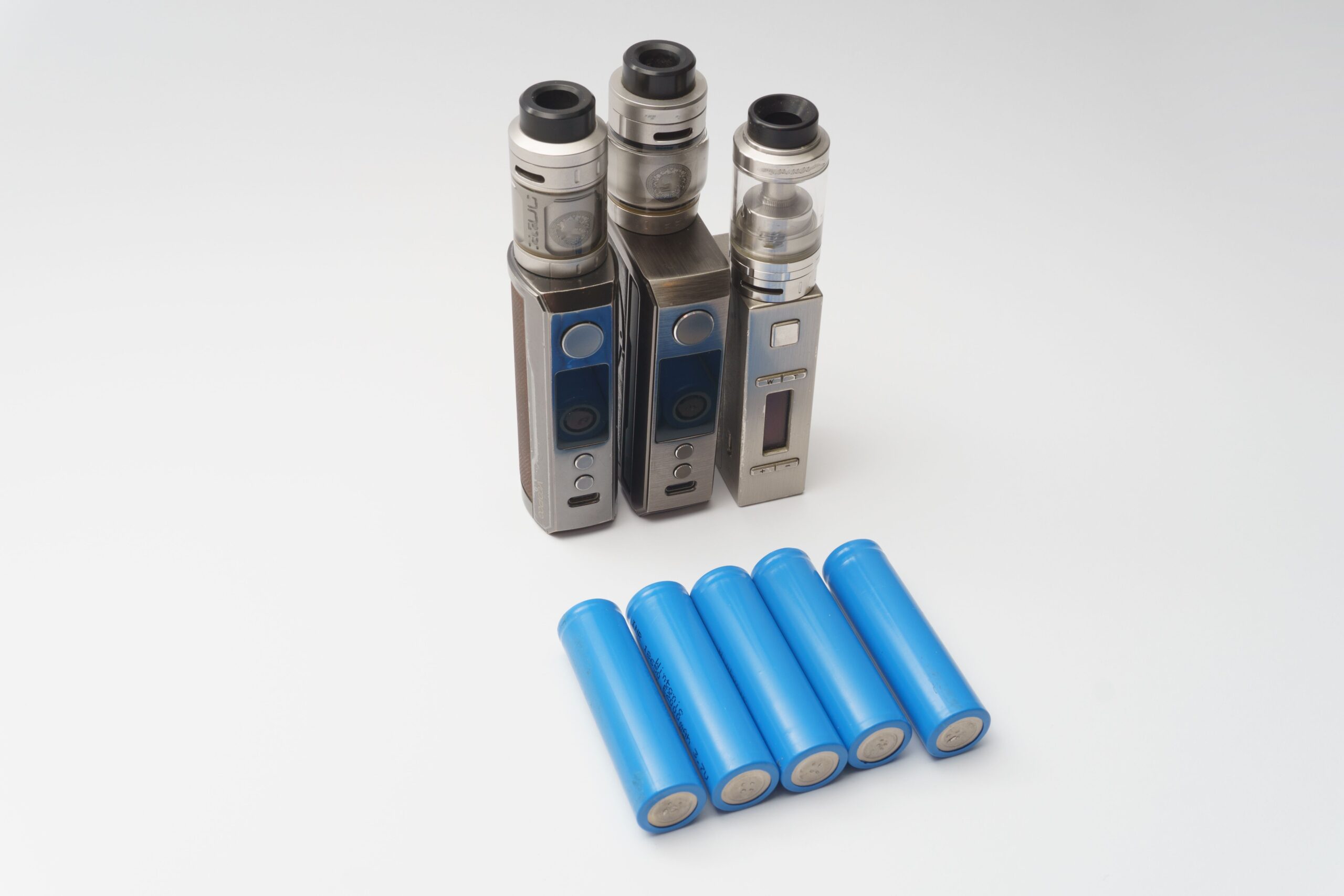
Lithium-ion batteries, the type used in nearly every vape, are chemically sensitive to temperature. Excess heat speeds up the internal chemical reactions inside the cell, which wears the battery down faster and shortens its overall lifespan.
In extreme cases, prolonged exposure to high heat can push a battery toward a state called thermal runaway, where internal temperatures spike rapidly and the battery can vent, swell, or fail. According to the FDA, protecting a vape from extreme temperatures, including hot cars, is one of the key steps recommended to help avoid battery fires or explosions, and charging in extreme heat should always be avoided.
How Heat Affects E-Liquid
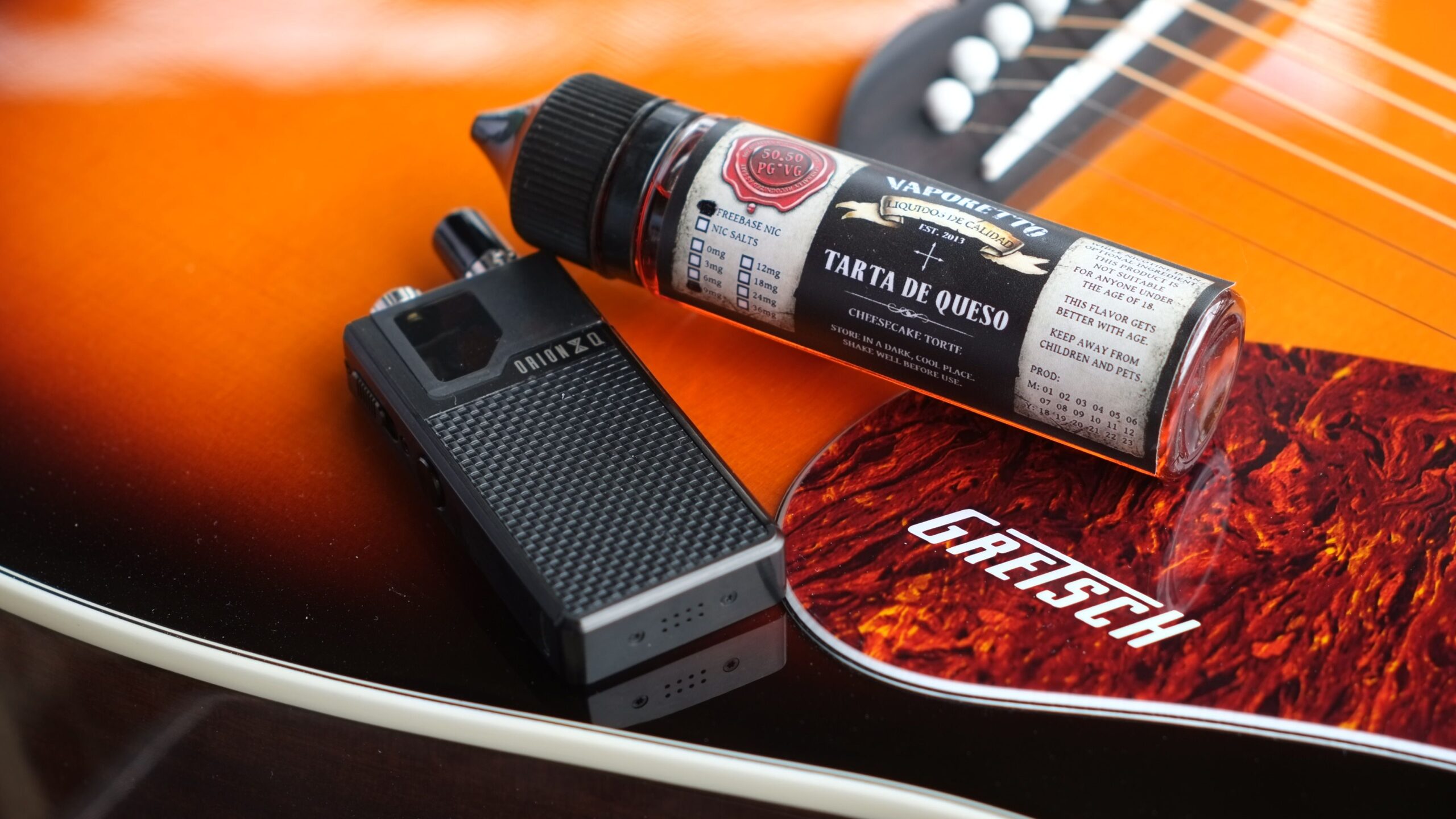
E-liquid is just as vulnerable to heat as the battery. High temperatures thin out the liquid, which makes it more likely to seep through airflow holes and cause a leak. Heat also speeds up the oxidation of nicotine, which can darken the liquid and give it a stale, harsher taste over time.
Sunlight compounds the problem. UV exposure breaks down flavoring compounds and accelerates nicotine oxidation even faster than heat alone, so a bottle, or a flavored disposable like the ones in our iGET Vape collection, left near a window can degrade even on a mild day.
Signs Your Vape Has Heat Damage
Watch for these warning signs after your device has been exposed to high temperatures:
- E-liquid leaking from the tank or pod
- A burnt or noticeably weaker flavor
- The battery draining faster than usual
- A device that feels warm to the touch even when idle
- Visible swelling, warping, or discoloration of the casing
If you notice swelling, warping, or a device that feels unusually hot, stop using it and let it cool in a safe, ventilated area before inspecting it further.
How to Protect Your Vape From Heat Damage
Store It at Room Temperature
Keep your device and e-liquid bottles in a cool, dark place. A drawer or cupboard away from direct sunlight works well. Aim for a temperature in the 60–75°F (15–24°C) range whenever possible.
Never Leave It in a Hot Car
A parked car can exceed 120°F within minutes, even on a mild day. That’s far outside the safe range for both the battery and the e-liquid, so it’s worth making a habit of taking your device with you rather than leaving it in the vehicle.
Charge in a Cool, Ventilated Spot
Charging generates its own heat, so combining it with an already warm environment adds unnecessary stress to the battery. Charge on a flat, clean surface away from direct sunlight and flammable materials.
What to Do If Your Vape Overheats
If your device has been exposed to high heat, don’t use it right away. Move it to a cool, climate-controlled space and let it return to room temperature gradually. Never use a refrigerator or freezer, since rapid temperature changes can cause internal condensation. Once it’s cooled, inspect it for leaks, swelling, or damage before vaping again, and replace the device if it looks damaged or behaves abnormally. If it’s beyond saving, our Alibarbar collection is a solid place to find a reliable replacement.
Frequently Asked Questions
Can heat damage a vape battery permanently?
Yes. Repeated heat exposure gradually degrades a lithium-ion battery’s capacity, and extreme heat can cause permanent failure.
Is it safe to vape after my device has been in the heat?
Let it cool to room temperature first and check for leaks, swelling, or an unusually hot casing before using it again.
Does cold weather cause similar problems?
Cold affects vapes differently. It can thicken e-liquid and cause batteries to drain faster or misfire, but heat poses the greater safety risk.
Still have questions about picking a device that holds up better in warm weather? Get in touch with our team and we’ll help you find the right fit.

Leave a comment