




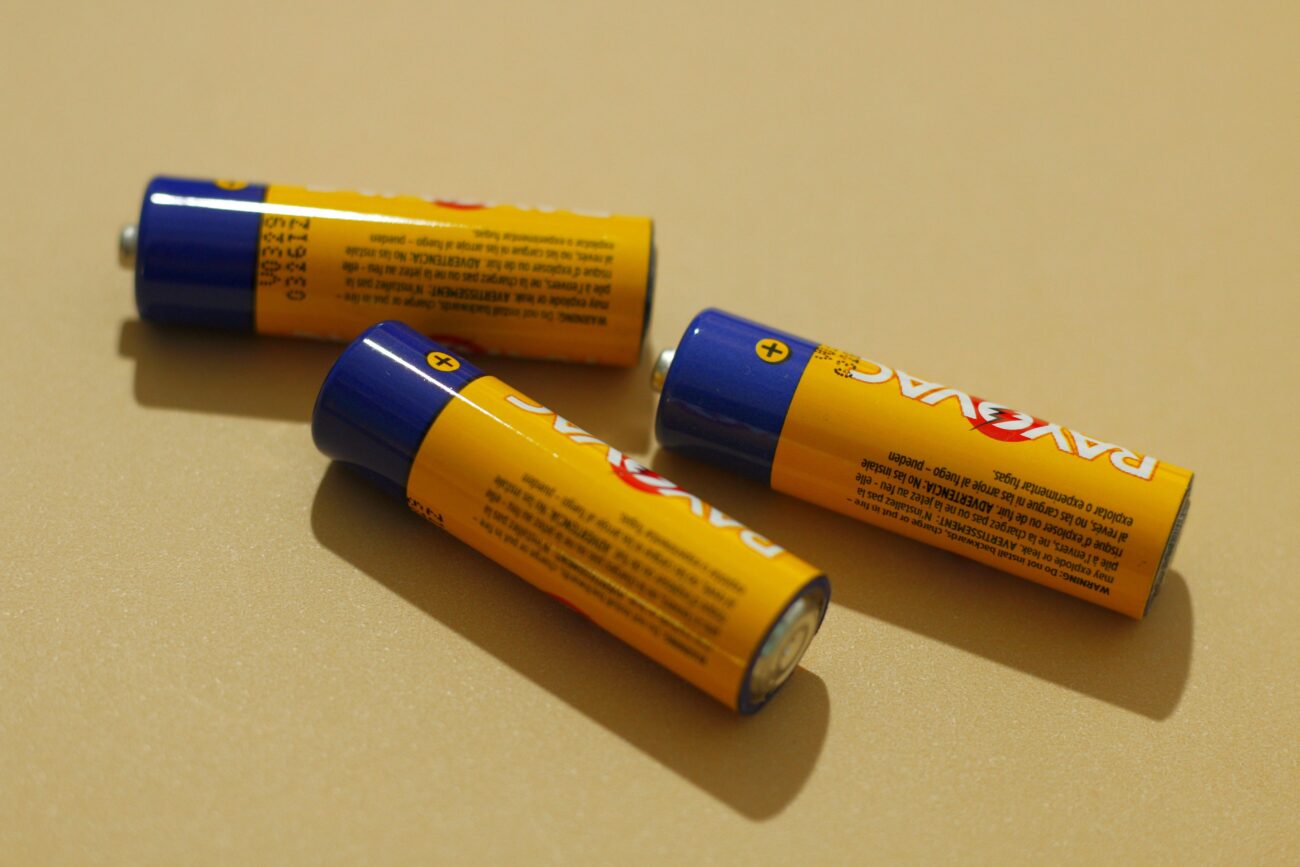
This battery safety guide covers everything you need to charge, store, and handle vape batteries the right way. Lithium-ion batteries power almost every vape device. Handled correctly, they’re safe and reliable.
Handled carelessly, they can overheat, leak, or in rare cases catch fire. This guide walks through practical, easy habits that keep you and your device safe. If your current battery is already showing signs of wear, our shop has replacement devices ready to go.
Battery Safety Guide: Why It Matters
Lithium-ion batteries store a lot of energy in a small space. That’s what makes them powerful.
It’s also why mishandling them carries real risk. The Consumer Product Safety Commission has documented hazards ranging from overheating to fire linked to lithium-ion batteries and their chargers. Most incidents are preventable with a few consistent habits.
Battery Safety Guide: Choosing the Right Battery
Always use the battery and charger that came with your device. Mismatched batteries and chargers are one of the most common causes of overheating.
Buy from a reputable retailer. Cheap, unbranded batteries often skip the safety testing that name-brand cells go through. If you’re unsure which battery fits your device, our team can help you find the right match.
Charging Your Battery Safely
Never leave a battery charging unattended. Stay nearby so you can catch any signs of trouble early.
Charge on a hard, non-flammable surface. Avoid charging on a bed, couch, or anywhere near flammable materials.
Unplug the charger as soon as charging finishes. Leaving a fully charged battery connected adds unnecessary strain over time.
Avoid charging in extreme heat or cold. Let the battery reach room temperature first if it’s been outside in the cold or heat.
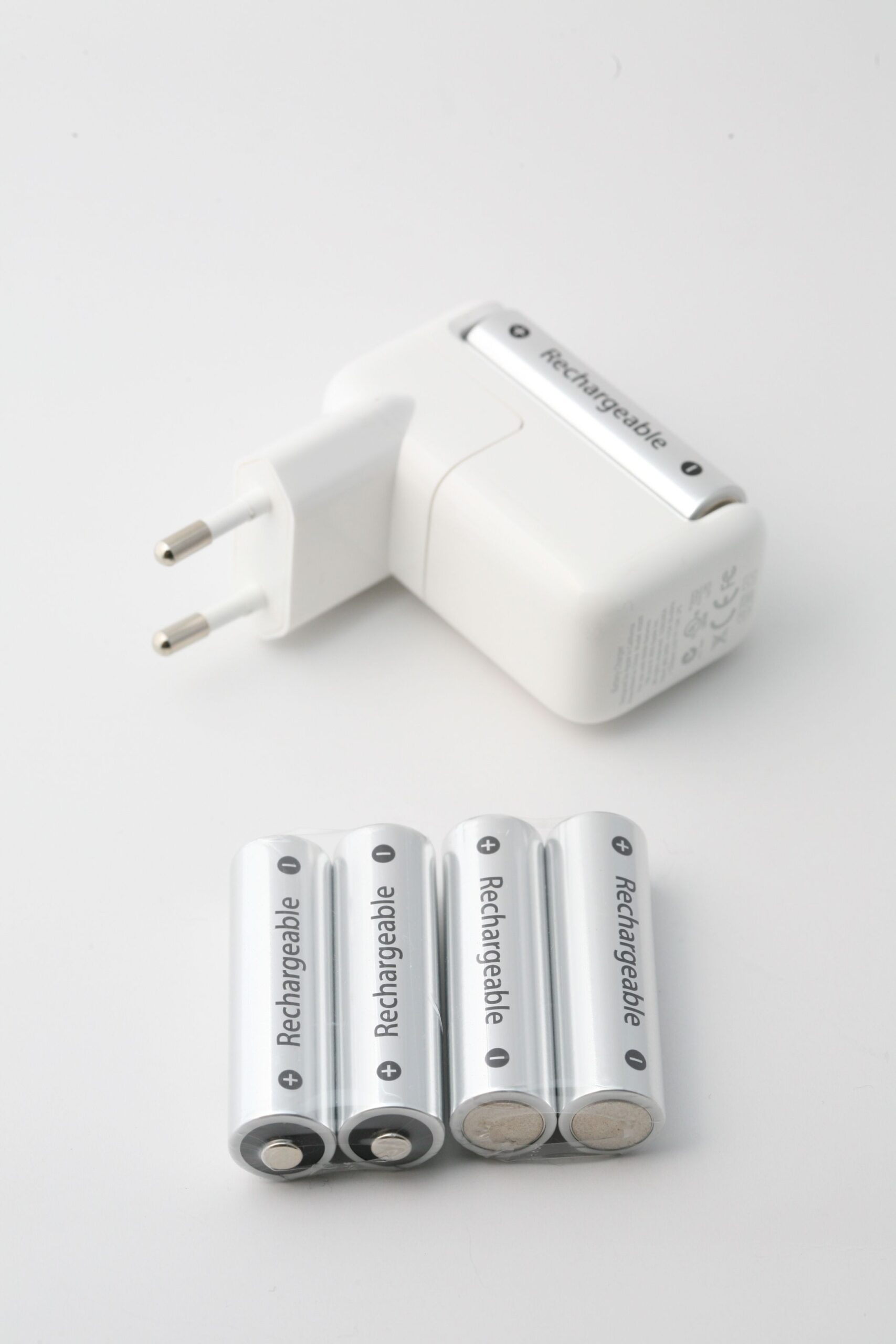
Storing Your Battery Correctly
Store batteries at room temperature, away from direct sunlight. Extreme heat is one of the fastest ways to degrade a battery.
Keep batteries away from anything flammable. A drawer or cabinet away from heaters works well.
If storing for a long period, don’t leave the battery fully charged or fully drained. A partial charge is safer for extended storage.
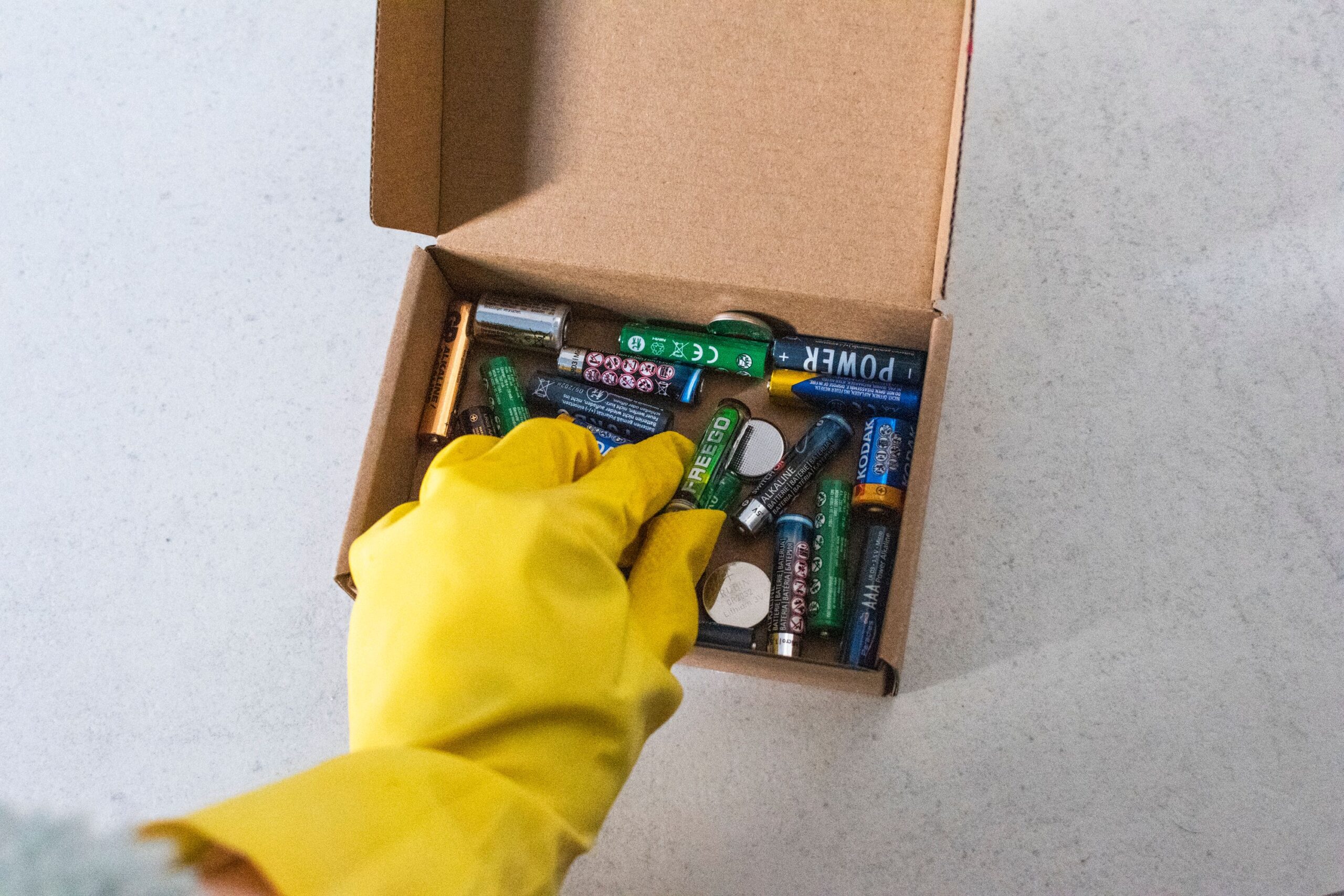
Signs of a Damaged Battery
Inspect your battery regularly for these warning signs:
- Swelling, bulging, or a warped shape
- Unusual heat, even when not in use
- A strange smell coming from the device
- Leaking or discoloration around the battery
- Difficulty holding a charge
If you notice any of these, stop using the battery immediately. Move it away from anything flammable.
What to Do If a Battery Overheats
If a battery feels unusually hot, disconnect it from the charger right away. Move it to a safe, non-flammable surface.
Never try to cool an overheating battery with water. Water doesn’t reliably stop a lithium-ion battery fire once it starts.
If the battery starts smoking or catches fire, leave the area immediately.
Battery Safety Guide: Disposal and Replacement
Never throw a lithium-ion battery in regular household trash. Damaged or discarded batteries are a known fire hazard in waste facilities.
Look for a local battery recycling or hazardous waste drop-off point instead. Many electronics retailers also accept old batteries for safe disposal.
If your battery is showing wear, it’s usually safer to replace it than keep using it. Our device collection has reliable options if yours needs retiring.
Frequently Asked Questions
How long do vape batteries usually last?
Most last one to two years with regular use, depending on charging habits and battery quality.
Is it safe to leave a vape charging overnight?
No. Charging overnight means no one is present to catch early warning signs of trouble.
Can a damaged battery still be used safely?
No. Any sign of swelling, heat, or leaking means the battery should be replaced right away.
Not sure whether your current battery needs replacing? Get in touch with our team and we’ll help you figure out the safest next step.



Leave a comment