
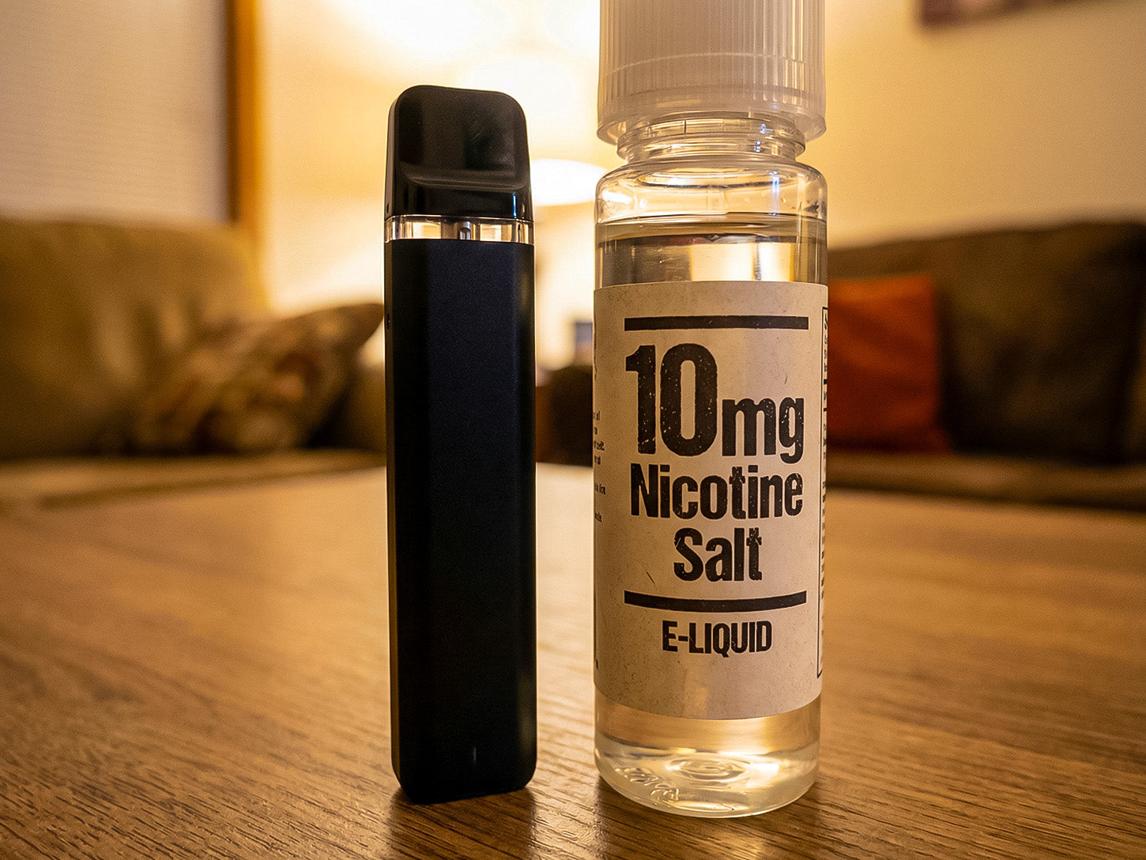
How is nicotine strength measured in vapes comes down to two formats: milligrams per milliliter and percentage. Both describe the exact same thing, just scaled differently.
This guide breaks down what these numbers actually mean and how to convert between them. In fact, once you understand the math, comparing products becomes much easier. Our shop carries a range of strengths clearly labeled in both formats.
How Is Nicotine Strength Measured in Vapes: mg/mL Explained
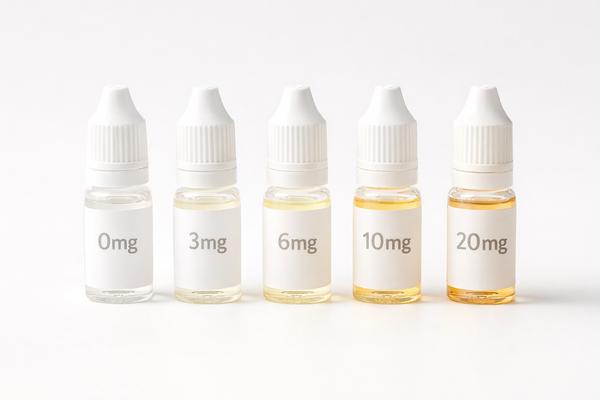
Milligrams per milliliter, written as mg/mL, measures how much nicotine sits in every milliliter of e-liquid. For example, a 20 mg/mL liquid contains 20 milligrams of nicotine per milliliter.
This format is common on freebase nicotine e-liquids. Additionally, it has traditionally been the standard labeling method across the industry.
Percentage Format Explained
Percentage strength expresses the same concentration differently, based on grams of nicotine per 100 milliliters of liquid.
To convert mg/mL to a percentage, simply divide by 10. For instance, a 20 mg/mL liquid equals 2%, while a 50 mg/mL liquid equals 5%.
To go the other direction, multiply the percentage by 10. Overall, this conversion works the same way regardless of nicotine type.
How Is Nicotine Strength Measured in Vapes for Nicotine Salts?
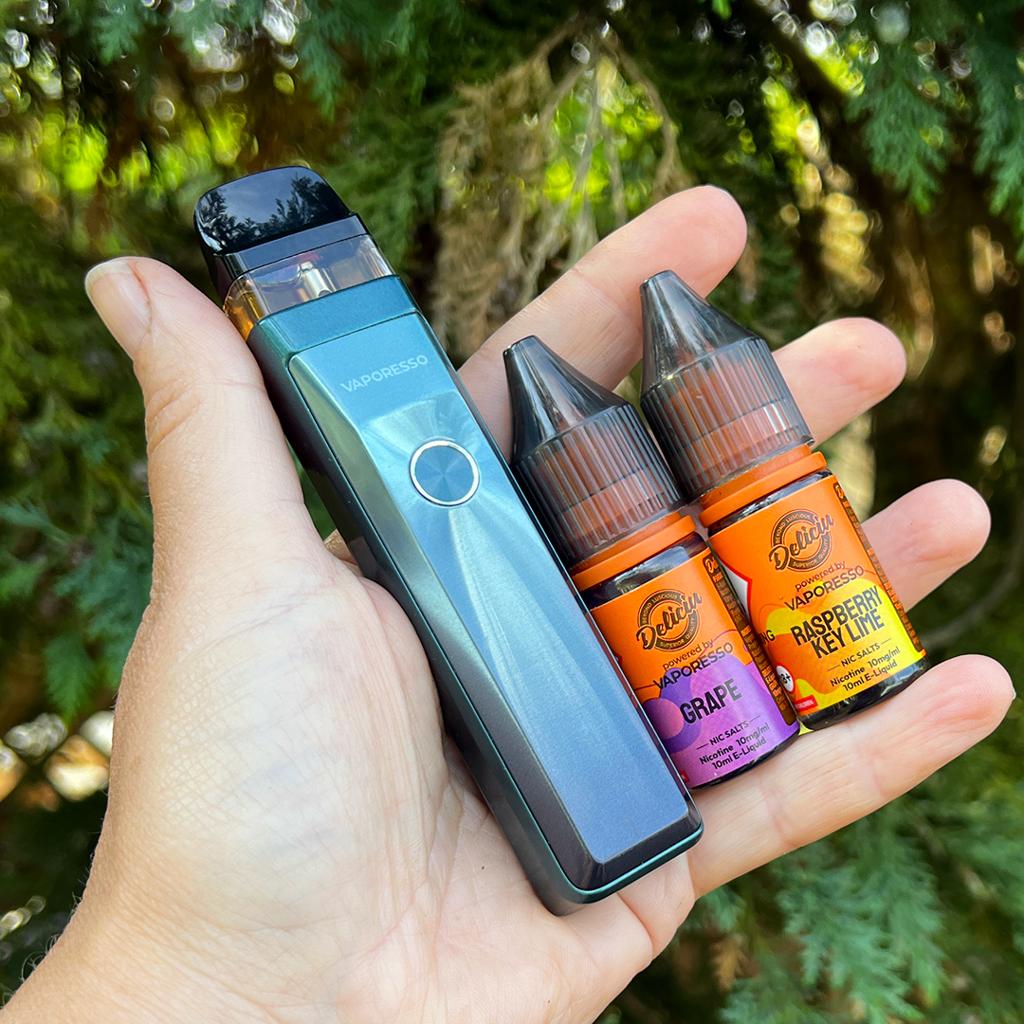
Nicotine salt e-liquids, common in disposable vapes, often use percentages rather than mg/mL on their labels.
However, the underlying math stays identical to freebase nicotine. In other words, a 5% nicotine salt liquid still equals 50 mg/mL, just expressed differently.
Percentages have become more common as nicotine salt disposables have grown in popularity, particularly at higher strengths.
Why the Two Formats Coexist
Historically, mg/mL was the standard across most e-liquid packaging. Meanwhile, percentages became more common as regulations and higher-strength salt products expanded.
Some regions also favor one format over the other in labeling conventions, which partly explains why you’ll see both used interchangeably today.
Regulatory Limits Vary by Region
The European Union’s Tobacco Products Directive caps nicotine-containing e-liquid at 20 mg/mL, equivalent to 2%, across all member states.
By contrast, the United States currently has no equivalent federal concentration cap. As a result, higher strengths, like 5%, remain more commonly available there.
Therefore, checking your region’s regulations is worth doing if you’re purchasing internationally or making your own e-liquid.
How Is Nicotine Strength Measured in Vapes: A Quick Conversion Reference
Use this simple reference to move between formats:
- 10 mg/mL equals 1%
- 20 mg/mL equals 2%
- 30 mg/mL equals 3%
- 50 mg/mL equals 5%
- Formula: mg/mL ÷ 10 = percentage, and percentage × 10 = mg/mL
What the Number Doesn’t Tell You
A concentration number describes the liquid itself, not how much nicotine you personally absorb per puff.
Instead, device type, puff duration, and your own habits all affect actual nicotine intake, regardless of the labeled strength.
Frequently Asked Questions
Is 5% the same as 50 mg/mL?
Yes. They represent the exact same nicotine concentration, just expressed in different units.
Does the conversion formula work the same for all e-liquid types?
Yes. The mg/mL to percentage conversion applies equally to freebase nicotine and nicotine salts.
Why do some countries cap nicotine strength at 20 mg/mL?
Regulations like the EU‘s Tobacco Products Directive set this as a maximum concentration for consumer e-liquid products.
So, if you’re still unsure how a specific strength compares to what you’re used to, get in touch with our team and we’ll help you figure it out.




Leave a comment