


Here’s what happens inside a vape when you puff, step by step, from button to breath. The whole process takes less than a second. Understanding it helps explain why certain habits matter for performance and safety.
This guide breaks down each stage, from battery activation to the final inhale. If you’re curious how your specific device compares, our shop has a range of options to explore.
What Happens Inside a Vape When You Puff: The First Signal
Most modern vapes are draw-activated. Inhaling through the mouthpiece creates a small drop in air pressure inside the device.
A sensor detects that pressure change instantly. This tells the device to send power from the battery to the coil.
Some devices use a manual fire button instead. Either way, the result is the same: power starts flowing.
The Battery Sends Power to the Coil
The battery is a small lithium-ion cell hence it stores electrical energy and releases it on demand.
Once triggered, the battery sends current through a thin metal wire called the coil. This is where the real transformation begins.
The Coil Heats the E-Liquid
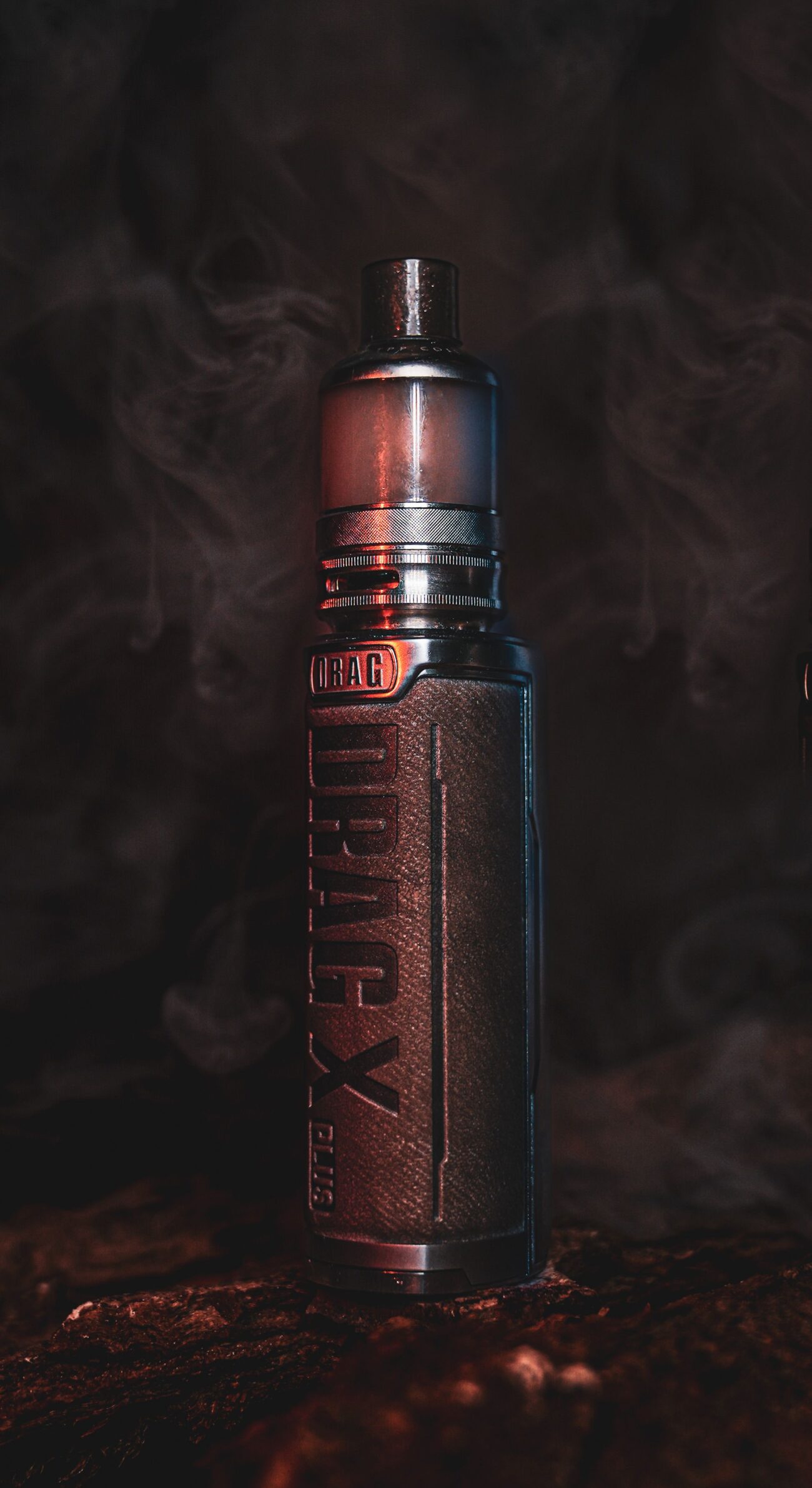
The coil’s resistance converts electrical energy into heat almost instantly hence temperatures at the coil typically reach between 315°F and 510°F.
Surrounding the coil is a wicking material, usually cotton, saturated with e-liquid. The heat from the coil vaporizes the liquid held in that wick.
This process is called atomization. No burning occurs, only vaporization of the liquid into tiny droplets.
How the Aerosol Forms
The vaporized liquid instantly cools and condenses into a fine mist. This mist is technically known as an aerosol, not a true vapor.
The FDA describes this aerosol as containing nicotine, flavorings, and other ingredients like propylene glycol and vegetable glycerin. These ingredients form the base of most e-liquids.
Airflow Carries the Aerosol to You
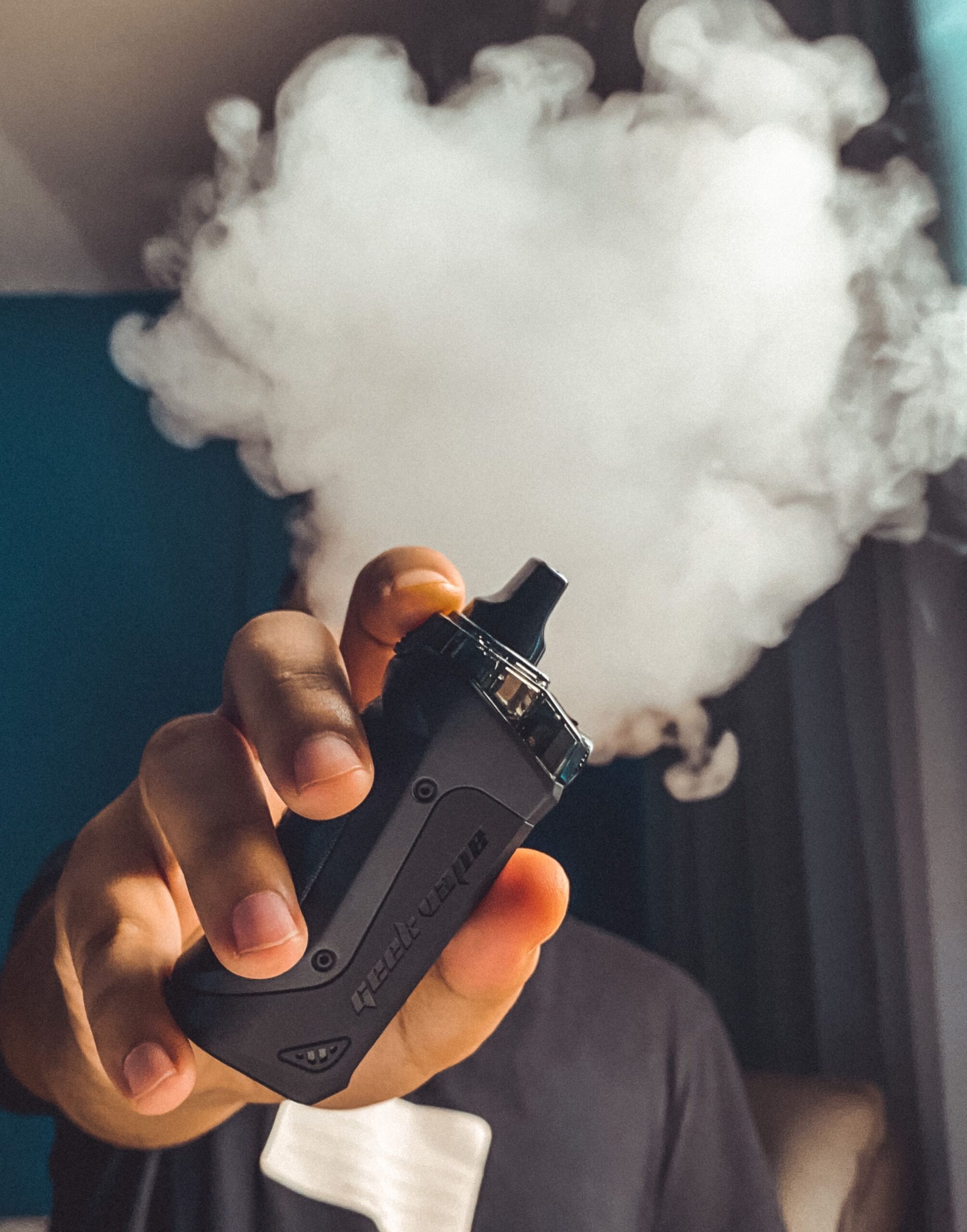
As you inhale, air is pulled through small intake holes in the device. This air flows directly over the heated coil.
The moving air picks up the freshly formed aerosol and carries it toward the mouthpiece. More airflow generally produces bigger, cooler clouds.
Restricted airflow creates a warmer, more concentrated hit. This is one reason different devices feel so different to use.
What Happens Inside a Vape When You Puff: Wicking and Refill
As the wick releases its liquid into the coil, it doesn’t stay dry for long. Capillary action pulls fresh liquid from the reservoir.
This keeps the wick saturated between puffs. Without enough liquid reaching the coil, the wick can scorch and produce a burnt taste.
Why the Battery and Coil Matter So Much
The coil’s resistance, measured in ohms, determines how much power is needed to heat it hence lower resistance coils generally produce more vapor.
Battery capacity, measured in milliamp-hours, determines how many puffs you get per charge. Higher capacity usually means a larger and heavier device.
What Happens Inside a Vape When You Puff Too Fast
Puffing too quickly in succession doesn’t give the wick time to reabsorb liquid. This can lead to a dry, burnt-tasting hit.
Giving the coil a short pause between puffs helps the wick keep up. This small habit noticeably improves flavor and vapor consistency.
Frequently Asked Questions
Why does my coil eventually stop working well?
Coils wear out from repeated heating cycles and residue buildup, which is why they need periodic replacement.
Does puff duration affect the process?
Yes. Longer puffs expose the coil to more airflow, which can change both vapor density and flavor.
Curious which coil or device setup fits how you vape? Get in touch with our team and we’ll help you find the right match.

Leave a comment